
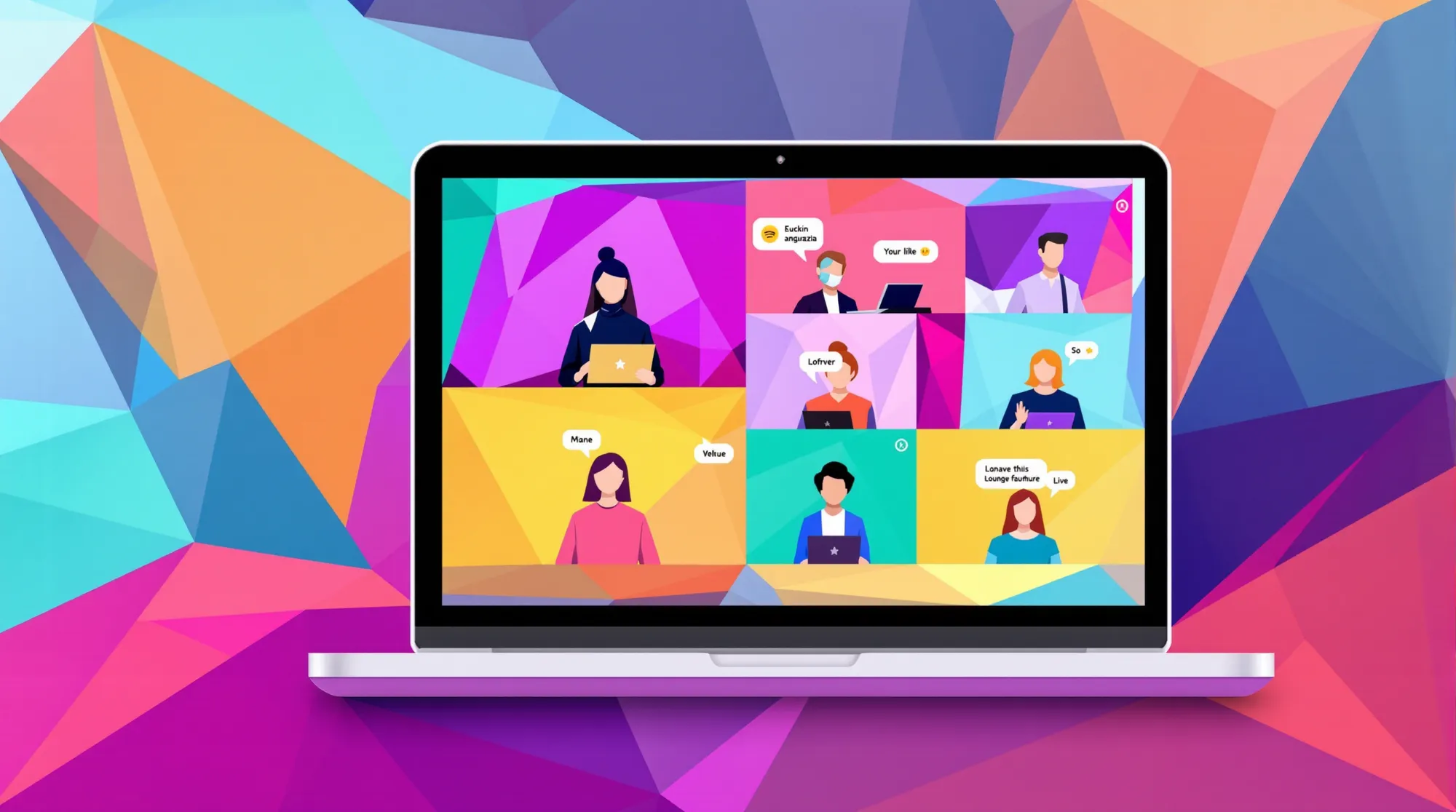
Lingoda has built its reputation on something most language apps avoid entirely: putting you in a live video class with a real, certified teacher. No gamified streaks, no AI chatbot — just you, a Zoom-style room, and a human who will correct your grammar in real time.
In 2026, with AI tutors hitting near-human conversation quality and 1-on-1 marketplaces like italki offering teachers for $8/hour, is Lingoda still worth the premium? I spent six weeks testing Lingoda across two languages (German and Spanish) — group classes, private classes, and a half-completed Sprint. Here's the honest version.
📚 What Is Lingoda? How the Platform Works
Lingoda is a Berlin-based online language school that runs live group and private video classes taught by certified teachers. There are no recorded lessons, no AI bots, no async homework grading — every class is a real teacher with real students on a video call.
The platform covers five languages: English, Business English, German, French, and Spanish. Classes are CEFR-aligned (A1 through C1), and the curriculum is structured around fixed materials each teacher works from. That last detail matters more than it sounds — it's what separates Lingoda from a 1-on-1 marketplace like italki, where every teacher has their own approach.
You pick from two formats:
- Group classes — up to 5 students, 60 minutes, follow a fixed lesson plan
- Private classes — 1-on-1, 60 minutes, more flexible but significantly more expensive
Classes run 24/7, so you can find a 6 AM slot before work or an 11 PM slot after the kids are asleep. This is genuinely useful if your schedule is unpredictable.
💰 How Much Does Lingoda Cost in 2026?
This is where it gets uncomfortable. Lingoda is expensive compared to almost everything else in the language-learning space.
Prices vary by language and current promotions, but the floor is roughly $10/class for group, $25–30/class for 1-on-1. To make meaningful progress (say, 12 group classes a month for a year), you're looking at ~$1,800 annually.
For comparison: a Duolingo Super subscription is ~$84/year. An AI tutor like Univext is a fraction of Lingoda's price. A private teacher on italki ranges from $8–25/hour depending on who you book.
Important
Lingoda is a premium product priced like one. If your budget is tight, this is not the platform for you. If you can comfortably spend $150+/month on language learning and you specifically want live human teachers, keep reading.
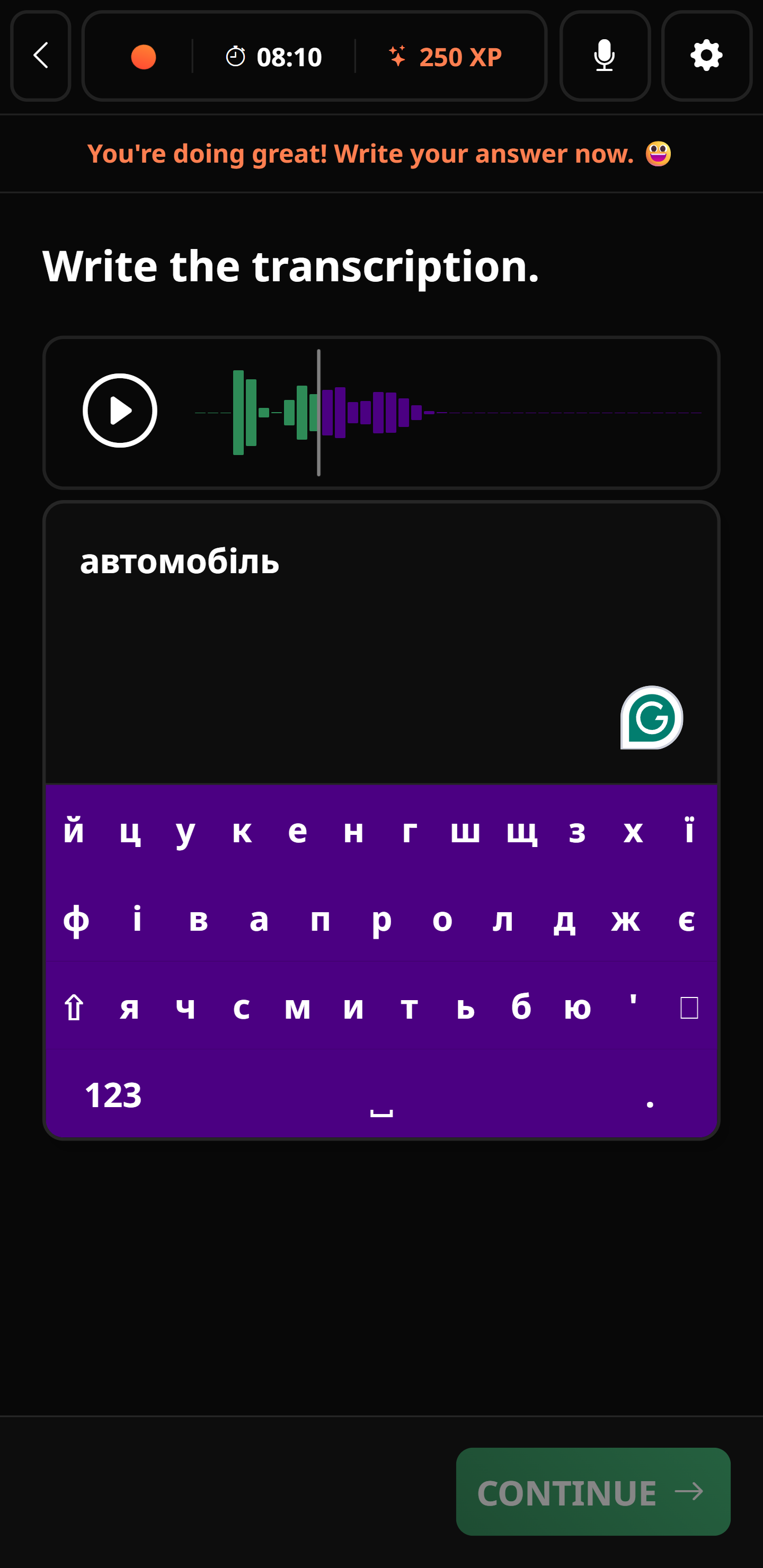
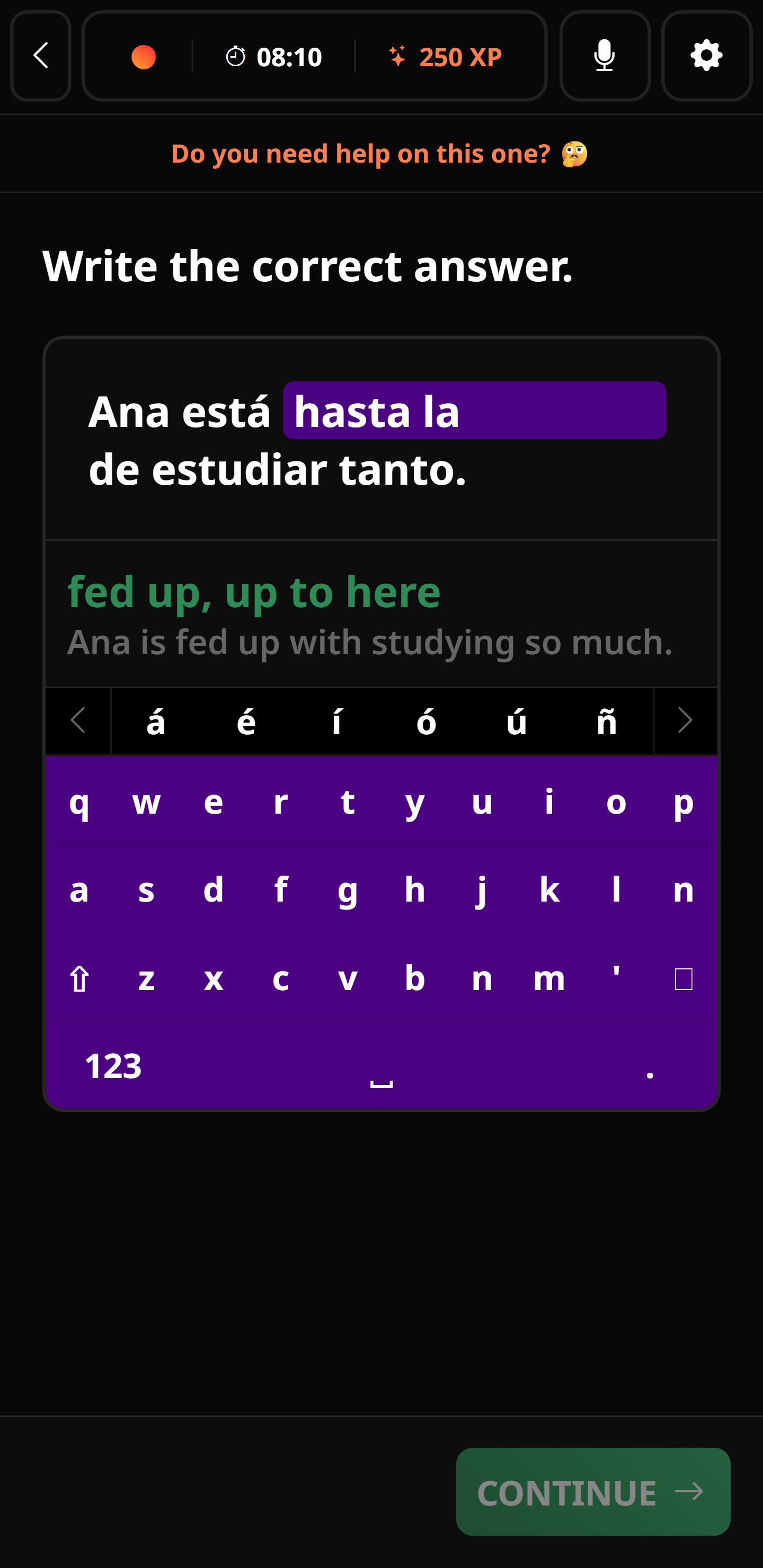
Become bilingual in 30 days with Univext!
Start a lesson with our teacher for free and become bilingual like our 100,000 students!
🏃 The Sprint Program: Big Promise, Strict Rules
Lingoda's most marketed offering is the Sprint — a structured 1-month or 2-month program where you commit to a fixed number of classes (15, 30, or 60 depending on the variant) and Lingoda promises a partial or full money-back refund if you complete the program on schedule.
It sounds great. But the fine print is brutal:
- You must attend every single class on schedule. Miss one — even due to illness or work — and you lose the refund.
- You must reschedule cancellations within tight windows (typically 7 days before class for full credit).
- The "money back" is often credit toward future classes, not actual cash back. Read the variant carefully.
- Group Sprint requires booking specific time slots well in advance; popular times fill up fast.
The Sprint is a fantastic deal if you can actually complete it. Lingoda's internal data (referenced in older marketing) suggests something like half of Sprint participants don't qualify for the full refund. In other words: the business model partly depends on you slipping up.
Notes
I started the German Sprint with the best intentions and missed a class in week 3 due to a work meeting that ran over. Refund: gone. The Sprint is a forcing function for consistency, not a discount strategy.



Join more than 100,000 students learning on Univext
✅ What Lingoda Does Well
1. Real certified teachers, not bots or hobbyists. Every Lingoda teacher is a credentialed language professional. I had teachers from Spain, Mexico, Germany, and Austria — all native speakers, all visibly experienced. The difference between a credentialed teacher and a "friendly native speaker" on a 1-on-1 marketplace is real, especially for grammar-heavy languages like German.
2. CEFR-aligned, consistent curriculum. Because every teacher follows the same lesson materials, you can switch teachers mid-level without re-explaining where you are. The progression is structured (A1.1 → A1.2 → A2.1 → ...) and Lingoda issues a CEFR-aligned certificate when you complete a level. This is genuinely useful if you need proof of language ability for a visa, university, or job.
3. Small group dynamic actually works. Group classes cap at 5 students, and in practice I usually had 2–4 classmates. That's enough to hear different accents and learn from others' mistakes, but small enough that everyone speaks. Larger group classes (10+) at competitor schools fail at this — people hide.
4. 24/7 availability fits real schedules. Lingoda runs classes around the clock. I had an early-morning slot at 6:30 AM CET that worked for me; a friend in California books 9 PM PT slots after her kids go down. This is the platform's strongest practical advantage over physical schools like Berlitz or Wall Street English.
❌ Where Lingoda Falls Short
1. The price-to-progress ratio is harsh. After six weeks of Lingoda German (12 group classes), I felt I'd made real progress — but at roughly $150 for that progress, the math is uncomfortable. Twelve hours of practice can be replicated with cheaper tools. The premium you pay is for the teacher, the structure, and the certificate — not for raw speaking time.
2. Group classes are only as good as your classmates. With 5-person caps, one underprepared student can drag a class. I had one Spanish class where a beginner kept asking the teacher to translate basic words, and we lost 20 minutes of speaking time. Lingoda's structure assumes everyone is at the booked level — that's not always true.
3. Booking friction is real. Popular time slots fill up days or weeks in advance. If you're on the Sprint program and need a specific 7 PM slot every Tuesday, you'd better book a month out. The platform's calendar is functional but not particularly forgiving of last-minute schedule changes.
4. Limited language coverage. Five languages (English, Business English, German, French, Spanish) is a narrow lineup. If you want to learn Italian, Portuguese, Russian, Polish, Ukrainian, or anything Asian, Lingoda has nothing for you. Most competitor platforms cover 10–40+ languages.
5. Refund clawback rules feel punitive. The Sprint money-back guarantee sounds generous until you read what disqualifies you. Miss a class for a fever? No refund. Family emergency? No refund (in most cases). The structure pushes you to attend even when you shouldn't, which can backfire.
6. No real outside-class practice. Lingoda gives you 60 minutes of live class, then sends you off. There's no AI tutor for between-class drilling, no spaced-repetition flashcard system, no conversation simulator. You're expected to find practice elsewhere — which means another subscription on top of Lingoda's already high fee.
Become bilingual in 30 days with Univext!
Start a lesson with our teacher for free and become bilingual like our 100,000 students!
📊 Lingoda vs Other Language Learning Options
Here's how Lingoda compares to the main alternatives in 2026:
Notes
italki and Preply are cheaper if you find the right teacher, but quality varies wildly. Lingoda's main edge is consistency — every class follows the same plan, every teacher is credentialed.
🤖 The AI Tutor Alternative: When It Actually Wins
Lingoda's core promise — live, certified teachers — is real and valuable. But the frequency problem undermines it. One or two 60-minute classes a week is not enough to build conversational fluency. Most language research suggests you need daily exposure to move levels.
Lingoda assumes you'll get that daily exposure elsewhere. That "elsewhere" is increasingly an AI tutor.
With an AI tutor like Univext's Umi, you get:
- Unlimited daily conversation practice — no booking, no scheduling, no waiting for a teacher to be available
- Instant pronunciation feedback — the AI hears every syllable and corrects you
- Adaptive difficulty — the lessons adjust to your actual level, not a fixed curriculum
- All four skills in every session — listening, speaking, reading, writing
- 9 languages vs. Lingoda's 5
For most learners, the smart play is: AI tutor daily for volume, plus occasional Lingoda classes (or 1-on-1 sessions on italki) when you specifically want a human to correct subtle grammar errors. The two approaches solve different problems.
Important
Try Univext free for 14 days — 30 minutes per day of real AI conversation practice in French, Spanish, Italian, German, Russian, Polish, Portuguese, Ukrainian, or English. No booking, no scheduling. Just open the app and talk.
Join more than 100,000 students learning on Univext
🎯 Who Should (and Shouldn't) Use Lingoda
Lingoda is good for you if:
- You specifically want certified, credentialed teachers (not hobbyists)
- You need a CEFR-aligned certificate for visa, university, or work purposes
- You're learning English, Business English, German, French, or Spanish (the five supported languages)
- Your budget comfortably handles $150+/month for language learning
- You thrive in small group settings and want to hear other learners
- You have a predictable schedule and can book classes in advance
Lingoda is NOT good for you if:
- You want to learn a language outside the five Lingoda offers
- Your budget is under $100/month for language learning
- You need daily practice (Lingoda only gives you scheduled classes)
- You hate the pressure of fixed scheduling and refund clawback rules
- You're a beginner who needs lots of pre-class study tools (Lingoda gives you the class, not the prep system)
- You prefer flexible, self-paced learning
Become bilingual in 30 days with Univext!
Start a lesson with our teacher for free and become bilingual like our 100,000 students!
🏆 The Verdict: Is Lingoda Worth It in 2026?
Short answer: Yes, but only for a specific kind of learner.
If you're a working professional who wants certified teachers, a CEFR certificate, and a structured curriculum — and you have the budget — Lingoda delivers on its promise. The teachers are real professionals, the small group format works, and the 24/7 scheduling solves a real problem. The Sprint program, despite its punitive refund rules, does force the consistency most learners lack.
But for most people in 2026, Lingoda is overkill or under-frequent. You'll pay $150+ a month for 12 hours of class — and 12 hours a month is nowhere near enough to actually become fluent. The platform makes the most sense as a complement to daily practice elsewhere, not as your entire language-learning strategy.
If your goal is to actually speak a language in 12 months, you'll get further by combining a cheap, high-frequency AI tutor for daily practice with occasional live human classes (Lingoda, italki, or a tutor in your city) for grammar correction and accountability. That hybrid is cheaper, more flexible, and gets you more total speaking time.
Lingoda alone? Real, polished, well-run — and probably not the best value for your money.
🔗 Looking for Better Alternatives?
If Lingoda isn't the right fit, check out our tested rankings for the best language learning apps:
- Best Apps to Learn French in 2026
- Best Apps to Learn Spanish in 2026
- Best Apps to Learn Italian in 2026
- Best Apps to Learn German in 2026
- Best Apps to Learn Russian in 2026
- Best Apps to Learn Portuguese in 2026
- Best Apps to Learn Polish in 2026
- Best Apps to Learn Ukrainian in 2026
- Best Apps to Learn English in 2026
Or compare Lingoda directly with other live-teacher platforms: