🔍 The Short Answer
Yes, Babbel is a solid app — but it depends on what you need. If you want structured grammar lessons and vocabulary drills, Babbel delivers. If you want to actually speak a language and have real conversations, it falls short. I'll explain why.
I spent 3 months using Babbel across Spanish and French, tracked my progress, and compared it honestly against other tools I've tested. Here's the full breakdown.
📋 What Is Babbel?
Babbel is a subscription-based language learning app launched in 2007. It offers courses in 14 languages through bite-sized lessons (10-15 minutes each) focused on grammar, vocabulary, and reading comprehension.
Unlike gamified apps like Duolingo, Babbel takes a more traditional, structured approach. Lessons follow a curriculum designed by linguists, and the content is organized by topic (travel, work, daily life) and difficulty level.
Languages available: Spanish, French, German, Italian, Portuguese, Russian, Polish, Turkish, Dutch, Swedish, Norwegian, Danish, Indonesian, English.
Become bilingual in 30 days with Univext!
Start a lesson with our teacher for free and become bilingual like our 100,000 students!
✅ What Babbel Does Well
Let's be fair — Babbel has genuine strengths that millions of users appreciate:
Grammar Explanations
This is where Babbel genuinely shines. Unlike Duolingo, which throws grammar at you and hopes you figure it out, Babbel actually explains rules. You get clear breakdowns of verb conjugations, sentence structure, and cases. For grammar-focused learners, this matters.
Structured Curriculum
Lessons build on each other logically. You won't jump randomly between topics. Babbel's curriculum feels like an actual course, not a grab bag of exercises.
Speech Recognition
Babbel includes a basic speech recognition feature that checks your pronunciation. It's not perfect, but it's better than nothing — you at least get some feedback on whether you're in the right ballpark.
Offline Mode
You can download lessons and practice without an internet connection. Handy for commutes or travel.




Join more than 100,000 students learning on Univext
❌ Where Babbel Falls Short
Here's where things get real. After 3 months of consistent use, these are the problems I couldn't ignore:
No Conversation Practice
This is the biggest gap. Babbel teaches you about a language — vocabulary, grammar rules, fill-in-the-blank exercises — but it never asks you to actually use it in conversation. There's no speaking partner, no dialogue practice, no back-and-forth.
You can memorize 500 words and still freeze when someone asks you a question in real life. Babbel doesn't solve that problem.
Important
If your goal is to speak a language — not just read and write it — Babbel alone won't get you there. You need conversation practice, and Babbel doesn't offer it.
Repetitive Exercise Format
After a few weeks, every lesson feels the same: read a dialogue, match vocabulary, fill in the blanks, repeat. The format rarely changes. There are no creative exercises, no open-ended questions, no surprises. It gets boring.
Limited Feedback
The speech recognition gives you a green checkmark or a red X. That's it. It doesn't tell you what you got wrong, how to fix your accent, or which sounds you're mispronouncing. For serious pronunciation work, you need more than a pass/fail system.
No Adaptive Learning
Babbel follows a fixed curriculum. If you already know basic vocabulary but struggle with verb conjugations, too bad — you still go through the beginner vocabulary lessons first. The app doesn't adapt to your actual skill level the way AI-powered tools can.
Pricing
Babbel costs $14.95/month (or $6.95/month if you commit to 12 months upfront). For what you get — essentially a digital textbook with audio — that's not cheap. Especially when free alternatives exist for the grammar/vocabulary portion.
📊 Babbel vs The Competition
Here's how Babbel stacks up against the most popular alternatives in 2026:
Notes
Duolingo offers more languages and a free tier, but shares Babbel's core weakness: no real conversation practice. If you want to learn by actually speaking, neither traditional app delivers.
Become bilingual in 30 days with Univext!
Start a lesson with our teacher for free and become bilingual like our 100,000 students!
🤖 The AI Alternative Worth Considering
The reason Babbel feels dated in 2026 isn't because it's bad — it's because the bar has moved. AI language tutors now offer something Babbel simply can't: real-time, adaptive conversation.
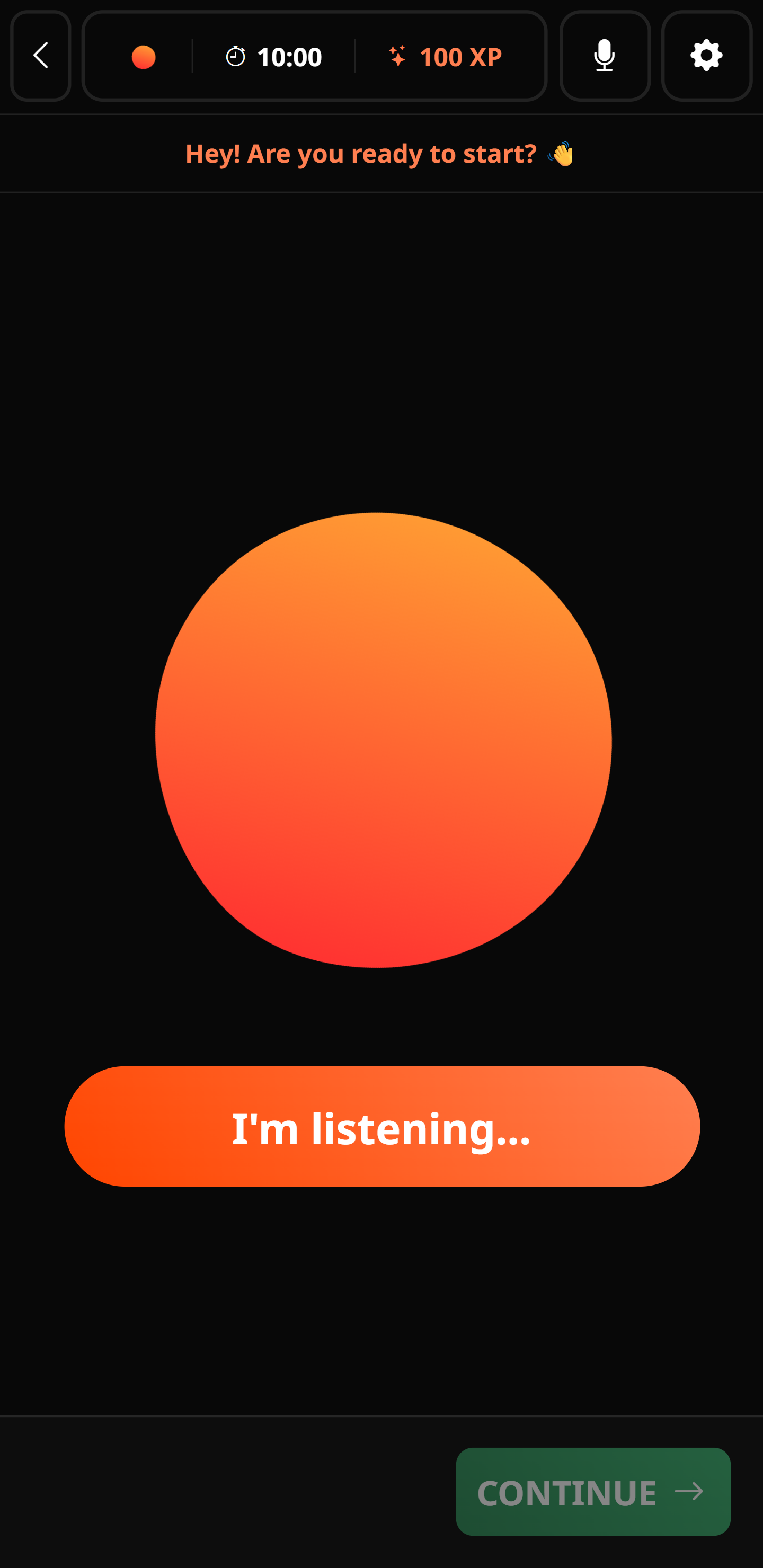
Univext takes a fundamentally different approach. Instead of pre-scripted lessons, you learn by talking to Umi — an AI teacher that listens, responds, corrects your mistakes in real time, and adapts to your level automatically.
What makes this different from Babbel:
- You actually speak. Every session is a conversation, not a fill-in-the-blank exercise. Umi talks to you, asks you questions, and waits for your answer.
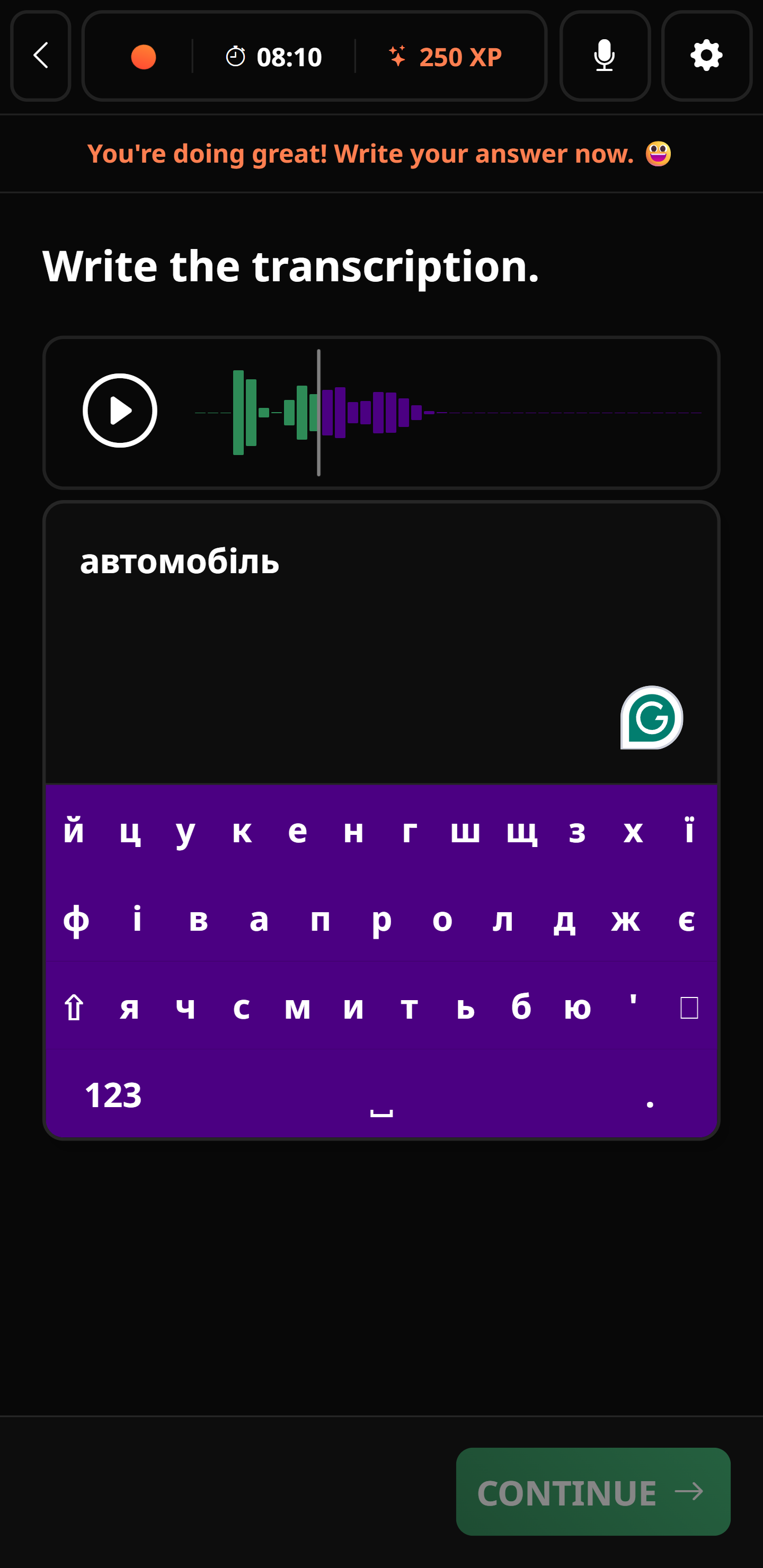
- Mistakes get corrected instantly. Not a red X — an actual explanation of what went wrong and how to say it correctly.
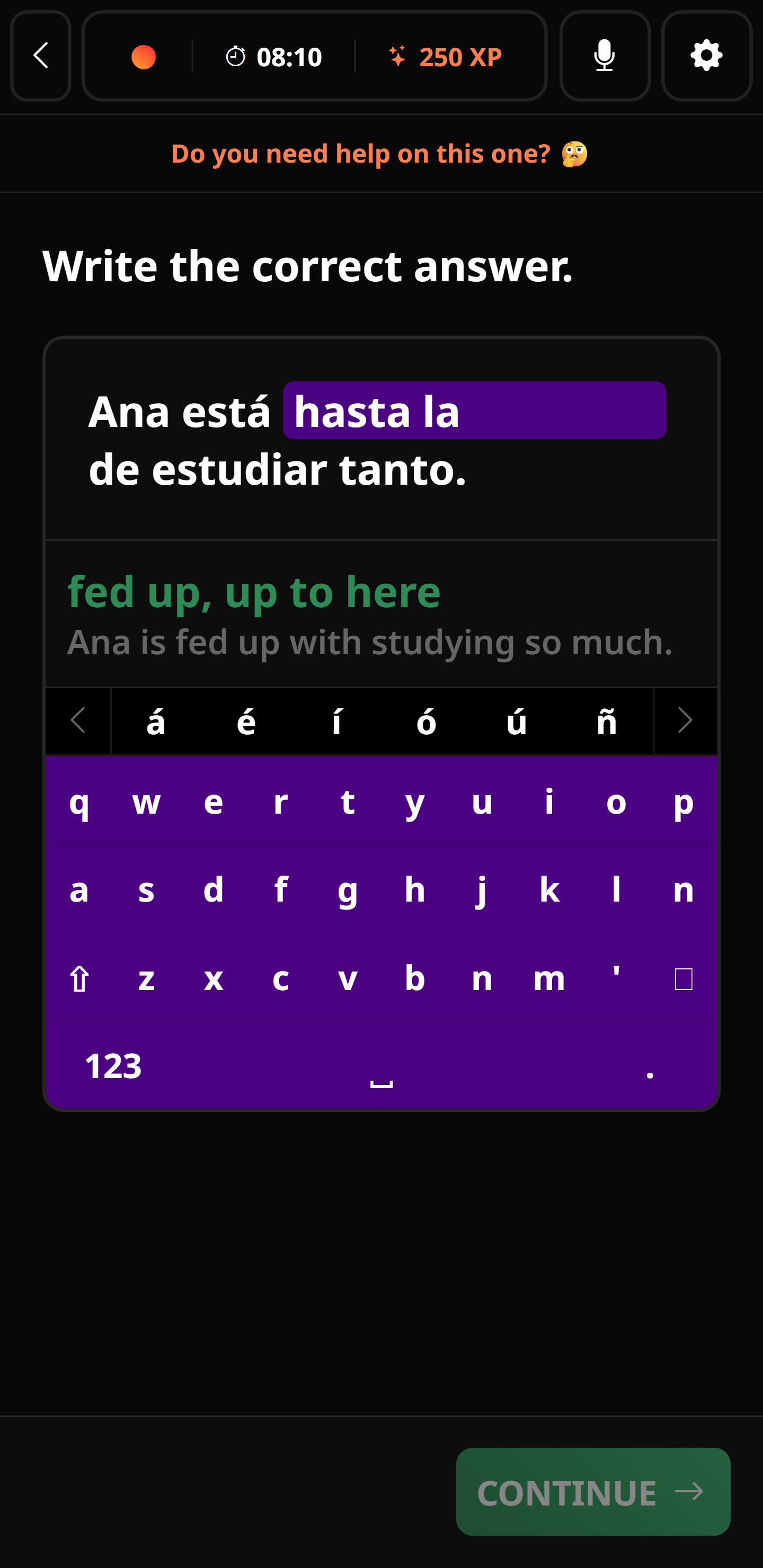
- It adapts to you. Struggling with past tense? Umi will focus on that. Already comfortable with basic vocab? It'll skip ahead.
- 14-day free trial, 30 minutes per day. Enough time to have real conversations and see actual progress.
If you've been using Babbel and feel like you're learning about a language rather than learning to speak it, this is worth trying.
💰 Is Babbel Worth the Money?
It depends on your goals:
Babbel IS worth it if you:
- Want structured grammar lessons with clear explanations
- Prefer a traditional, textbook-style learning approach
- Need offline access for learning on the go
- Are a beginner who wants a guided curriculum
Babbel is NOT worth it if you:
- Want to learn to speak and have conversations
- Need personalized feedback beyond pass/fail
- Get bored with repetitive exercise formats
- Already have intermediate knowledge and need adaptive content
For most learners in 2026, the honest answer is: Babbel is a decent starting point, but it's not enough on its own. You'll learn vocabulary and grammar rules, but you won't learn to speak. And speaking is the whole point of learning a language.
Important
Try Univext's 14-day free trial and have a real conversation with AI teacher Umi. If Babbel isn't getting you to speak, this will: Start your free trial →
Join more than 100,000 students learning on Univext
🏆 The Bottom Line
Babbel built its reputation on solid grammar instruction, and that still holds up. But language learning has evolved. In 2026, AI tutors can do everything Babbel does — teach grammar, build vocabulary, explain rules — while also giving you the one thing Babbel can't: actual speaking practice with real-time feedback.
If you're choosing between Babbel and nothing, get Babbel. If you're choosing between Babbel and an AI tutor that makes you speak from day one, the choice is clear.
Related reads: