

Pimsleur has been around since the 1960s, and its audio-based method is one of the most recognized names in language learning. But in 2026, with AI tutors, conversation-based apps, and dozens of cheaper alternatives, is the Pimsleur method still worth your money?
I spent two months testing Pimsleur across three languages (French, Spanish, and Italian) to give you an honest, no-fluff review. Here's exactly what I found.
🎧 What Is Pimsleur? How the Method Works
Pimsleur is an audio-first language learning program built on the work of linguist Dr. Paul Pimsleur. The core idea is spaced repetition through listening and speaking — you hear a phrase, repeat it, and the program revisits it at carefully timed intervals to lock it into long-term memory.
Each lesson is exactly 30 minutes long. You listen, repeat, and respond to prompts. There's no reading, no writing, no grammar explanations — just pure audio drill.
The Pimsleur app (owned by Simon & Schuster) now offers a digital subscription alongside the classic CD/download format. The subscription includes all levels for all available languages.
Languages available: Pimsleur offers 51 languages, from major ones like Spanish, French, German, and Italian to less common options like Dari, Ojibwe, and Haitian Creole. That's genuinely impressive breadth.
💰 How Much Does Pimsleur Cost in 2026?
This is where Pimsleur gets complicated. There are multiple pricing structures:
The subscription is the better deal if you want to explore multiple languages. But if you only need one language, you could end up paying $450+ for all three levels — and that's just to reach intermediate proficiency.
Important
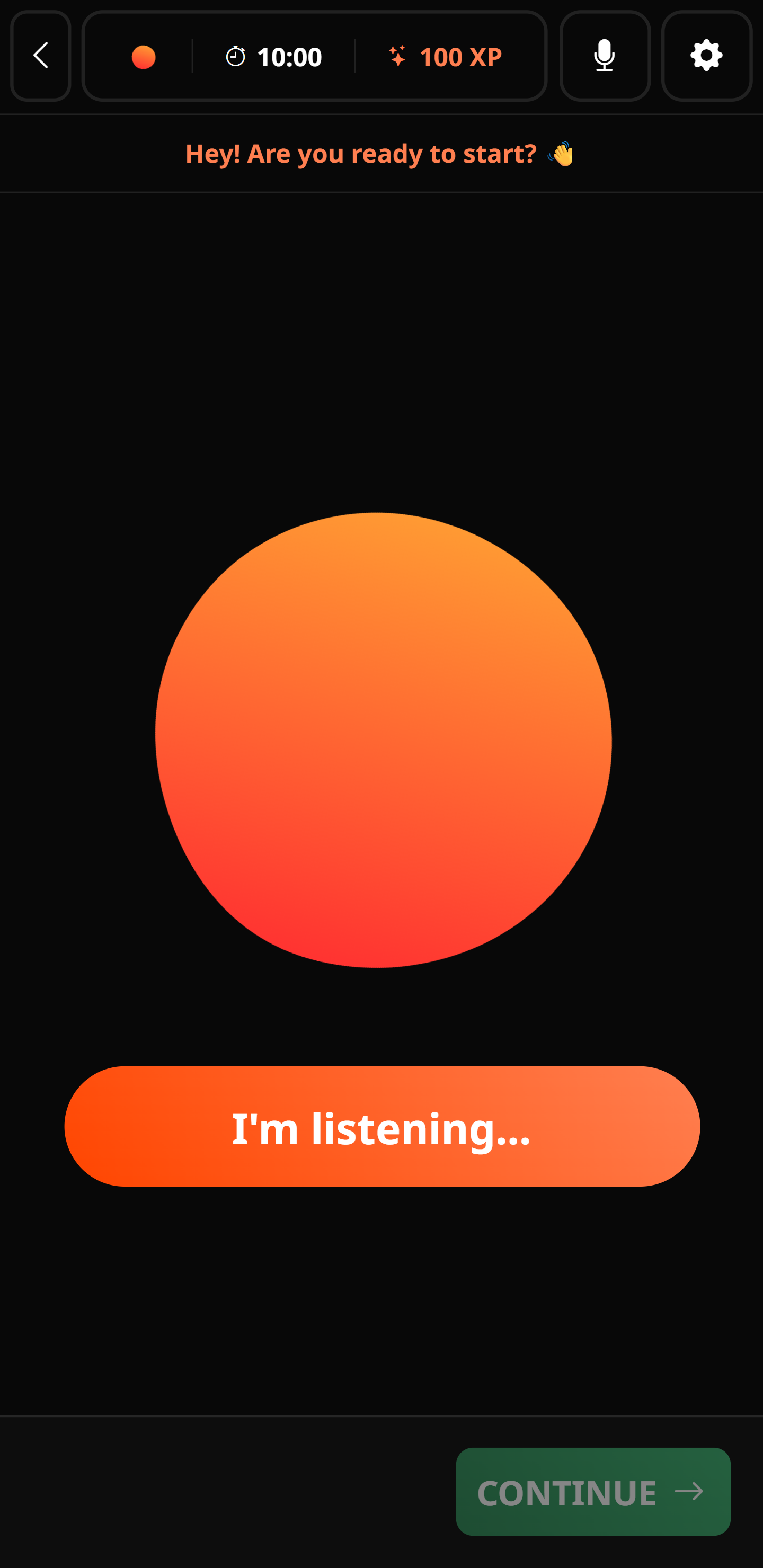
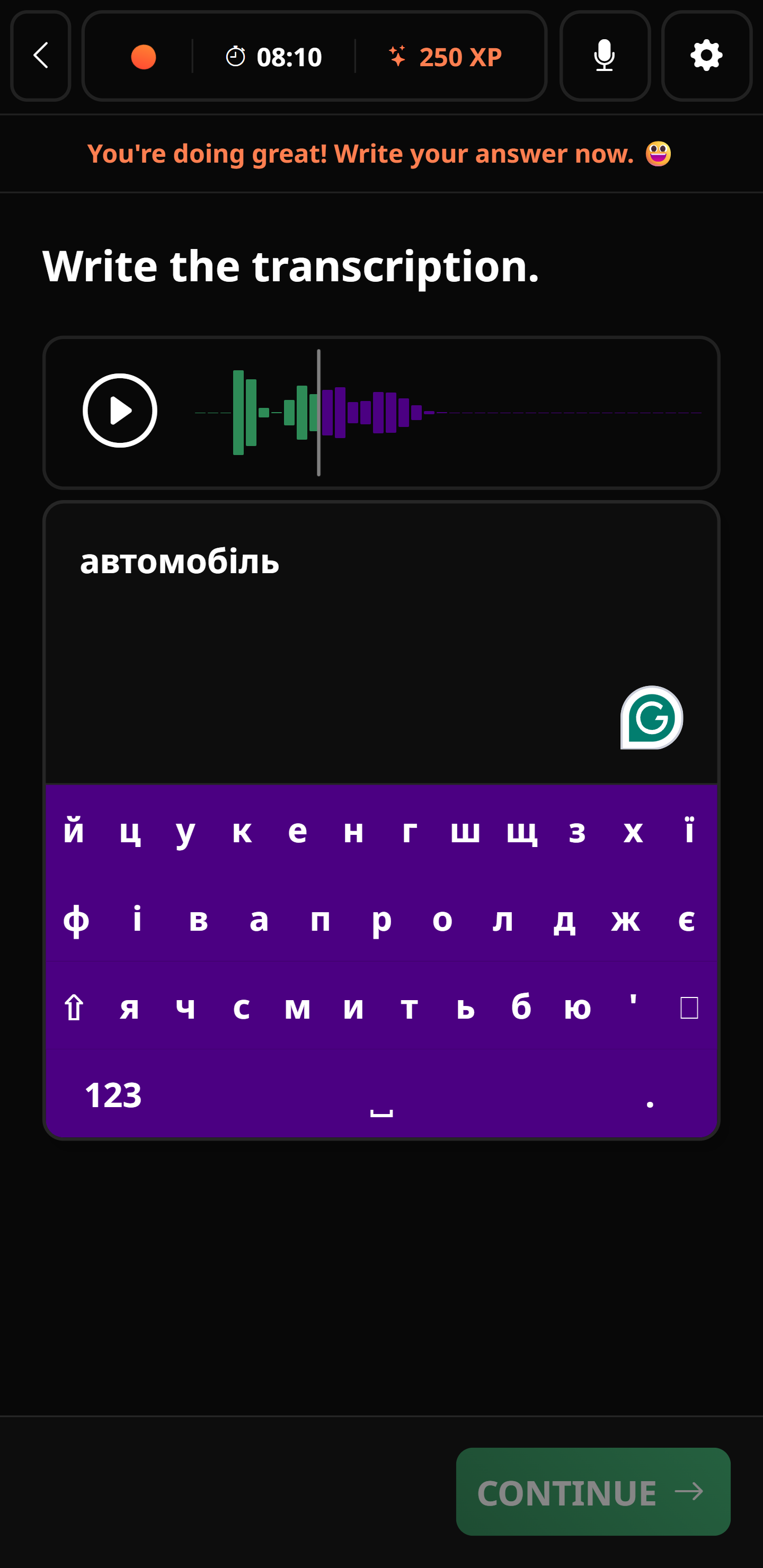
For comparison, most modern language apps cost $7–15/month with full access to everything. Univext offers a 14-day free trial with 30 minutes per day of AI-powered conversation practice — no level gating, no upsells.
Become bilingual in 30 days with Univext!
Start a lesson with our teacher for free and become bilingual like our 100,000 students!
✅ What Pimsleur Does Well
1. Pronunciation and listening skills are excellent. The audio-only approach forces you to actually listen and speak. After 30 lessons of Pimsleur French, my pronunciation of nasal vowels was noticeably better than what I'd gotten from app-based learning. The spaced repetition really does work for drilling sounds into your head.
2. Zero screen time. You can do Pimsleur while driving, walking, or cooking. In a world where every other app demands your eyes on a screen, this is a genuine advantage. If you commute 30+ minutes daily, Pimsleur fits perfectly into dead time.
3. The method is research-backed. Graduated interval recall (Pimsleur's core technique) is a proven memory strategy. The program introduces new material gradually and revisits old material at optimal intervals. It's not gamified nonsense — it's genuine cognitive science applied to language learning.
4. Structured and easy to follow. There's no decision fatigue. You press play, you do the lesson, you're done. Each lesson builds directly on the previous one. For people who hate choosing what to study, this is a relief.




Join more than 100,000 students learning on Univext
❌ Where Pimsleur Falls Short
1. You can't read or write in the language. This is the biggest limitation. After completing all 90 lessons (3 levels) of Pimsleur Spanish, I could hold a basic conversation — but I couldn't read a restaurant menu. In 2026, most learners need all four skills (listening, speaking, reading, writing). Pimsleur only gives you two.
2. The content is dated and rigid. Many Pimsleur dialogues still revolve around asking for directions, ordering at restaurants, and making small talk at hotels. The scenarios feel like they were written for a 1990s business traveler. There's very little cultural context, humor, or real-world variety.
3. No conversation practice — you're talking to a recording. You repeat after a prompt, but there's no AI adapting to what you say. If you mispronounce something, the lesson moves on anyway. You never get real feedback. Compare this to AI tutors that can actually hear you, correct your mistakes, and adjust difficulty in real time.
4. Extremely expensive for what you get. At $150 per level, completing the full Pimsleur program for one language costs $450+. For that price, you could subscribe to an AI-powered tutor for over a year and get unlimited conversation practice with real-time feedback.
5. The pace is painfully slow. Each 30-minute lesson introduces maybe 5-8 new words. After 90 lessons (45 hours of study), you'll know roughly 500 words. That's A2 level at best. Modern apps can get you there in a fraction of the time.
📊 Pimsleur vs Other Language Learning Methods
Here's how Pimsleur stacks up against the most popular alternatives in 2026:
Notes
Duolingo is free but heavily gamified with limited speaking practice. Babbel has structured courses but no real conversation mode. Pimsleur excels at audio but ignores reading and writing entirely.
Become bilingual in 30 days with Univext!
Start a lesson with our teacher for free and become bilingual like our 100,000 students!
🤖 The AI Alternative: Why Conversation-Based Learning Wins
The fundamental problem with Pimsleur is that it's a one-way method. You listen and repeat, but you never have a real conversation. In 2026, AI language tutors have completely changed this equation.
With an AI tutor like Univext's Umi, you get:
- Real conversations where the AI adapts to what you actually say
- Instant pronunciation feedback — not just "repeat after me" but "here's what you said wrong and why"
- All four skills — listening, speaking, reading, and writing in every session
- Personalized difficulty — the AI adjusts to your level automatically, no rigid 30-lesson structure
- Cultural context — learn how people actually talk, not just textbook phrases from the 1990s
Pimsleur's method was revolutionary in 1967. But in 2026, having a patient, always-available AI tutor that actually responds to you is simply a better way to learn.
Important
Try Univext free for 14 days — 30 minutes per day of real AI conversation practice in French, Spanish, Italian, German, Russian, Polish, Portuguese, Ukrainian, or English. No credit card needed to start.
🎯 Who Should (and Shouldn't) Use Pimsleur
Pimsleur is good for you if:
- You want to learn exclusively through audio (e.g., during a long commute)
- You're targeting a rare language that AI apps don't support yet (like Ojibwe or Dari)
- You prefer a rigid, no-decisions structure — just press play
- You're preparing for a short trip and only need survival phrases
Pimsleur is NOT good for you if:
- You want to read and write in the language (Pimsleur doesn't teach this at all)
- You want real conversation practice with feedback
- You're on a budget — $150 per level adds up fast
- You want to reach intermediate or advanced level (Pimsleur tops out at ~A2)
- You learn better with visual content, grammar explanations, or interactive exercises
Join more than 100,000 students learning on Univext
🏆 The Verdict: Is Pimsleur Worth It in 2026?
Short answer: For most learners, no.
Pimsleur's audio method is genuinely effective for building pronunciation and listening skills. The spaced repetition science is sound. If you're looking for a hands-free, audio-only program and you're willing to supplement it with other tools for reading and writing, Pimsleur can be a useful piece of the puzzle.
But at $20/month (or $150+ per level for lifetime access), it's hard to justify when modern AI tutors offer more comprehensive learning — speaking, listening, reading, writing, grammar, cultural context — for less money. The Pimsleur method hasn't meaningfully evolved since the 1960s, while the rest of the industry has leaped ahead.
If you're serious about actually speaking a language in 2026, an AI-powered conversation tutor will get you further, faster, and cheaper than repeating phrases into your car's steering wheel.
Become bilingual in 30 days with Univext!
Start a lesson with our teacher for free and become bilingual like our 100,000 students!
🔗 Looking for Better Alternatives?
If Pimsleur isn't the right fit, check out our tested rankings for the best language learning apps:
- Best Apps to Learn French in 2026
- Best Apps to Learn Spanish in 2026
- Best Apps to Learn Italian in 2026
- Best Apps to Learn German in 2026
- Best Apps to Learn Russian in 2026
- Best Apps to Learn Portuguese in 2026
- Best Apps to Learn Polish in 2026
- Best Apps to Learn Ukrainian in 2026
- Best Apps to Learn English in 2026
Or compare Pimsleur directly with other methods: