


Nobody quits italki because the tutors are bad. That is the strange part.
Ask around in learner forums and you will find the same story repeated with small variations: someone signs up, books a trial with three different tutors, finds one they genuinely like, has six or seven excellent lessons — and then, somewhere around month three, quietly stops booking. Not because the teaching failed. Because the admin around the teaching wore them down.
That is the honest problem with italki, and it is worth naming precisely, because it is not the problem most "alternatives" articles talk about. The friction is not the hourly rate. It is everything you have to do before the hour starts: browsing tutor profiles, watching intro videos, guessing from a 90-second clip whether someone can actually teach, coordinating a calendar across a six-hour time difference, buying italki Credits in advance, rebooking when your tutor cancels, and starting the whole search again when they leave the platform.
We build an AI tutor, so we have an obvious interest here. We will still be straight with you: for some learners italki is the right answer and no AI replaces it. This guide covers what italki genuinely does better than anything else, where the overhead becomes the real cost, and the five alternatives worth moving to in 2026 — depending on which part of italki stopped working for you.
✅ What italki Genuinely Owns
Any comparison that skips this is selling you something. Three things italki does that a piece of software does not:
A real human is watching you. Not a model predicting a plausible correction — a person who notices you have avoided the subjunctive for four weeks and calls you on it. That kind of attention is qualitatively different, and if it is what keeps you showing up, protect it.
Native speakers, in context. italki tutors bring the slang, the register, the regional habits and the "nobody actually says that" corrections that a curriculum cannot fully encode. For advanced learners polishing naturalness, this is the whole point.
Choice, and a lot of it. 150+ languages, community tutors alongside certified teachers, and a genuine spread of prices. If you are learning Georgian or Tagalog, italki may honestly be your only serious option, and no alternative in this article changes that.
Notes
If you are advanced, chasing near-native naturalness, or learning a language outside the big twenty — stop reading. italki is your platform. The rest of this guide is for people whose problem is overhead, not teaching.
⏳ Where the Overhead Becomes the Real Cost
Here is the part italki's own pricing page cannot show you, because it does not appear on the invoice.
The search never fully ends
Finding a tutor is not a one-time cost. Tutors raise their rates, change their availability, take on full schedules and stop accepting new students, or leave the platform entirely. Every one of those events puts you back into browsing profiles and booking trial lessons — and a trial lesson costs money and an evening even when it goes badly.
Time zones do not negotiate
The tutor whose teaching style fits you perfectly lives eight hours away. Your good slot is their 2 a.m. So you take the mediocre slot, or you take the second-best tutor. Motivation, meanwhile, does not arrive on a schedule: the moment you actually feel like practising is a Tuesday at 11 p.m., and there is no lesson on Tuesday at 11 p.m.
Cancellations cost you twice
A tutor cancels. You lose the session and the momentum, and you spend the following days rebooking around two calendars. It is nobody's fault — human teachers get sick and have families — but the rescheduling load is real and it lands entirely on you.
The cost climbs with every session
This is the one that quietly decides it. On italki you pay per lesson, so the better your habit gets, the more it costs you. Going from one lesson a week to four does not make you a better customer on a better plan — it quadruples your bill. Learners describe throttling their own practice to protect their budget, which is close to the opposite of what a language platform should encourage.
Credits sit in advance
You load italki Credits up front and spend them down. Small thing, but it turns "should I practise tonight" into a purchasing decision, and purchasing decisions are exactly what a daily habit does not survive.
Important
None of this is a knock on italki's tutors. It is a description of what a per-lesson marketplace inevitably costs you in coordination. If you read that list and recognised your last three months, the alternatives below are worth your time.
Become bilingual in 30 days with Univext!
Start a lesson with our teacher for free and become bilingual like our 100,000 students!
📊 The Five Alternatives, Compared on Overhead
Most comparison tables rank on price. This one ranks on the thing that actually makes people stop: how much work sits between you and a practice session.





Join more than 100,000 students learning on Univext
🚀 1. Univext — Best If the Overhead Is What Broke You
We will be direct about the trade, because it is a real one: you give up the human, and you get back everything that surrounded the human.
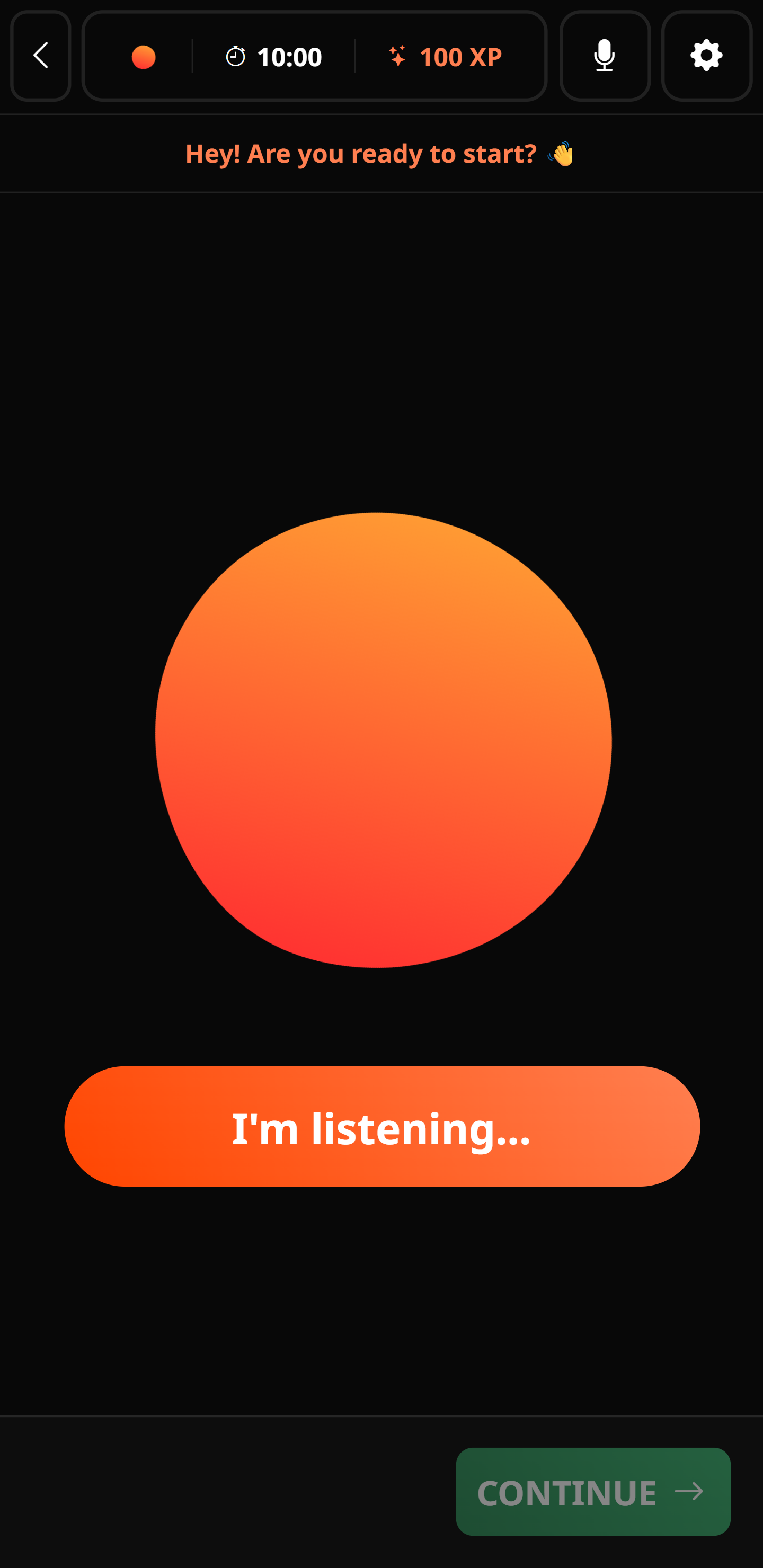
Umi, our AI teacher, is there when you open the app. No profile browsing, no trial lessons to find someone tolerable, no calendar negotiation, no credits to top up, no 2 a.m. slot in someone else's country. You feel like practising at 11 p.m. on a Tuesday, so you practise at 11 p.m. on a Tuesday.
And the pricing runs the opposite way to italki's. It is flat monthly — practising six times a week costs exactly what practising once a week costs. The incentive points at the habit instead of against it, which for most people is the single biggest difference in outcomes over a year.
What you actually get
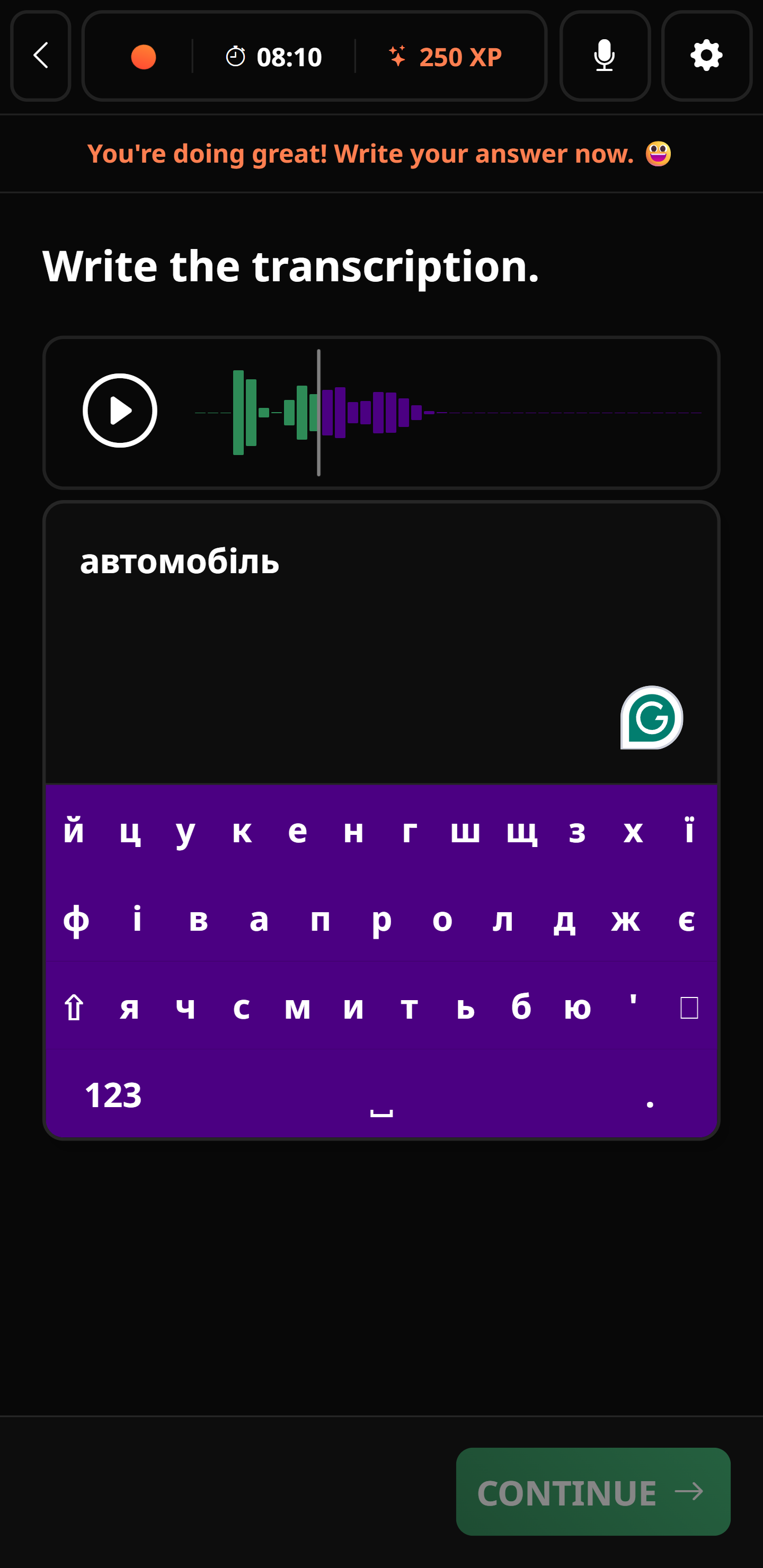
- A structured course, not an open chat box — pronunciation and vocabulary first, then grammar, then real conversation, in an order that builds
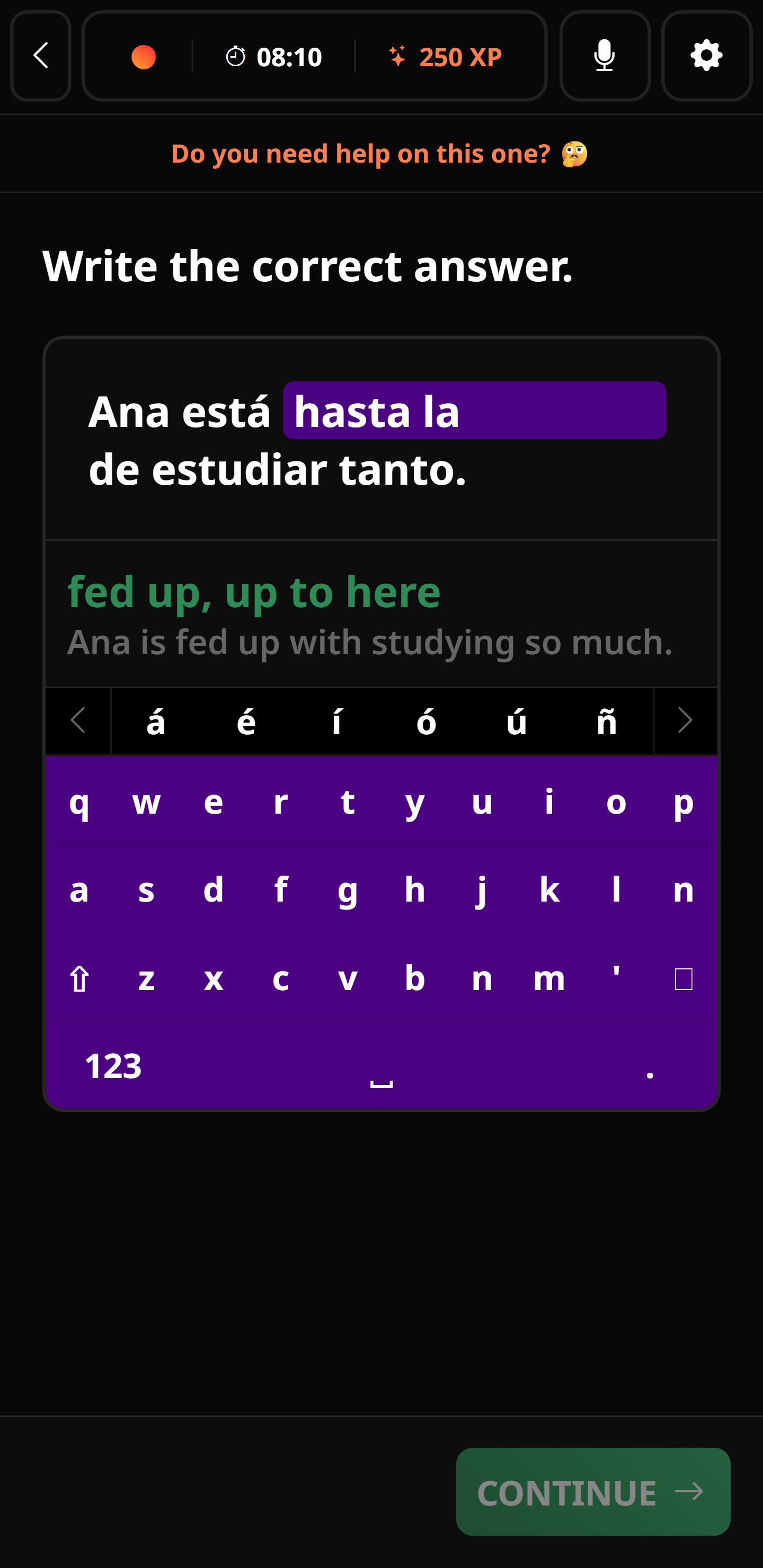
- 12 languages: English, French, German, Greek, Italian, Japanese, Korean, Polish, Portuguese, Russian, Spanish and Ukrainian — one subscription covers all of them, so picking up a second language costs nothing extra
- Correction in real time, without the small social cost of being corrected by a person you will see again next week
- 14-day free trial, 30 minutes a day — enough to find out whether practising daily actually suits you
Who this genuinely is not for
If you are C1 chasing the last five percent of naturalness, or your language is not on that list of twelve, stay on italki. An AI tutor is at its strongest from absolute beginner through solid intermediate — which is where most people quit, and where daily availability matters most.
Important
Start the 14-day free trial at univext.com/register — 30 minutes a day, no lesson to book, no tutor to find.
If you are picking a language, our tested rankings go deeper: Spanish, French, Italian, German, Japanese, Korean, Portuguese, Russian, Polish and Ukrainian.
👥 2. Preply — Best If You Want a Human but a Different Marketplace
If the tutor relationship is the thing you refuse to give up, the honest move is a different marketplace rather than a different category. Preply is the closest like-for-like: same 1-on-1 video model, same book-and-pay-per-lesson structure, a differently shaped tutor pool.
Be clear-eyed about what changes and what does not. What changes: the roster, and the subscription-style lesson packages Preply pushes, which some learners find steadier than buying credits. What does not change: every single item in the overhead list above. You still search, still book, still coordinate time zones, still rebook after cancellations, and the bill still climbs with your practice.
Preply also tends to start higher than italki's community tutors — italki's cheaper informal tier has no exact equivalent. If price is your reason for leaving, Preply is often the wrong direction.
We wrote both sides of this up in detail: italki vs Preply and the best Preply alternatives.
Become bilingual in 30 days with Univext!
Start a lesson with our teacher for free and become bilingual like our 100,000 students!
🎓 3. Lingoda — Best If You Want Humans Without the Tutor Hunt
Lingoda removes exactly one piece of italki's overhead, and it happens to be the most annoying piece: you never choose a tutor again. Small group classes, certified teachers, a CEFR-aligned curriculum, and a timetable you book into instead of a person you negotiate with.
That is a genuine relief for anyone who has burned three evenings on trial lessons. Group format also means live human instruction at meaningfully less than 1-on-1 rates.
The trade is honest: less speaking time per hour, because you share the floor with three or four classmates. And the time zone problem does not vanish — it just moves from one tutor's calendar to a fixed class schedule you have to fit your week around. Strongest in German, French, Spanish and English.
Notes
Lingoda's Sprint challenges — attend every class for a set period and get money back — work extremely well for people whose real problem is consistency rather than instruction.
💬 4. Cambly — Best for Zero-Booking Human Conversation
Cambly is the closest a human marketplace comes to solving the availability problem. You open it, you get connected to a native speaker within about a minute, no appointment. That is genuinely rare, and if "I just want to talk to someone right now" is your complaint about italki, Cambly answers it directly.
Two caveats worth knowing before you switch. First, most Cambly speakers are conversation partners rather than trained teachers — great for fluency and confidence, thin on structured grammar correction. Second, the billing is per minute against a weekly plan, so the cost-climbs-with-practice problem is not solved, it is metered more finely. English dominates the roster; other languages are far shallower.
Join more than 100,000 students learning on Univext
🤝 5. Tandem / HelloTalk — Best Free Option, With Honest Limits
Tandem and HelloTalk pair you with native speakers for language exchange: you help them with your language, they help you with theirs. Free, and the conversations can be excellent.
The limits are worth stating plainly. Your partner is not a teacher, so corrections are inconsistent and sometimes wrong. Half of every session is spent helping them, not learning. And it swaps one availability problem for another — instead of booking a slot, you wait for someone to reply, which on a bad week means no practice at all. Best as a supplement alongside something structured, not as your only source of practice.
More on this category: the best HelloTalk alternatives.
Become bilingual in 30 days with Univext!
Start a lesson with our teacher for free and become bilingual like our 100,000 students!
🎯 Which One Should You Actually Pick
Match the alternative to the specific thing that broke, not to a general feeling of dissatisfaction:
- The booking and coordinating exhausted you → Univext. No session to schedule, flat monthly, available the moment you feel like it.
- The bill grew as your habit grew → Univext. Flat pricing is the only structure that does not punish practising more.
- You want a human, just a different roster → Preply.
- You want humans but never want to pick a tutor again → Lingoda.
- You want to talk to someone right now, unstructured → Cambly.
- You want free and you have patience → Tandem or HelloTalk.
- You are advanced, or your language is rare → stay on italki. Genuinely.
❓ Frequently Asked Questions
Is italki still worth it in 2026?
For advanced learners, rare languages, and anyone who thrives on a relationship with a specific teacher — yes, clearly. For beginners and intermediates who need frequent, low-friction practice, the per-lesson model works against you: the coordination cost is high and the price rises exactly when your habit improves. Our full italki review breaks the numbers down.
Can an AI tutor really replace an italki tutor?
For part of the job, yes. Daily speaking practice, real-time correction, structured progression from beginner to intermediate — an AI tutor does that at any hour with no booking. What it does not replace is a human noticing your long-term patterns and pushing you on them, or the last stretch toward native-sounding nuance. Most learners are better off matching the tool to their level than picking a side.
What is the cheapest alternative to italki?
Tandem and HelloTalk are free, but you pay in inconsistency and in time spent teaching your partner. For paid options, a flat monthly AI subscription is almost always cheaper than per-lesson tutoring the moment you practise more than about once a week — and the gap widens the more you study.
Why do italki tutors keep cancelling on me?
It is usually not personal. Tutors juggle time zones, illness and full schedules, and platform cancellation policies are lenient by design. It is a structural feature of any human marketplace rather than a sign you picked badly — which is exactly why some learners move to a format with no appointment to cancel.
Do I have to give up human tutors entirely?
No, and many people should not. A common setup that works well: daily AI practice for volume and consistency, plus one human lesson a fortnight for the things only a person catches. That combination usually costs less than two italki lessons a week and produces far more speaking hours.
✅ The Bottom Line
italki is a good platform with a real weakness, and the weakness is not the teaching. It is that a per-lesson marketplace charges you in coordination as well as in money — search, calendars, credits, cancellations — and that the bill rises precisely when your habit is going well.
If that is what wore you down, the fix is not a cheaper tutor. It is a format where practising is a decision that takes zero admin: Univext offers a flat monthly subscription, twelve languages, and a tutor who is available the second you open the app. Start with the 14-day free trial — 30 minutes a day, nothing to book — at univext.com/register.
And if you are advanced or learning something rare, stay where you are. italki has earned that.