


If you have opened HelloTalk lately and thought "this is not really language learning anymore", you are not alone. The app that was supposed to give you conversation practice with native speakers has drifted into something closer to a social network — and a lot of people are quietly looking for the exit.
This is an honest ranking of the best HelloTalk alternatives in 2026. We are not going to pretend HelloTalk is useless: it is free, it has millions of users, and if you get lucky with a partner it genuinely works. But "if you get lucky" is doing an enormous amount of work in that sentence, and luck is a terrible foundation for a skill you want to actually acquire. Below we go through what specifically breaks down, then rank the apps worth switching to depending on what you actually need — free exchange, paid tutoring, or unlimited speaking practice without the stranger roulette.
😬 Why People Leave HelloTalk
Four complaints come up again and again, and they are structural rather than cosmetic. No amount of UI polish fixes them.
1. Safety and moderation. A very large share of women learners report that the app functions as a dating app that happens to have a translate button. Unsolicited messages, profile-photo comments, and partners who lose interest the moment they realise the conversation is going to be about grammar. HelloTalk has moderation tools and a report button, but the volume is the problem, not the tooling.
2. The social feed ate the app. The Moments feed — posts, likes, comments — is now the centre of gravity. It is pleasant. It also is not practice. You can spend forty minutes on HelloTalk and produce three sentences in your target language, which is roughly the productivity of scrolling any other social app while feeling virtuous about it.
3. Correction quality is a lottery. Your partner is a random native speaker, not a teacher. Native speakers know what sounds wrong; they usually cannot explain why, and many will simply say "yes, perfect!" because correcting a stranger feels rude. Some partners are wonderful. Some correct your spelling and miss that your verb tense is wrong. You cannot tell which you have until weeks in.
4. There is no structure. HelloTalk is a room full of people, not a curriculum. There is no answer to "what should I study today", no progression, no way to know whether you are getting better. Learners who need a path — which is most learners — burn out around week three.
Important
If you want the full breakdown with screenshots and pricing, read our HelloTalk Review 2026: Is It Worth It? (Honest Take) — this post is about where to go next.
🏆 The Best HelloTalk Alternatives in 2026, Ranked
We ranked these on the four things HelloTalk actually fails at: safety, correction quality, speaking volume per session, and structure. Price matters too, but a cheap app that produces no speaking is not cheap, it is free and worthless.
Become bilingual in 30 days with Univext!
Start a lesson with our teacher for free and become bilingual like our 100,000 students!
🥇 1. Univext — Unlimited Speaking, No Stranger Roulette
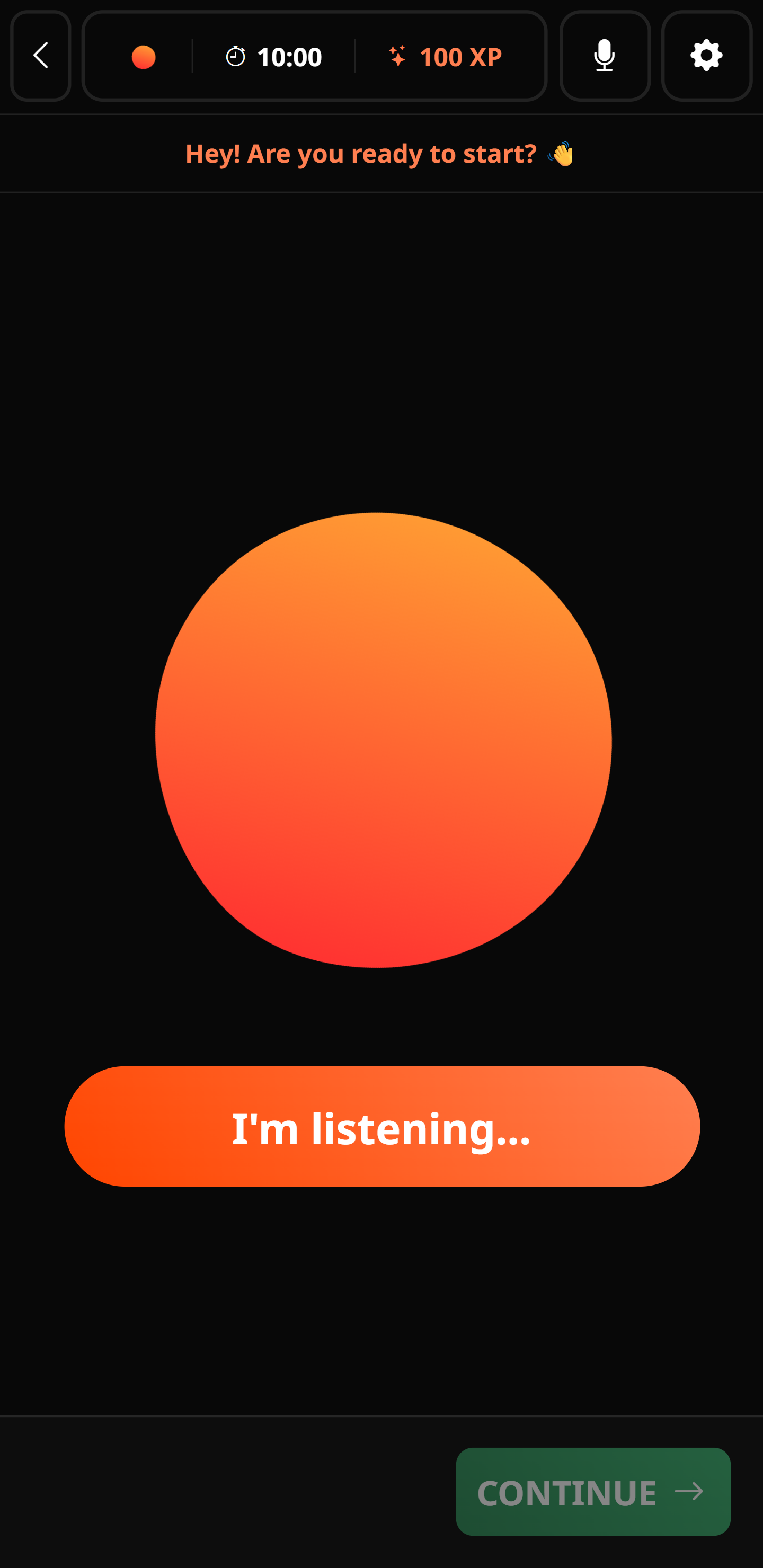
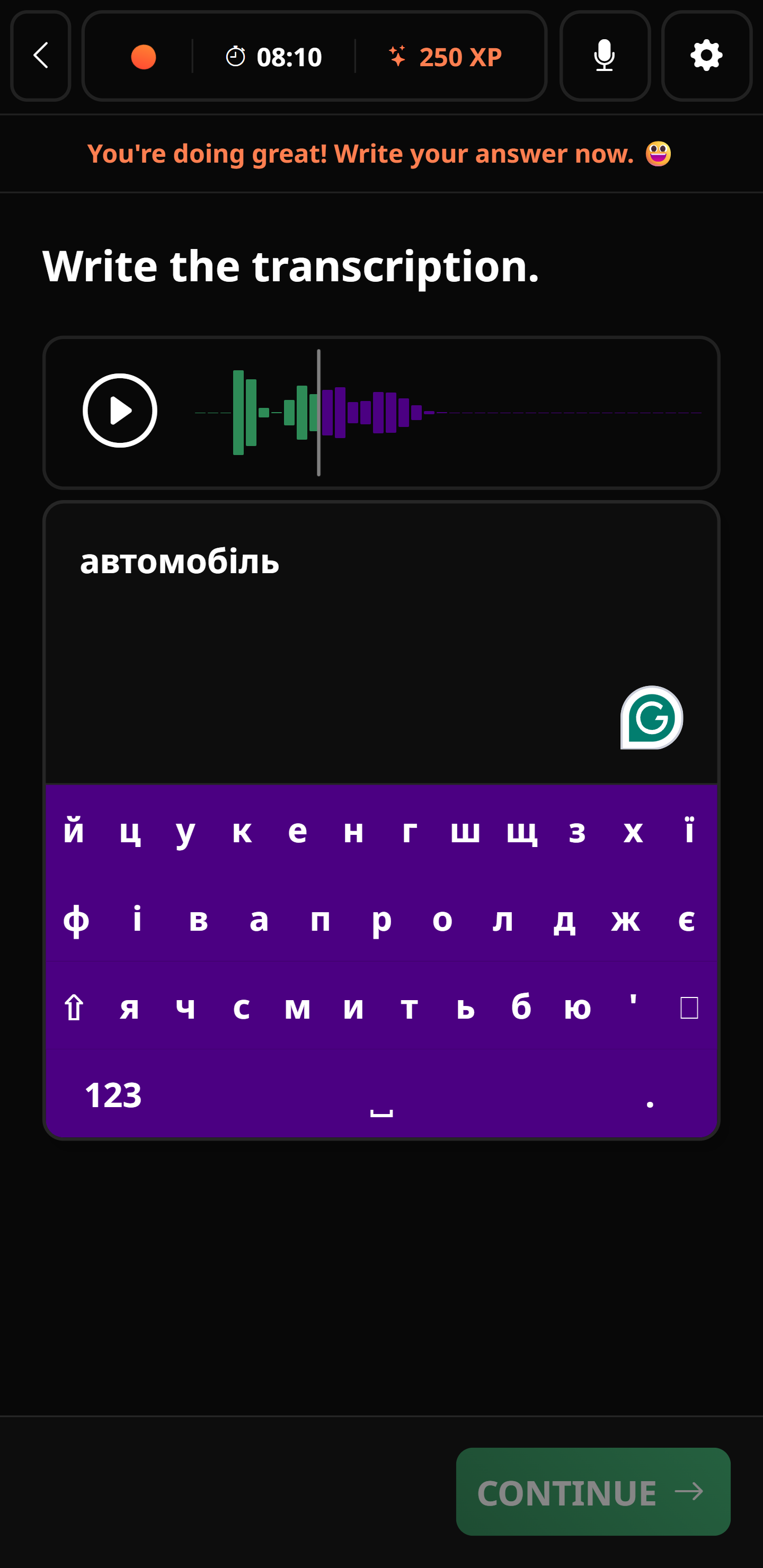
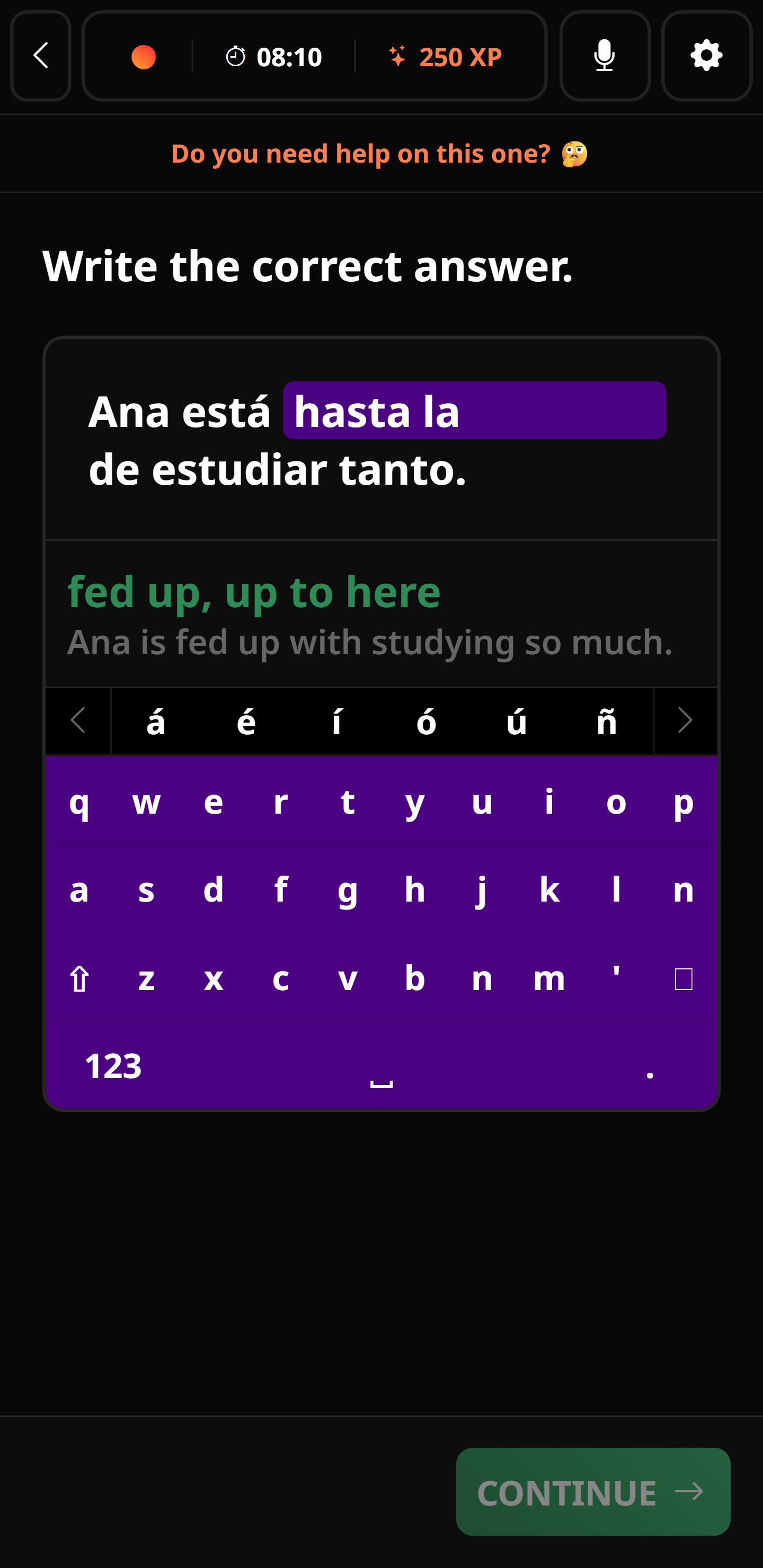
Umi is our AI language tutor, and the reason it heads this list is not brand loyalty — it is that it fixes all four HelloTalk failure modes at once, which none of the exchange apps do.
You speak every single session. There is no waiting for a partner to reply, no timezone problem, no "hey :)" followed by silence for three days. You open the app and you are talking within seconds. For most learners this alone multiplies weekly speaking minutes by an order of magnitude, because the binding constraint was never motivation — it was availability.
Corrections are instant and explained. Not "sounds good!" from a stranger being polite. Umi tells you the mistake, the correct form, and why — the rule, not just the fix. That is the thing a random native speaker structurally cannot give you, because knowing a language and being able to teach it are different skills.
Zero stranger risk. No profile photo, no Moments feed, nobody sliding into your inbox. If the reason you are reading this post is that HelloTalk felt unsafe, this is the part that matters most.
There is actually a curriculum. Structured chapters and lessons across 12 languages — English, French, German, Greek, Italian, Japanese, Korean, Polish, Portuguese, Russian, Spanish and Ukrainian — so "what do I study today" has an answer. One subscription covers all of them, which is unusual: most apps charge per language.
Important
Try a free lesson with Umi — 14-day free trial, 30 minutes a day. Start speaking today





Join more than 100,000 students learning on Univext
🥈 2. Tandem — The Closest Like-for-Like Swap
If what you want is genuinely a language exchange app and not a tutor, Tandem is the honest first stop. It is the direct competitor, and its moderation is meaningfully stricter — profiles are reviewed before approval, which filters out a chunk of the traffic that makes HelloTalk uncomfortable.
What is better: stricter vetting, a cleaner interface, and a community that skews more toward people who are actually there to learn. Voice and video calls are built in and work well.
What is not: it is still a stranger-matching app. Your partner is still an untrained native speaker, response times are still measured in days, and the "we chatted twice and then it died" pattern is just as common. You have swapped a moderation problem for a slightly smaller moderation problem; you have not solved correction quality or structure.
Notes
We compared these two head to head in HelloTalk vs Tandem 2026: Tested & Compared (Honest Take) if you want the detailed version.
🥉 3. Speaky — Simple, Free, Text-First
Speaky is the stripped-down option. No feed, no gamification, no upsell wall — just a partner list and a chat window. For learners who found HelloTalk's Moments feed to be the distraction, the minimalism is genuinely the feature.
What is better: almost no social-network drift, and it is free.
What is not: it is overwhelmingly text-based. If your goal is speaking — and if you are leaving HelloTalk it probably is — Speaky moves you further from that goal, not closer. The user base is also considerably smaller, so match quality in less-common language pairs drops off fast.
Become bilingual in 30 days with Univext!
Start a lesson with our teacher for free and become bilingual like our 100,000 students!
4. Bilingua — Matching That Tries Harder
Bilingua's angle is matching: it pairs you on interests and level rather than dumping you into a search results page. When it works, the conversations are better than HelloTalk's because you have something to talk about beyond "where are you from".
What is better: better-quality matches, less cold-opening.
What is not: small user base, and the same fundamental ceiling — an untrained partner, on their schedule, with no curriculum behind it.
💸 5. italki and Preply — When You Want a Real Human Teacher
If your conclusion after HelloTalk is "I actually need a teacher", these two marketplaces are where you go. Both give you a booked lesson with a real, usually qualified tutor, professional corrections, and zero stranger risk.
The honest caveat is price and friction. Lessons typically run $10-30 an hour, you have to schedule them, and you have to shop for a tutor you click with — which can take three or four paid trial lessons. That is fine if you are taking two lessons a week. It is not a replacement for daily practice, because nobody is booking a human tutor every single day.
Example
The realistic setup for a lot of learners: a human tutor once a week for accountability, plus daily AI practice for volume. The tutor keeps you honest; the daily practice is where the hours actually accumulate.
Join more than 100,000 students learning on Univext
🎯 So Which One Should You Pick?
Match the alternative to the reason you are leaving.
- You left because it felt unsafe → Univext. No strangers, no feed, no inbox.
- You left because nobody ever replies → Univext or a paid tutor. Both are available on demand.
- You left because the corrections were useless → Univext or italki/Preply. You need someone who can explain, not just react.
- You left because of the social feed → Speaky if you want to stay in exchange, Univext if you want to stop scrolling entirely.
- You still want free human exchange → Tandem, then Bilingua.
- You want a structured path, not a chat room → Univext.
Become bilingual in 30 days with Univext!
Start a lesson with our teacher for free and become bilingual like our 100,000 students!
🚀 The Honest Bottom Line
Language exchange apps sell an appealing idea: free practice with real native speakers. The idea is genuinely good. The delivery depends entirely on strangers being available, patient, and able to teach — three things you have no control over and no way to check in advance.
If that lottery has been paying out for you, stay on HelloTalk. It costs nothing. But if you have spent more time managing conversations than having them, the fix is not another app full of strangers — it is practice that is there when you open it, corrects you properly, and knows what you studied last week.
Important
Stop waiting for someone to reply. Speak from your first minute — 14-day free trial, 30 minutes a day, 12 languages in one subscription. Try Umi free
If you are also shopping around more broadly, our Best Duolingo Alternatives in 2026 (Tested & Ranked) covers the gamified-app side of the market.