


💸 Why People Are Leaving Rosetta Stone in 2026
Rosetta Stone was once the undisputed king of the language learning world. It was the pioneer of computer-based language acquisition, famous for its "Dynamic Immersion" method that replaced boring grammar tables with colorful pictures and native speaker audio. But as we navigate the digital landscape of 2026, the reality is stark: paying premium prices for a methodology developed in the 1990s simply doesn’t make sense anymore.
The world of education technology has undergone a seismic shift. While Rosetta Stone was revolutionary thirty years ago, its core product has remained largely stagnant. The "immersion" approach they champion—matching pictures of boys eating apples to the phrase "The boy eats an apple"—is a passive form of pattern matching. It mimics how children learn, but as researchers have discovered, adults learn differently. We need context, feedback, and, most importantly, active production.
In 2026, language learners are demanding more for their money. They are looking for "Rosetta Stone alternatives" that don't just show them pictures, but actually talk back to them. The rise of sophisticated Artificial Intelligence has made it possible to have a personal tutor in your pocket for a fraction of the cost of a legacy subscription. If your Rosetta Stone subscription is up for renewal, or if you are considering dropping nearly $200 on a year of "clicking and matching," read this first.
The primary reason for the mass exodus from Rosetta Stone is the value-to-result ratio. Learners are realizing that after six months of using the software, they might know the words for "yellow flower" and "aeroplane," but they still freeze when a local asks them for directions in Paris or Madrid. Today’s AI-powered alternatives deliver better, faster, and more practical results at a price point that makes the old guard look obsolete.
If you are searching for a "cheaper than Rosetta Stone" option that actually works, you aren't just looking to save money—you're looking to save time. In the sections below, we break down why modern learners are choosing smarter, AI-driven platforms like Univext over the outdated slide-shows of the past.
🏆 The 5 Best Rosetta Stone Alternatives in 2026
1. Univext — Best Overall Alternative (AI Tutor at a Fraction of the Price)
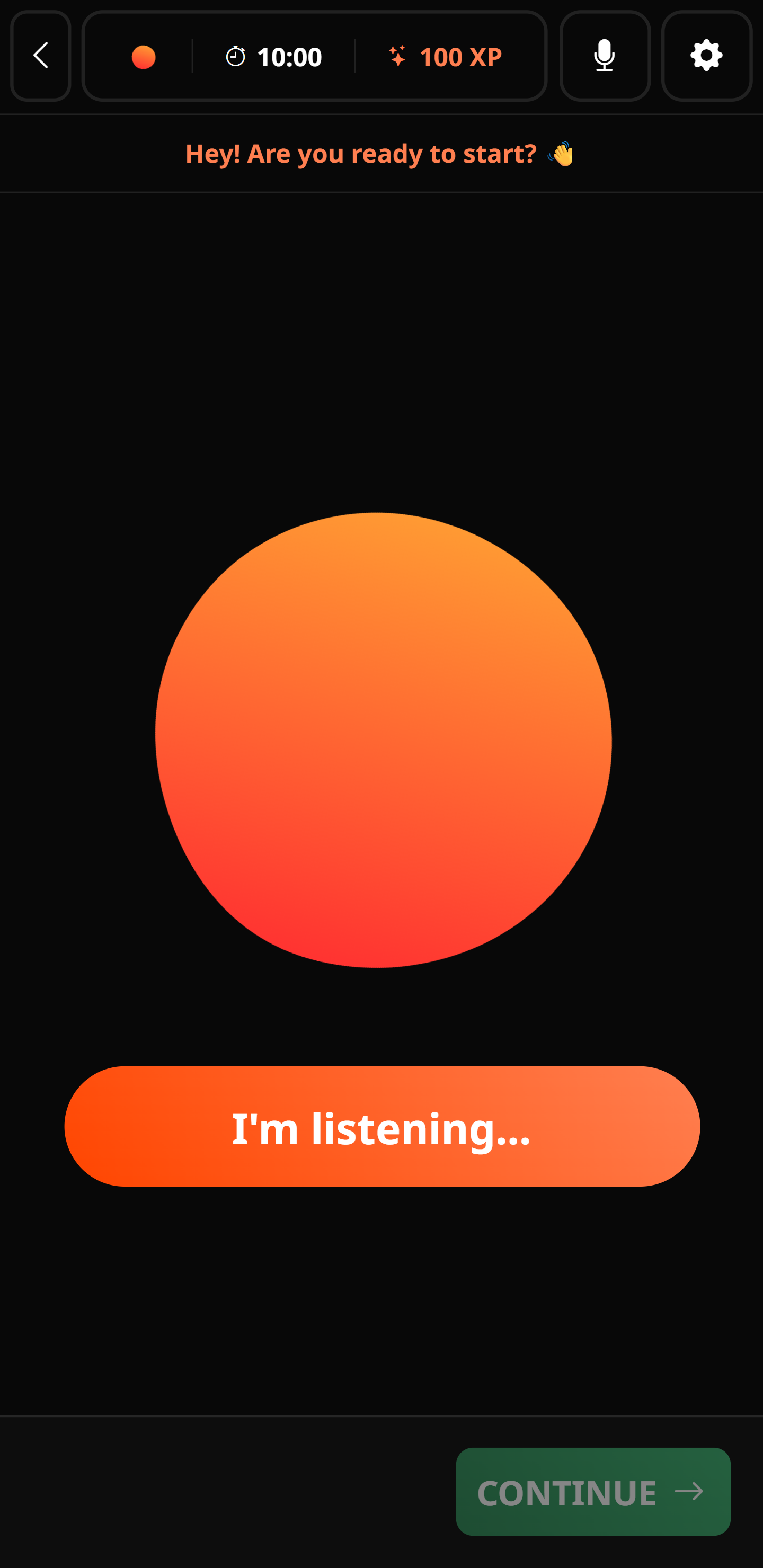
Univext has emerged in 2026 as the definitive answer to the "Rosetta Stone vs. Modern AI" debate. While Rosetta Stone relies on a fixed curriculum of static images, Univext introduces you to Umi, your personal AI language teacher. The difference is night and day: Rosetta Stone asks you to match patterns; Univext asks you to hold a conversation.
The power of Univext lies in its ability to facilitate real-time, adaptive communication. Umi doesn't just follow a script; she listens to what you say, corrects your mistakes gently, and adjusts the complexity of the conversation based on your current level. This is something Rosetta Stone simply cannot do. In the old software, if you struggle with a lesson, you just repeat the same pictures. With Univext, the AI senses your friction points and pivots the lesson to help you overcome them.
Univext currently offers comprehensive support for 9 major languages, each supported by tailored AI models:
From a price perspective, the comparison is even more dramatic. A typical Rosetta Stone subscription can cost upwards of $170 per year (or a staggering $300+ for a "lifetime" license that rarely stays updated). Univext is significantly more affordable, making high-level AI tutoring accessible to everyone. Instead of paying for a brand name and 90s nostalgia, you are paying for cutting-edge neural networks that actually teach you to speak.
The user experience on Univext is designed for the busy modern learner. With a 14-day free trial allowing for 30 minutes of practice per day, you can experience more speaking growth in one week than you might in a month of Rosetta Stone's "click-the-picture" drills. By the time you finish your first session with Umi, you'll realize that "immersion" should mean talking to a person (or a very smart AI), not clicking on a digital flashcard.
2. Babbel — Best for Grammar-Focused Learners
Babbel is a veteran in the space and remains one of the strongest Rosetta Stone alternatives for those who crave structure. Unlike Rosetta Stone’s "no-translation" policy, which often leaves learners confused about why a sentence is structured a certain way, Babbel provides clear, concise grammar explanations in your native language.
The lessons are built around functional dialogues—ordering coffee, checking into a hotel, or talking about work. This makes it much more practical than the abstract vocabulary found in Rosetta Stone. However, in 2026, Babbel’s main weakness is its lack of generative AI. While the courses are expertly designed by linguists, they are still "on rails." You are essentially moving through a digital textbook. You won't get the adaptive, free-flowing conversation practice that a platform like Univext provides.
Still, Babbel is much cheaper than Rosetta Stone and offers a more logical progression for adult learners who want to understand the "rules" of the language. It is a solid choice for those who find Rosetta Stone too vague but aren't quite ready for full AI conversation.
3. Duolingo — Best Free Alternative
If your primary goal is to find something "cheaper than Rosetta Stone," you can't beat free. Duolingo has dominated the market by gamifying the learning process. It’s addictive, colorful, and costs nothing for the basic version. For many, Duolingo is the first "Rosetta Stone alternative" they try because of the zero-dollar barrier to entry.
However, there is a catch. While Duolingo is great for building a daily habit and learning basic vocabulary, it has a notorious "fluency ceiling." Many users find that they can maintain a 500-day streak and still be unable to form a coherent sentence in a real-world setting. Why Duolingo Doesn't Teach You to Actually Speak is a common topic of discussion among serious learners who realize that matching words on a screen isn't the same as speaking.
Compared to Rosetta Stone, Duolingo is more engaging, but both suffer from the same problem: they are "input-heavy" and "output-light." You spend a lot of time reading and listening, but very little time actually speaking creatively.
4. Busuu — Best for CEFR-Aligned Progress
Busuu distinguishes itself by aligning its courses with the Common European Framework of Reference for Languages (CEFR). This means that if you complete a level on Busuu, you have a better understanding of where you stand globally (e.g., A1, B2). It feels more like a traditional language school moved into an app format.
One of Busuu’s unique features is its community component, where native speakers correct your written and spoken exercises. This provides a human touch that Rosetta Stone lacks. However, in 2026, relying on community corrections can be hit-or-miss. Sometimes you get helpful feedback; other times, your exercise sits unanswered for days. While Busuu has integrated some AI features, they aren't as robust as the dedicated AI teacher Umi on Univext. It remains a mid-tier price option that is more effective than Rosetta Stone but less revolutionary than an AI-first platform.
5. Pimsleur — Best for Audio-Based Immersion
Pimsleur is perhaps the closest philosophical relative to Rosetta Stone, yet it is often much more effective for oral proficiency. While Rosetta Stone is visual-heavy, Pimsleur is almost entirely audio-based. It uses a technique called graduated interval recall to force you to remember and speak phrases under pressure.
If you spend a lot of time commuting or want to learn while doing chores, Pimsleur is a great "Rosetta Stone alternative." Its weakness, however, is the price and the scope. At roughly $20/month per language, it is one of the more expensive options on the market. Furthermore, it offers almost nothing in the way of reading or writing. It’s an excellent tool for developing an accent and listening skills, but it lacks the holistic approach (and the affordability) of modern AI tutors.
Become bilingual in 30 days with Univext!
Start a lesson with our teacher for free and become bilingual like our 100,000 students!
📊 Comparison Table: Rosetta Stone vs the Alternatives





Join more than 100,000 students learning on Univext
❌ Why Rosetta Stone Isn't Worth It in 2026
Is Rosetta Stone worth it? In the 1990s, yes. In 2010, maybe. In 2026? Almost certainly not. Here is a detailed breakdown of why this legacy giant is falling behind its competitors.
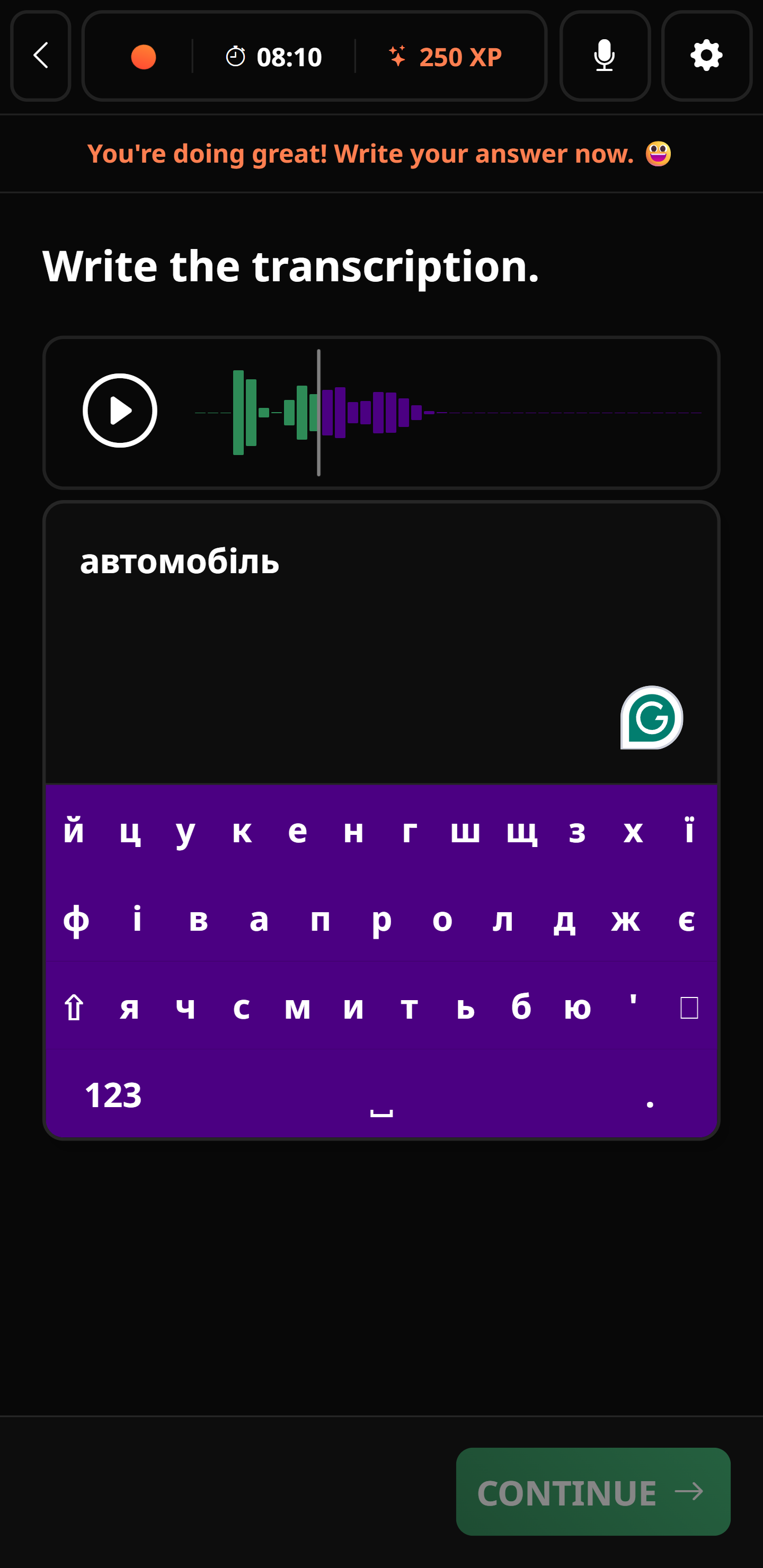
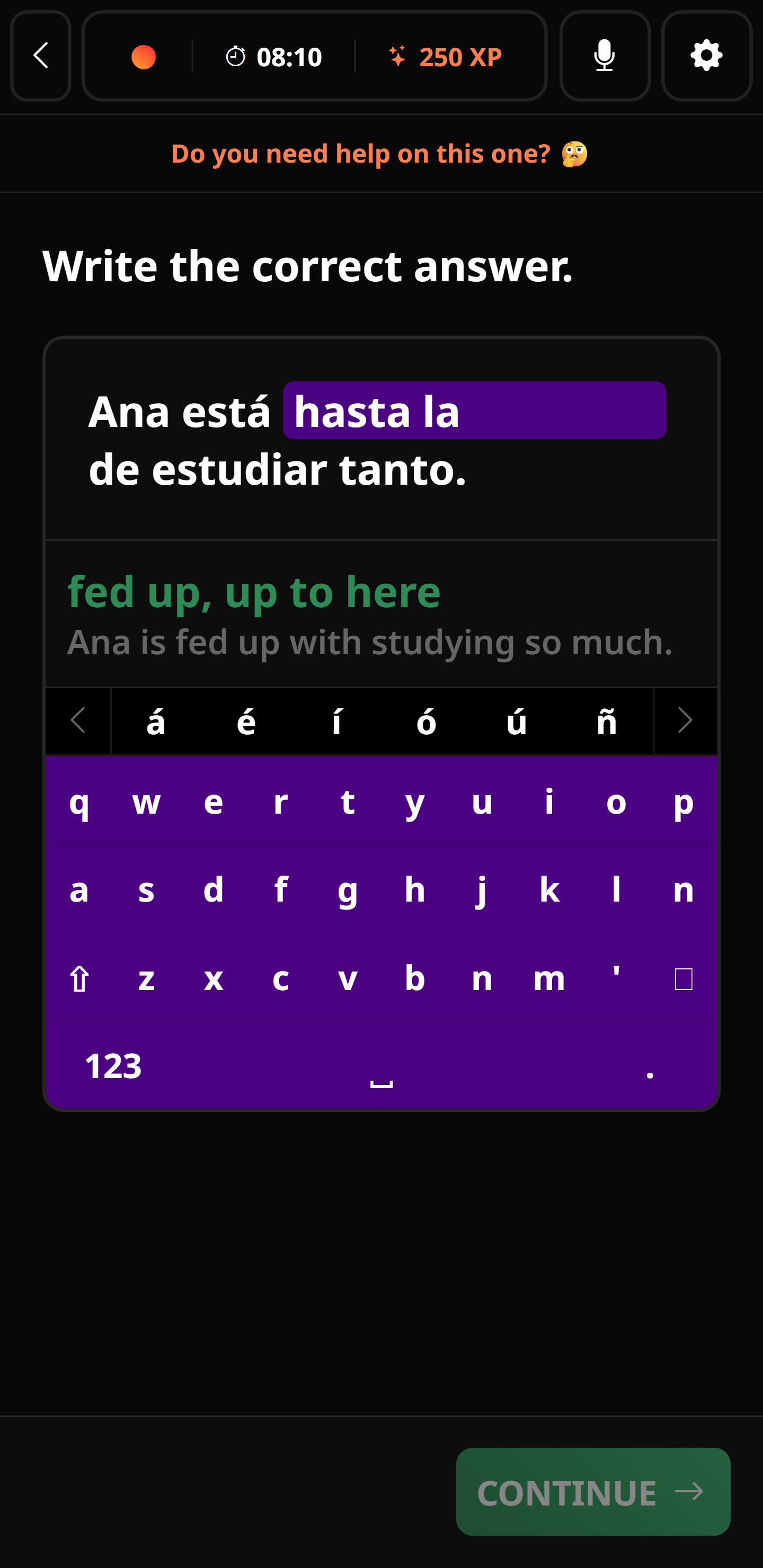
1. Outdated Methodology The "No-Translation" immersion method is based on the idea that adults should learn like babies. However, cognitive science has shown that adults benefit immensely from context and grammar explanations. Spending twenty minutes trying to figure out that a specific verb means "to sit" because you're looking at four different pictures of people sitting is an incredibly inefficient use of time. Modern apps like Univext provide the immersion without the confusion.
2. Prohibitive Pricing Rosetta Stone continues to charge a "prestige" price for a product that hasn't fundamentally changed in years. With annual costs exceeding $170, it is one of the most expensive ways to learn a language. When you can get a more effective, AI-powered experience for a fraction of that price, the brand name starts to lose its luster.
3. No AI Adaptation Every Rosetta Stone user sees the exact same images in the exact same order. There is no personalization. If you already know your colors but struggle with past-tense verbs, Rosetta Stone doesn't care. It forces you through the same linear path. In contrast, AI teachers like Umi adapt the curriculum to your specific strengths and weaknesses in real-time.
4. Lack of Real Conversation Practice Rosetta Stone uses speech recognition to check if you've pronounced a specific word correctly. This is "pattern matching," not "conversation." You aren't learning to think on your feet; you're learning to mimic a recording. To actually speak a language, you need to generate your own sentences. Rosetta Stone never asks you to do this.
5. Slow Progress Because the method is so repetitive and avoids direct explanation, progress is agonizingly slow. Most users find that after months of work, they still cannot navigate a basic conversation. The "immersion" ends up feeling more like a slow-motion puzzle than a language course.
💰 Price Comparison: How Much Can You Save?
When looking for a "cheaper than Rosetta Stone" option, it helps to see the numbers side-by-side. Here is what you can expect to pay for a year of learning in 2026:
By switching to a modern alternative like Univext, you aren't just saving nearly $100 a year; you are gaining access to technology that was science fiction when Rosetta Stone was first designed.
Become bilingual in 30 days with Univext!
Start a lesson with our teacher for free and become bilingual like our 100,000 students!
🎯 Which Rosetta Stone Alternative is Right for You?
Choosing the right platform depends on your specific goals. Here is a quick guide to help you decide:
Want an AI conversation partner? If your goal is to actually speak and have the confidence to talk to locals, Univext is the clear winner. The AI teacher Umi provides a safe, judgment-free environment to practice speaking. Combine with Univext for the fastest results.
Want structured grammar? If you love knowing the "why" behind every sentence and want a clear path through grammar rules, Babbel is a strong choice. Combine with Univext for the fastest results.
Want a free option? If you are on a strict budget and just want to dip your toes in, Duolingo is the way to go. It will help you learn vocabulary, even if it doesn't make you fluent. Combine with Univext for the fastest results.
Want community feedback? If you enjoy the social aspect of learning and want real humans to look at your work, Busuu offers a great balance. Combine with Univext for the fastest results.
Want audio-only immersion? If you want to learn while driving or exercising and don't care about reading or writing, Pimsleur is the legacy choice for audio. Combine with Univext for the fastest results.
🚀 Why Univext Beats Rosetta Stone
The transition from Rosetta Stone to Univext is like moving from a paper map to a GPS with real-time traffic updates. Both technically show you where to go, but one is vastly more efficient and responsive to your environment.
- Real AI vs. Fake "Immersion": Rosetta Stone's immersion is just looking at pictures. Univext's immersion is actually speaking the language with an intelligent entity that understands you.
- Adaptive vs. One-Size-Fits-All: Univext learns your patterns. It knows if you struggle with the subjunctive in Spanish or the cases in German and provides extra practice where you need it. Rosetta Stone treats every learner like a blank slate.
- Conversation from Day 1: You don't need to wait six months to start talking. Umi encourages you to speak from your very first session, building the muscle memory required for real-world fluency.
- Fraction of the Price: We believe language learning shouldn't be a luxury. Univext provides superior technology at a price point that makes sense for students, travelers, and hobbyists alike.
- 14-Day Free Trial: We are so confident in Umi that we offer a 30-minute-per-day free trial for a full week. No "click-matching" required—just real learning.
Try Univext free for 14 days →
Join more than 100,000 students learning on Univext
❓ Frequently Asked Questions
Is Rosetta Stone worth the money in 2026? For most learners, no. The technology is outdated compared to modern AI-driven platforms. While it has a recognizable brand name, the actual learning outcomes are often slower and more expensive than alternatives like Univext or Babbel.
What's cheaper than Rosetta Stone? Almost everything. Duolingo is free, Busuu and Babbel are significantly less expensive per year, and Univext offers much higher value by providing an AI tutor for a fraction of the cost of Rosetta Stone’s annual subscription.
Is Rosetta Stone better than Duolingo? They serve different purposes. Rosetta Stone is more immersive (though passive), while Duolingo is more gamified. However, neither is particularly effective at teaching you to hold a real-life conversation. For that, an AI-based platform is necessary.
Can you become fluent with Rosetta Stone? It is very difficult to reach true fluency with Rosetta Stone alone. Because it lacks free-form conversation practice and complex grammar explanations, most users reach an upper-beginner level and then plateau.
What's the best free alternative to Rosetta Stone? Duolingo remains the best free alternative for basic vocabulary building. However, if you want to practice speaking for free, Univext offers a 14-day trial that provides much higher-quality speaking practice than Duolingo’s paid tier.
How does Univext compare to Rosetta Stone? Univext is a 21st-century solution to a 20th-century problem. Where Rosetta Stone uses static images, Univext uses dynamic AI (Umi) to create a personalized, conversational learning experience that is more effective and significantly more affordable.
Become bilingual in 30 days with Univext!
Start a lesson with our teacher for free and become bilingual like our 100,000 students!
✅ Conclusion
In 2026, the "best Rosetta Stone alternative" isn't just another app with pictures and sound—it's a platform that leverages the power of Artificial Intelligence to make you a confident speaker. Rosetta Stone had a great run as the industry leader, but its methodology has failed to keep pace with the needs of the modern learner.
Whether you choose the structured lessons of Babbel, the gamified streaks of Duolingo, or the revolutionary AI tutoring of Univext, you are making a choice to move beyond the limitations of the past. Stop clicking on pictures of apples and start having real conversations.
Ready to actually speak your new language?