
Best Babbel Alternatives in 2026 (Free & Paid)
Searching for a Babbel alternative in 2026 feels a lot different than it did five years ago. For a long time, Babbel was the "gold standard" for serious learners who wanted to move past the game-like feel of Duolingo. It offered structured, high-quality courses designed by linguists. But as we move further into 2026, the landscape of language learning has shifted dramatically.
🔄 Why People Are Switching from Babbel in 2026
Babbel built its reputation on structured, grammar-focused courses. It was the "digital textbook" that promised to take you from zero to a conversation. However, in 2026, structured courses aren't enough. The biggest complaint from modern language learners is that they can spend months on Babbel, "complete" a level, and still freeze up the moment a native speaker asks them a question in the real world.
Users today want to actually speak — not just complete fill-in-the-blank exercises or match words to pictures. Babbel’s methodology relies heavily on pre-recorded content and static curriculum. While this is great for building a foundation, it fails to bridge the "fluency gap." Furthermore, Babbel's subscription price keeps climbing every year, while innovative, AI-powered alternatives are leaving it behind by offering personalized, adaptive experiences that a static course simply cannot match.
If you’re looking for something better, you’re not alone. Thousands of learners are migrating toward platforms that prioritize active production over passive consumption. They are looking for tools that don't just teach you about a language, but help you use the language. In 2026, the best Babbel alternatives are those that leverage Generative AI to provide the one thing a textbook can't: a real conversation.
🏆 The 5 Best Babbel Alternatives in 2026
1. Univext — Best Overall Alternative (AI Conversations That Actually Teach You to Speak)
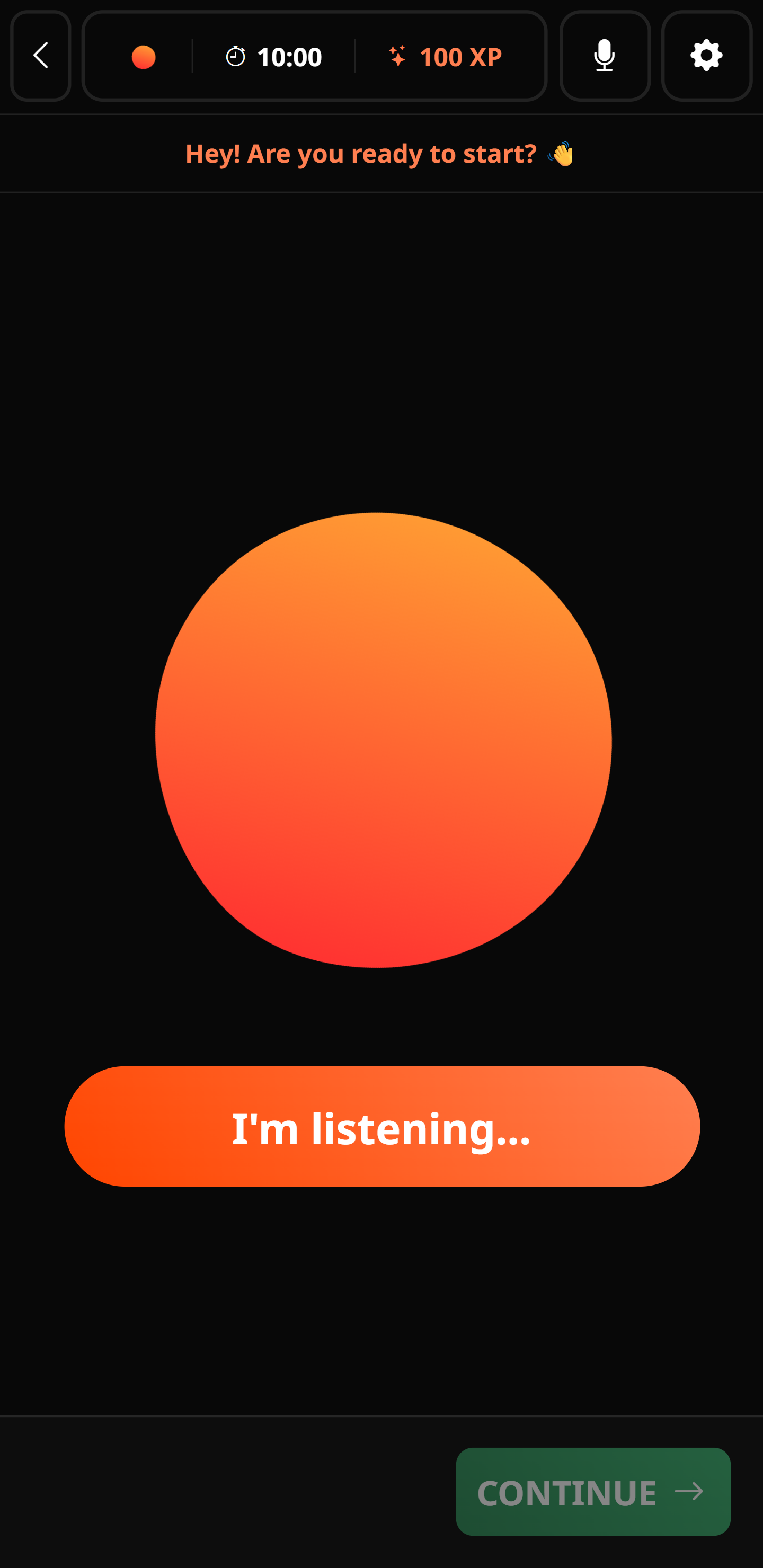
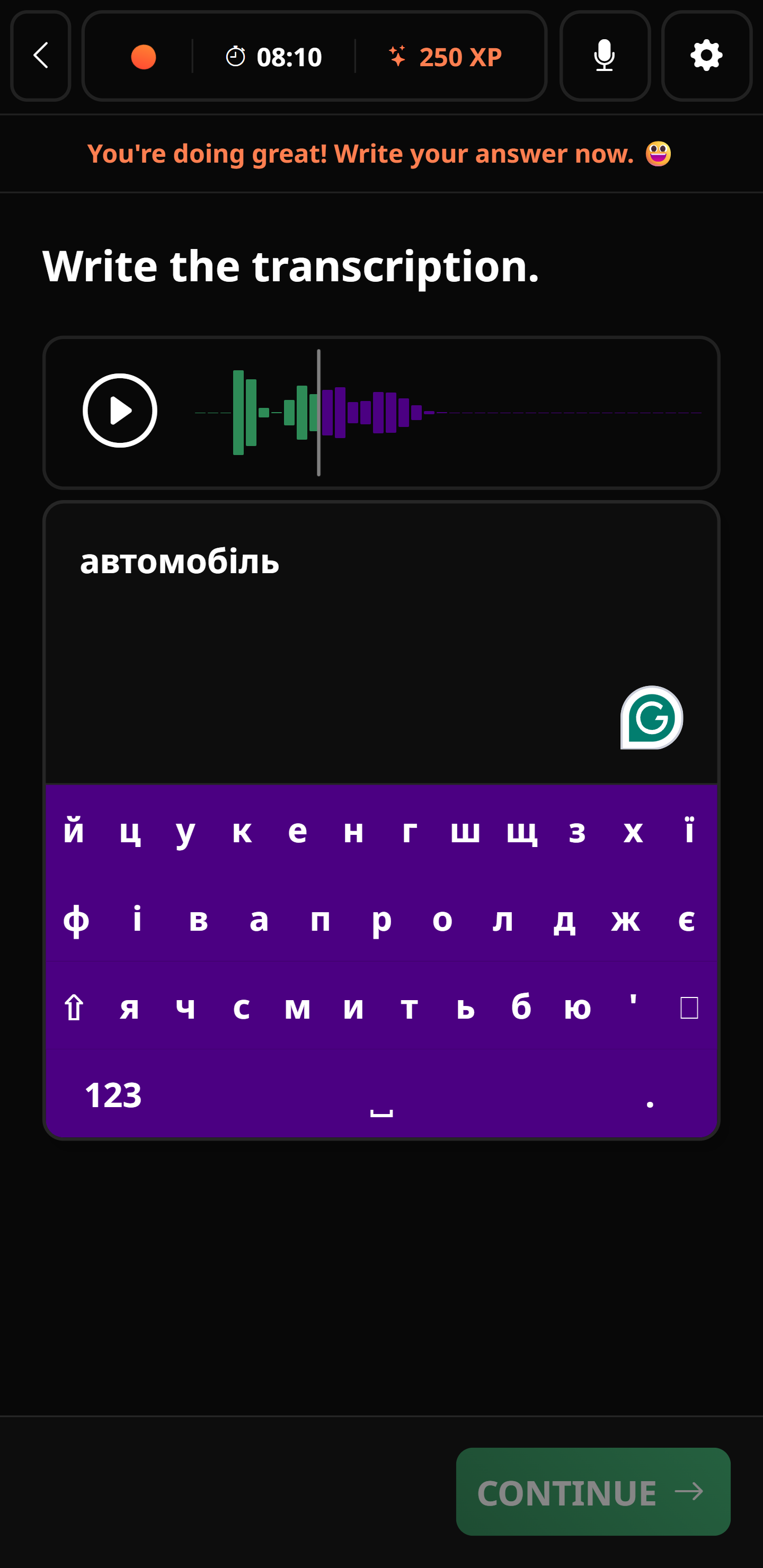
If you are tired of clicking buttons and want to start speaking, Univext is the undisputed leader in 2026. While Babbel treats you like a student in a classroom, Univext treats you like a person in a conversation. The core of the Univext experience is Umi, a sophisticated AI teacher designed to simulate real-world interactions while providing the pedagogical support of a human tutor.
What makes Univext the best Babbel alternative is its focus on "Active Output." In Babbel, you spend 90% of your time clicking and 10% of your time repeating pre-recorded phrases. In Univext, the ratio is flipped. Umi engages you in open-ended dialogues, asking you questions, reacting to your unique answers, and gently correcting your grammar and pronunciation in real-time. This isn't just a chatbot; it’s a comprehensive learning environment that adapts to your specific interests and weaknesses.
The flexibility of Univext is unmatched. Whether you want to practice ordering a coffee in Paris, debating politics in Berlin, or navigating a business meeting in Madrid, Umi adjusts the vocabulary and complexity to match your current level. You aren't stuck on "Lesson 4: The Kitchen"; you are talking about what matters to you. This relevance is what cements information in your long-term memory far more effectively than Babbel’s repetitive drills.
Univext supports a curated list of high-demand languages, ensuring that each course is deep and effective. You can dive into French, Spanish, Russian, Italian, German, Portuguese, Polish, Ukrainian, and English.
Unlike Babbel, which can feel like a chore, Univext feels like a breakthrough. You can feel your confidence growing as you realize you are actually sustaining a conversation. The platform offers a 14-day free trial with 30 minutes of conversation time per day, giving you plenty of time to experience the power of Umi before committing.
2. Duolingo — Best Free Alternative
Duolingo remains the most popular Babbel alternative for one primary reason: it is free. In 2026, Duolingo has doubled down on its gamification, using "streaks," leagues, and colorful animations to keep users coming back. If your goal is to get a basic introduction to a language without spending a dime, Duolingo is a solid starting point.
However, the "Duolingo Trap" is more real than ever in 2026. Because the app is designed to be a game, it often prioritizes engagement over actual proficiency. You might find yourself reaching a 500-day streak only to realize you can't form a spontaneous sentence. As we’ve explored previously, there are deep-seated reasons why Duolingo doesn't teach you to actually speak. It lacks the conversational depth that serious learners require.
3. Rosetta Stone — Best for Full Immersion
Rosetta Stone is the "old guard" of language learning. Its methodology is based on "Dynamic Immersion," which means there are absolutely no translations. You see a picture of a cat, and you hear the word for cat in your target language. In 2026, it remains a strong choice for people who want to train their brain to stop translating in their head and start thinking in the new language.
The weakness of Rosetta Stone is that it can feel incredibly slow and repetitive. It lacks any form of AI adaptation, meaning every user follows the exact same linear path regardless of their background or goals. It is also one of the most expensive Babbel alternatives on the market. While it’s great for building initial vocabulary, it struggles to help you master complex grammar or fluid conversation.
4. Busuu — Best for Community-Based Learning
Busuu distinguishes itself by incorporating a social element into its structured courses. Like Babbel, it offers lessons aligned with the CEFR (Common European Framework of Reference for Languages). The "killer feature" of Busuu is its community; you can record yourself speaking or write a text, and native speakers of that language will provide corrections and feedback.
While the community aspect is valuable, it has its drawbacks in 2026. The quality of corrections can vary wildly depending on who happens to see your post. Furthermore, while you get feedback on what you already said, Busuu doesn't provide much help in the moment of speaking. It is a great "Babbel Plus" experience, but it still feels like a traditional course rather than a modern, interactive AI tutor.
5. Pimsleur — Best for Audio-First Learners
For those who want to learn while driving, walking the dog, or doing chores, Pimsleur is the best audio-focused Babbel alternative. Its method is based on "Spaced Repetition Systems" (SRS) delivered through 30-minute audio lessons. It is exceptionally good at helping you master a near-perfect accent because you are constantly listening and repeating.
However, Pimsleur’s limitations are significant in 2026. It is almost entirely audio-based, meaning you won't learn much about reading or writing. It is also quite expensive and lacks the interactivity of modern apps. There is no AI to check your work or answer your questions; you are simply responding to a recorded voice. It’s a great supplemental tool, but it’s hard to use as your only learning method.
Become bilingual in 30 days with Univext!
Start a lesson with our teacher for free and become bilingual like our 100,000 students!
📊 Comparison Table: Babbel vs the Best Alternatives




Join more than 100,000 students learning on Univext
❌ What's Wrong with Babbel in 2026?
To understand why you need an alternative, we have to look at where Babbel is failing in the current technological climate.
1. Static Lessons That Don't Adapt Babbel is a "one-size-fits-all" product. Every user who signs up for "Spanish Beginner 1" sees the exact same slides, the same pictures, and the same exercises. In 2026, this feels incredibly dated. If you already know how to introduce yourself but struggle with the past tense, Babbel still makes you click through the stuff you already know. There is no intelligence behind the screen to realize your specific pain points and adjust the curriculum accordingly.
2. No AI — It’s a Pre-Recorded Course, Not a Tutor The world has moved toward AI-assisted learning, but Babbel remains stuck in the era of pre-produced content. When you use an app like Univext, the "teacher" is actually listening to what you say and constructing a response based on the logic of the language. When you use Babbel, you are just triggering a recording. If you have a question about why a certain grammar rule applies, Babbel can't explain it to you in the context of your own mistake.
3. Limited Speaking Practice Babbel markets its "speech recognition," but anyone who has used it knows its limitations. It uses basic "record and compare" technology. It checks if your pronunciation of a single word matches their recording. This is not speaking. Speaking is the ability to retrieve words from your brain and assemble them into a sentence to communicate a thought. Babbel never asks you to do this.
4. Price Increases Without Innovation Babbel’s pricing has continued to rise, yet the core user experience hasn't changed much in years. You are paying a premium for a library of static content that hasn't been updated to reflect the possibilities of 2026 technology.
5. The "Fluency Ceiling" Babbel is excellent at taking you from a total beginner to a "high beginner" (A2 level). But once you reach that point, the effectiveness drops off a cliff. To reach B2 or C1 (intermediate to advanced), you need massive amounts of varied input and output. Babbel’s rigid structure cannot provide the nuance required for advanced fluency.
🎯 How to Choose the Right Babbel Alternative
Choosing the right platform depends entirely on your personal learning style and your ultimate goals. Here is a breakdown of how to decide:
Want AI-powered conversation? → Choose Univext. If your goal is to actually talk to people on your next vacation or move abroad, Univext is the only choice that prepares you for the "pressure" of real conversation. You get the benefits of a private tutor without the $50/hour price tag. Pair with Univext for real speaking practice.
Want free gamified learning? → Choose Duolingo. If you just want to keep your brain active or get a very basic "feel" for a language, the free version of Duolingo is fine. Just be aware that you won't become fluent. Pair with Univext for real speaking practice.
Want full immersion? → Choose Rosetta Stone. If you hate grammar explanations and want to learn like a child (through pictures and sounds), Rosetta Stone is your best bet. Pair with Univext for real speaking practice.
Want community feedback? → Choose Busuu. If you enjoy the social aspect of learning and want humans to correct your writing, Busuu is a great choice. Pair with Univext for real speaking practice.
Want audio learning? → Choose Pimsleur. If you have a long commute and can't look at a screen, Pimsleur will help you nail the rhythm of the language. Pair with Univext for real speaking practice.
Become bilingual in 30 days with Univext!
Start a lesson with our teacher for free and become bilingual like our 100,000 students!
🚀 Why Univext is Our #1 Babbel Alternative
We believe Univext is the superior choice in 2026 because it solves the "missing link" in language learning: the transition from knowing words to speaking sentences.
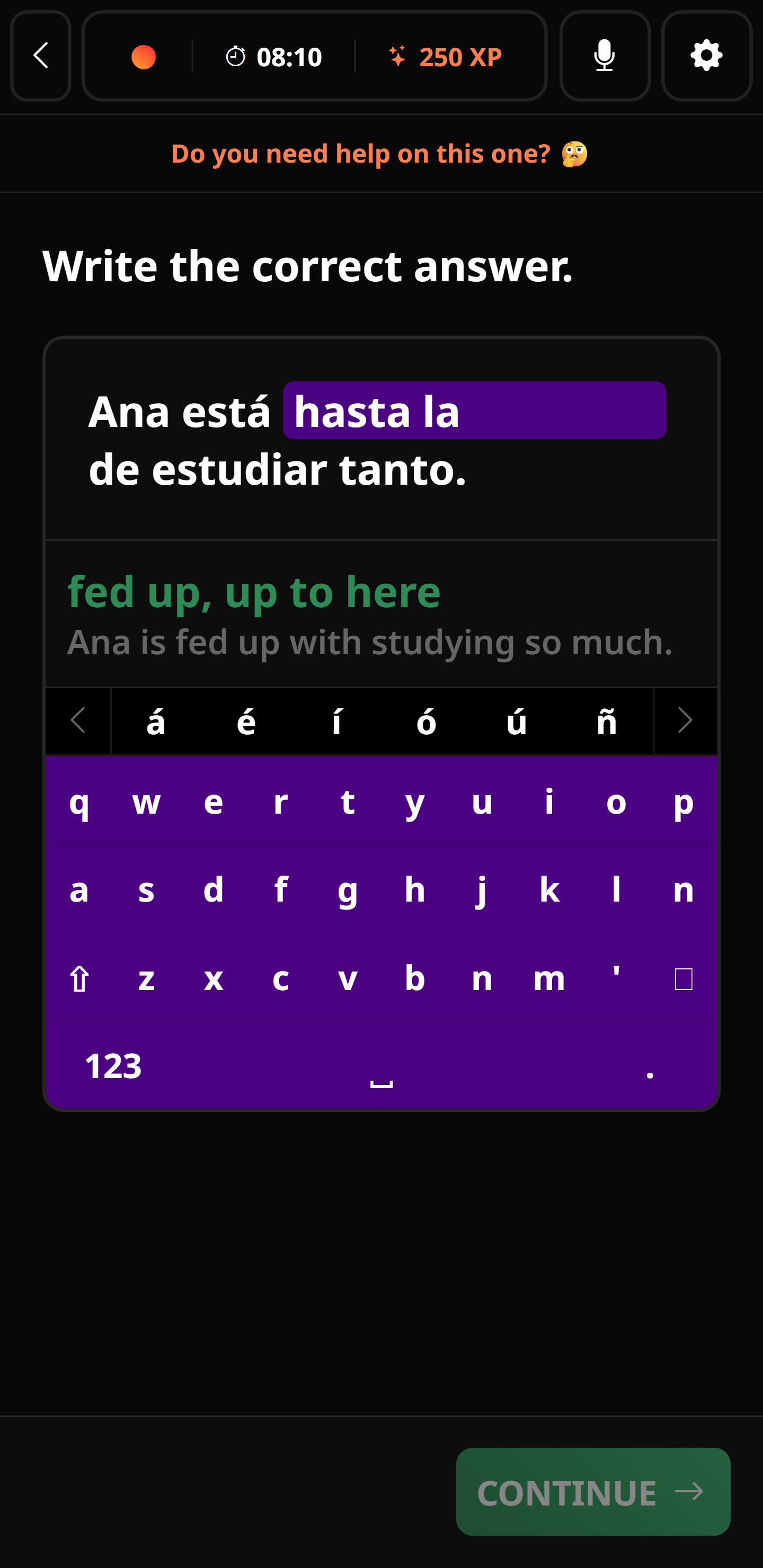
Where Babbel gives you a textbook, Univext gives you a conversation partner. Umi, our AI teacher, doesn't just grade you; she guides you. If you make a mistake with a gendered noun in French, Umi won't just put a red "X" on the screen. She will explain the mistake and then ask you another question that forces you to try that specific grammar point again in a new context.
This real-time adaptation is the closest thing to "neural rewiring" that exists in the app world. You are learning through experience, not through memorization. Univext combines the best parts of Babbel (structure and grammar) with the best parts of a private tutor (conversation and feedback).
With our 14-day free trial, you get 30 minutes a day of pure, unadulterated speaking practice. That’s 3.5 hours of conversation in your first week. Compare that to Babbel, where you might not say a single original sentence in a month.
Explore our deep-dive guides for specific languages:
- Learn French with AI
- Master Spanish Conversations
- Fast-Track Your German
- Speak Italian Naturally
- Portuguese for Travelers
Try Univext free for 14 days →
❓ Frequently Asked Questions
Is there a free version of Babbel?
Babbel does not have a truly free version. You can try the first lesson of every course for free, but to progress further, you must purchase a subscription. If you are looking for a free alternative, Duolingo is the most famous, but Univext offers a generous free trial that actually gets you speaking.
Is Babbel worth the price in 2026?
For most learners, the answer is "no." While the content is high-quality, the lack of AI-driven conversational practice makes it overpriced compared to modern alternatives like Univext. You are essentially paying for a digital textbook when you could be paying for an AI tutor.
What's cheaper than Babbel?
Duolingo and Busuu both have free tiers that are cheaper than Babbel. However, if you are looking for value-for-money, Univext provides significantly more "learning density" by focusing on speaking, which usually requires expensive private tutors.
Is Duolingo better than Babbel?
"Better" depends on your goal. Duolingo is better for casual, free learning. Babbel is better for structured grammar. However, neither is "best" for speaking. For that, you need a platform built on conversational AI.
Can you become fluent with Babbel?
It is very difficult to reach fluency using Babbel alone. You will gain a strong understanding of grammar and a decent vocabulary, but you will lack the "muscle memory" required for real-time conversation. Most successful Babbel users eventually have to switch to a tutor or an AI platform like Univext to achieve true fluency.
What makes Univext better than Babbel?
Univext is better because it is dynamic. Babbel is static. Univext allows for infinite conversational variations, personalized feedback, and real-time adaptation to your skill level. It moves you from "knowing" to "doing."
Join more than 100,000 students learning on Univext
✅ Conclusion
In 2026, you shouldn't be limited by the linear paths of a 2010s-era app. While Babbel served its purpose for a generation of learners, the "AI Revolution" in language learning has arrived.
If you want to stop clicking and start talking, you need an alternative that prioritizes your voice. Whether you choose the community of Busuu, the audio-focus of Pimsleur, or the groundbreaking AI technology of Univext, the important thing is to find a tool that challenges you to speak.
Ready to see what the future of language learning looks like?