

If you're searching for Wall Street English alternatives, you probably already know what you're looking for — and it usually isn't a different way to study grammar. It's a different commercial model.
Wall Street English has been around since 1972 and operates through a network of physical and franchised learning centres in dozens of countries. The teaching itself is a blended model: self-study material, small group encounters, and one-to-one time with a teacher inside a centre. That part works for a lot of people, and we'll be honest about why below.
The friction is almost always the same, and it's the reason this search exists: courses are typically sold as multi-level packages covering many months — often a year or more — with the price agreed upfront, sometimes financed through an instalment credit agreement. Public reviews and consumer forums across Italy, Spain and Latin America are full of learners describing the same experience: signing for a long commitment, and then finding that life changed before the course did. Moving city, changing jobs, a new baby, a schedule that no longer matches the centre's opening hours.
None of that means Wall Street English is a scam — it isn't, it's a long-established company with real teachers in real classrooms. It means the contract shape doesn't fit everyone. If you want to learn English without committing years and thousands upfront, this guide covers the five best alternatives in 2026.
Notes
Prices quoted below are typical ranges reported publicly by learners and by the providers themselves in 2026. Wall Street English pricing is not published centrally — it is set per centre and per country, so always ask for the full written contract before signing anything.
📊 Quick Comparison: Wall Street English vs The Alternatives
🚀 1. Univext — Best If the Contract Is the Problem
If what pushed you to search for an alternative is the length of the commitment and the size of the cheque, this is the most direct answer.
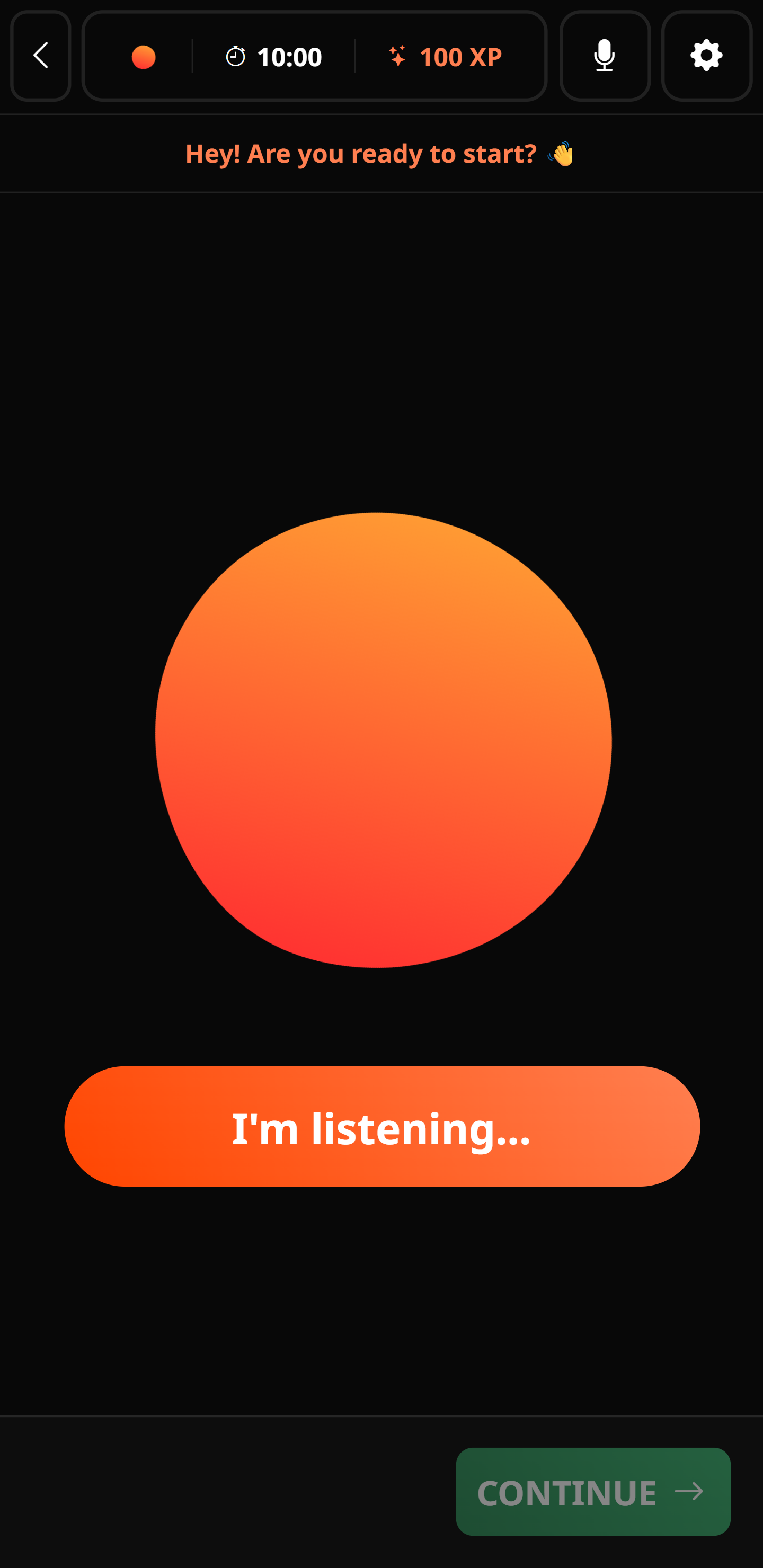
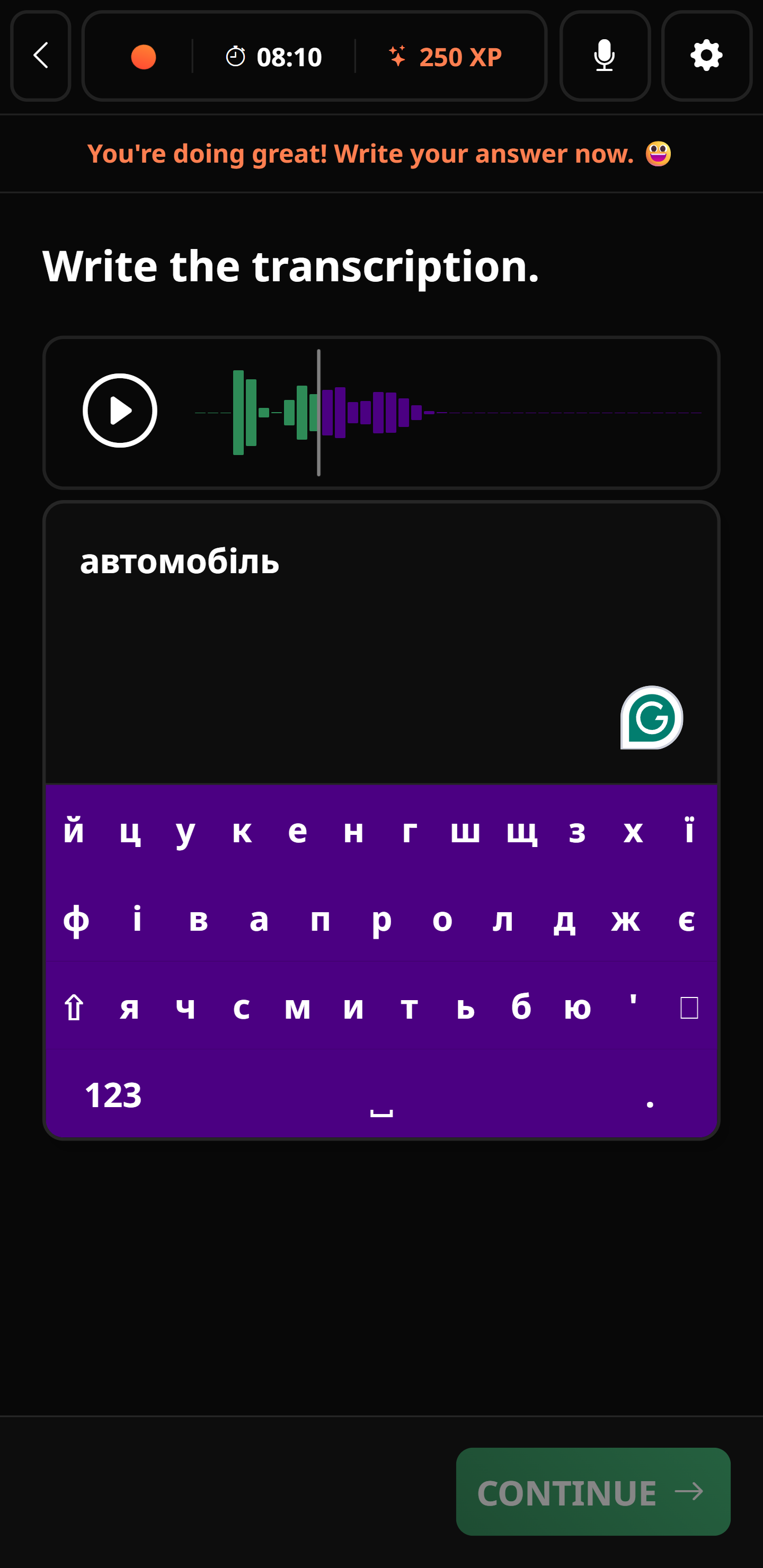
Univext's AI teacher, Umi, gives you structured English lessons with real spoken practice — you talk, Umi listens, corrects you, and keeps going. It runs on a monthly subscription you can cancel yourself, from your account, at any time. No centre to visit, no advisor to convince, no notice period, no financing agreement.
What you actually get
- A structured English course, not a chatbot — pronunciation and basic vocabulary first, then grammar, then real conversation, in a fixed progression
- Speaking every single day, whenever you have twenty minutes free — 6am before work, 11pm after the kids are asleep
- Correction in the moment, without a classroom of other adults hearing you get it wrong
- 12 languages on one subscription — if you start English and later want Spanish or German, you don't buy a second course
- 14-day free trial, 30 minutes a day, so you can test the whole thing before deciding
Who it's best for
Learners who want the speaking practice a centre offers, but cannot or will not commit to a multi-year contract — and people who tried a centre before and stopped going because the schedule stopped fitting.
Important
Start your 14-day free trial at univext.com/register — 30 minutes of English a day with Umi, and you cancel from your account whenever you want.
Univext also runs full courses in French, Spanish, Italian, German, Portuguese and Russian — all included in the same subscription. If you want the full breakdown of English apps specifically, we ranked them in Best Apps to Learn English in 2026.
Become bilingual in 30 days with Univext!
Start a lesson with our teacher for free and become bilingual like our 100,000 students!
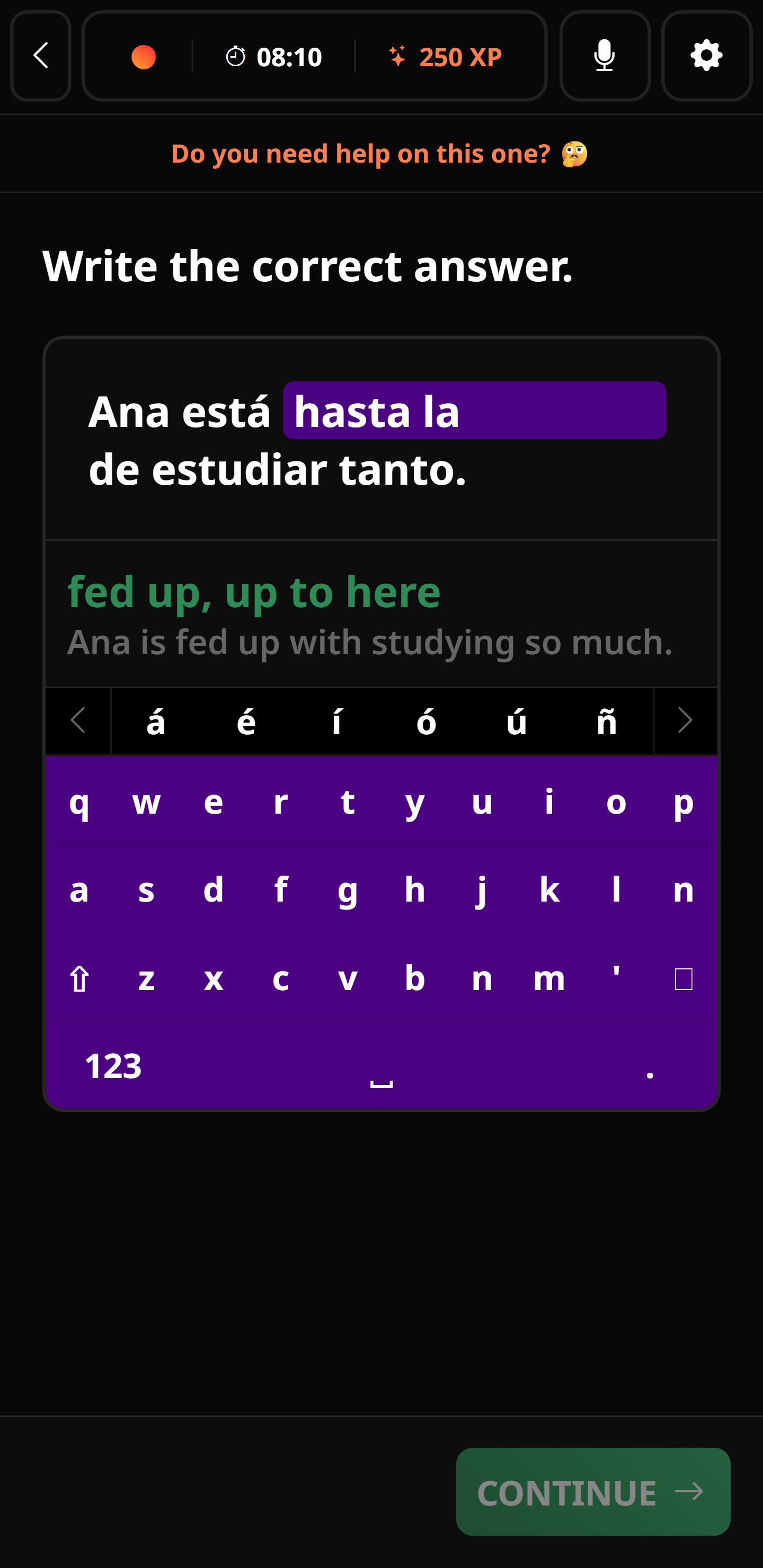
🎓 2. Lingoda — Closest Thing to a Centre, Without the Building
Lingoda is the alternative that keeps the most of what Wall Street English does well. You get live classes with certified teachers, small groups of three to five students, a CEFR-aligned curriculum so you always know your level — and it happens online, on a monthly plan.
Classes run around the clock, which solves the single biggest practical complaint about centre-based study: the centre is open when you are at work.
Lingoda vs Wall Street English
Pros: real teachers, real structure, real deadlines — and you can stop after a month.
Cons: at $15–$25 per class it adds up fast if you want daily practice, and you still have to book slots in advance.





Join more than 100,000 students learning on Univext
👨🏫 3. italki — Best for One-to-One, Paid Per Lesson
The private-teacher part of a centre package is what most people say they valued most. italki sells you exactly that part and nothing else: you browse teachers, see their rates, book a single lesson, and pay for that lesson.
Community tutors — native speakers doing conversation practice rather than certified teaching — start around $5–$10 an hour, which is where italki genuinely undercuts a centre.
Pros: no commitment at all, enormous choice of teachers, you can change teacher whenever you like.
Cons: you have to find a good teacher yourself, quality varies a lot, and daily one-to-one lessons cost far more per month than any subscription on this list.
🏫 4. A Local Independent Language School — If the Room Is the Point
This is the honest recommendation nobody selling software wants to make: if what you want is a physical room with other humans in it, an app is not going to give you that.
Independent local schools and municipal adult-education courses typically sell by term rather than by multi-year package. You get the classroom, the fixed evening slot that forces you to show up, the other students, and the teacher who notices when you've been absent — with a commitment measured in weeks, not years.
Example
In most European cities, a term of evening English classes at a municipal or independent school costs less than a few months of a centre package — and ends on a known date. Check what your city's adult education service offers before assuming a chain is the only option.
Pros: everything good about a centre, with a short commitment.
Cons: availability depends entirely on where you live, and levels are fixed — you go at the group's pace.
Become bilingual in 30 days with Univext!
Start a lesson with our teacher for free and become bilingual like our 100,000 students!
📱 5. Babbel — Cheapest Way to Keep the Grammar Going
Babbel is the low-cost, low-ambition option, and that's not an insult — sometimes low-ambition is exactly right. Ten-to-fifteen-minute lessons, solid grammar and vocabulary, around $7–$14 a month, cancel whenever.
What it does not give you is conversation. There's speech recognition, but no one is going to interrupt you and tell you that your sentence didn't work. If you left Wall Street English because you wanted more speaking, Babbel is a step in the wrong direction. If you left because you wanted to spend less and just keep ticking over, it's a reasonable landing spot.
✅ What Wall Street English Genuinely Gives You
Let's be fair, because pretending otherwise would make this guide useless.
A centre gives you three things that are genuinely hard to replicate:
- A room. Somewhere that isn't your kitchen table, where the only thing happening is English.
- A schedule. A booked slot on a Tuesday evening is a commitment your brain treats differently from "I'll do it later."
- Other people. Speaking English to a stranger who is also nervous is a specific kind of practice, and it builds a specific kind of confidence.
If those three things are what you need — and for some learners they absolutely are — then the right move is not an app. It's option 4 above: a local school, on a term contract.
Where the centre model breaks down is when the price of those three things is a multi-year commitment agreed in a single meeting. That's the trade the alternatives on this list are unpicking.
Join more than 100,000 students learning on Univext
💡 Which Alternative Is Right for You?
- You want daily speaking practice without a long contract → Univext
- You want live classes with a certified teacher, monthly → Lingoda
- You want one-to-one lessons, paid one at a time → italki
- You genuinely want a classroom and other students → a local school, by term
- You just want cheap grammar drilling → Babbel
For most people typing "Wall Street English alternatives" into Google, the honest answer is that they don't need a better centre — they need the same practice on terms they can leave.
Become bilingual in 30 days with Univext!
Start a lesson with our teacher for free and become bilingual like our 100,000 students!
❓ Frequently Asked Questions
How much does Wall Street English cost?
There is no single published price. Wall Street English operates through licensed centres, and the cost is quoted per centre, per country, and per package of levels — which is why you'll see wildly different figures reported online. Ask for the total amount, the number of months covered, and the cancellation terms in writing before signing.
Can I cancel a Wall Street English contract?
Cancellation terms are set in the contract you sign and vary by country, since consumer law differs. Many countries give you a statutory cooling-off period after signing. If you're considering cancelling, read your own contract first and check your national consumer-protection rules — and if the course was financed through a credit agreement, that agreement is a separate contract with its own terms.
Is an AI tutor really a substitute for a classroom?
For speaking practice and correction, increasingly yes — an AI tutor is available every day, doesn't judge you, and costs a fraction of scheduled human teaching. For the social and motivational side of a physical classroom, no. Be honest with yourself about which of the two you're actually missing.
What's the cheapest Wall Street English alternative?
Self-study apps like Babbel are cheapest at $7–$14 a month, but don't offer real conversation. Univext sits at roughly $15 a month and does include daily spoken practice with correction, which makes it the cheapest option that actually replaces the speaking part of a centre course.
Is Wall Street English worth it?
For some learners, yes — the structure and the physical classroom deliver results. We covered this in detail in our Wall Street English Review 2026. The short version: the teaching is real, and the question worth asking is not whether the course is good, but whether the contract fits your next two years.
🎯 Final Verdict
Wall Street English isn't a bad school. It's a long, expensive commitment sold in a single sitting, and that's a different problem — one that a lot of learners only notice six months later, when their life has moved and the contract hasn't.
If you want the speaking practice without the lock-in, start a 14-day free trial with Univext: 30 minutes of English a day with Umi, cancel from your account whenever you like. If what you really want is a classroom with other people in it, take the term-length course at a local school instead. Either way, you don't have to sign for two years to start speaking English.