

Ukrainian looks intimidating from the outside — a different alphabet, seven cases, verbs that seem to arrive in pairs for no reason. But almost none of that is difficulty. It is unfamiliarity, and unfamiliarity dissolves fast once someone shows you the shape of the system.
That is what this guide does. Not a 500-page reference — a map of the five things that make Ukrainian Ukrainian: the alphabet, the seven cases, three genders, verb aspect, and the sentence that has no verb at all. Learn these and every Ukrainian sentence you meet afterwards stops being noise and starts being a pattern you recognise. Let's walk through them.
🔠 The Alphabet Is the Gate — and It Takes Days, Not Months
Every learner's first hurdle is also the smallest one. The Ukrainian alphabet has 33 letters, and a third of them you already know.
Four of those letters are the ones that make Ukrainian look like Ukrainian rather than like Russian: і, ї, є and ґ. If you have seen Cyrillic before, those four are your tell.
The reward is immediate: Ukrainian spelling is far more consistent than English. Once you know the letters, you can pronounce almost any word you see — no silent endings, no -ough saying six different things.
Example
Try it: ресторан is "restaurant". Метро is "metro". Театр is "theatre". You are already reading Ukrainian.
Spend two or three focused days here. Everything after this point is easier if you are not still decoding letters. The letters get a shape-by-shape treatment in Ukrainian Alphabet: The Complete Guide to Master All Letters.
🧩 The Seven Cases: Ukrainian's Central Idea
This is the part that scares people, so here is the honest version: cases are not extra difficulty, they are a different place to put the information.
English shows a word's job through word order. "The dog bites the man" and "The man bites the dog" use identical words and mean opposite things — position does the work. Ukrainian marks the job on the ending of the word itself, which is why Ukrainian word order can move around freely without confusion.
Seven cases, seven jobs. One example each:
Watch one word move through it: книга (book) becomes книгу as an object, книги in the genitive, книзі in the locative. Same word, different ending, different job. That is the whole mechanism.
The seventh one is worth pausing on, because it is where Ukrainian differs from Russian: the vocative is alive and obligatory. You do not call someone by the plain form of their name — Оксана becomes Оксано , Петро becomes Петре . Using the nominative to address a person sounds blunt to a Ukrainian ear, and getting the vocative right is one of the fastest ways to sound like you actually learned the language.
Notes
You do not learn seven tables on day one. Learners get functional with nominative, accusative and locative — subject, object, location — which already covers most beginner sentences. The rest arrive naturally through use. The full breakdown lives in Ukrainian Cases: A Step by Step Guide To Master Them.
Become bilingual in 30 days with Univext!
Start a lesson with our teacher for free and become bilingual like our 100,000 students!
⚧ Three Genders — and You Can Usually Just Look
Every Ukrainian noun is masculine, feminine or neuter. Unlike French or German, Ukrainian mostly tells you which, right there in the ending.
Gender matters because the words around the noun have to agree with it. "New" changes shape three ways:
- новий стіл — a new table
- нова книга — a new book
- нове вікно — a new window
Same adjective, three endings. Learn each noun with a sample adjective attached and agreement becomes a habit rather than a calculation.




Join more than 100,000 students learning on Univext
⏳ Verb Aspect: The One Concept English Doesn't Have
If you take away a single idea from this guide, take this one. Ukrainian verbs come in pairs, and the pair is not about when something happened — it is about whether it finished.
- Imperfective — the action as a process, a habit, or something repeated. It answers "what were you doing?"
- Perfective — the action as a completed whole, with a result. It answers "what did you get done?"
Example
Я писав листа — "I was writing a letter" (maybe I never finished it). Я написав листа — "I wrote the letter" (it is done, it exists). English needs a whole tense to make that distinction. Ukrainian does it by choosing a verb.
This is genuinely new territory for an English speaker, and it is where a tutor earns their keep — aspect is learned by using it and being corrected, not by memorising a rule.
🚫 The Missing "Is": Ukrainian Sentences Without a Verb
Here is the rule that makes beginners laugh with relief. Ukrainian normally drops the present-tense "to be". You simply leave it out.
- Він лікар — literally "He doctor" = "He is a doctor"
- Це моя книга — "This my book" = "This is my book"
- Я вдома — "I at home" = "I am at home"
The form є does exist, and you will meet it in formal or emphatic sentences — but in everyday speech it vanishes. The past and future put a verb back: Він був лікарем — "He was a doctor".
The practical upshot: you can build true, correct Ukrainian sentences on your very first day, before you have conjugated anything.
Become bilingual in 30 days with Univext!
Start a lesson with our teacher for free and become bilingual like our 100,000 students!
🧠 The Whole System on One Page
Step back and look at what you now know:
- The alphabet — 33 letters, a few days' work, and then Ukrainian spelling is honest
- Seven cases — the word's ending carries its job, which is why word order is free
- The vocative — alive, obligatory, and the fastest way to sound native when you address someone
- Three genders — usually visible in the ending; adjectives agree
- Aspect — every verb is a pair: process versus completed
- No present-tense "to be" — the simplest rule in the language
That is the architecture. Everything else in Ukrainian — motion verbs, participles, numerals — is detail hung on this frame.
If you want to know what the road ahead actually costs you in hours, it is measured honestly in Is Ukrainian Hard to Learn? The Honest Answer.
🚀 Rules Become Reflexes Only When You Speak Them
You can read this page ten times and still freeze the first time someone asks you a question in Ukrainian. Every rule above — case endings, aspect, agreement, the vocative — is chosen in the half-second before you speak. That speed comes from one thing: talking, being corrected, and talking again.
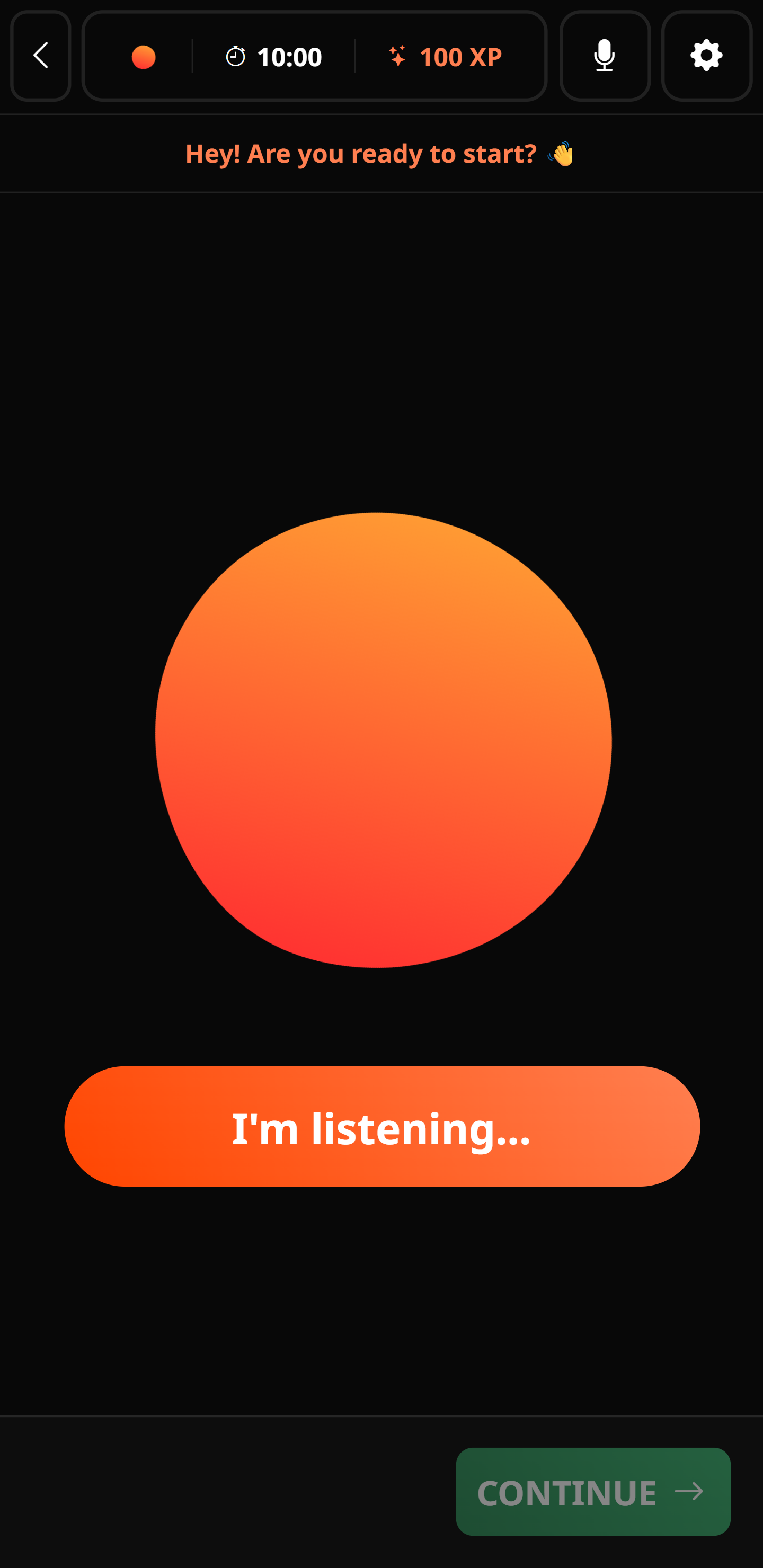
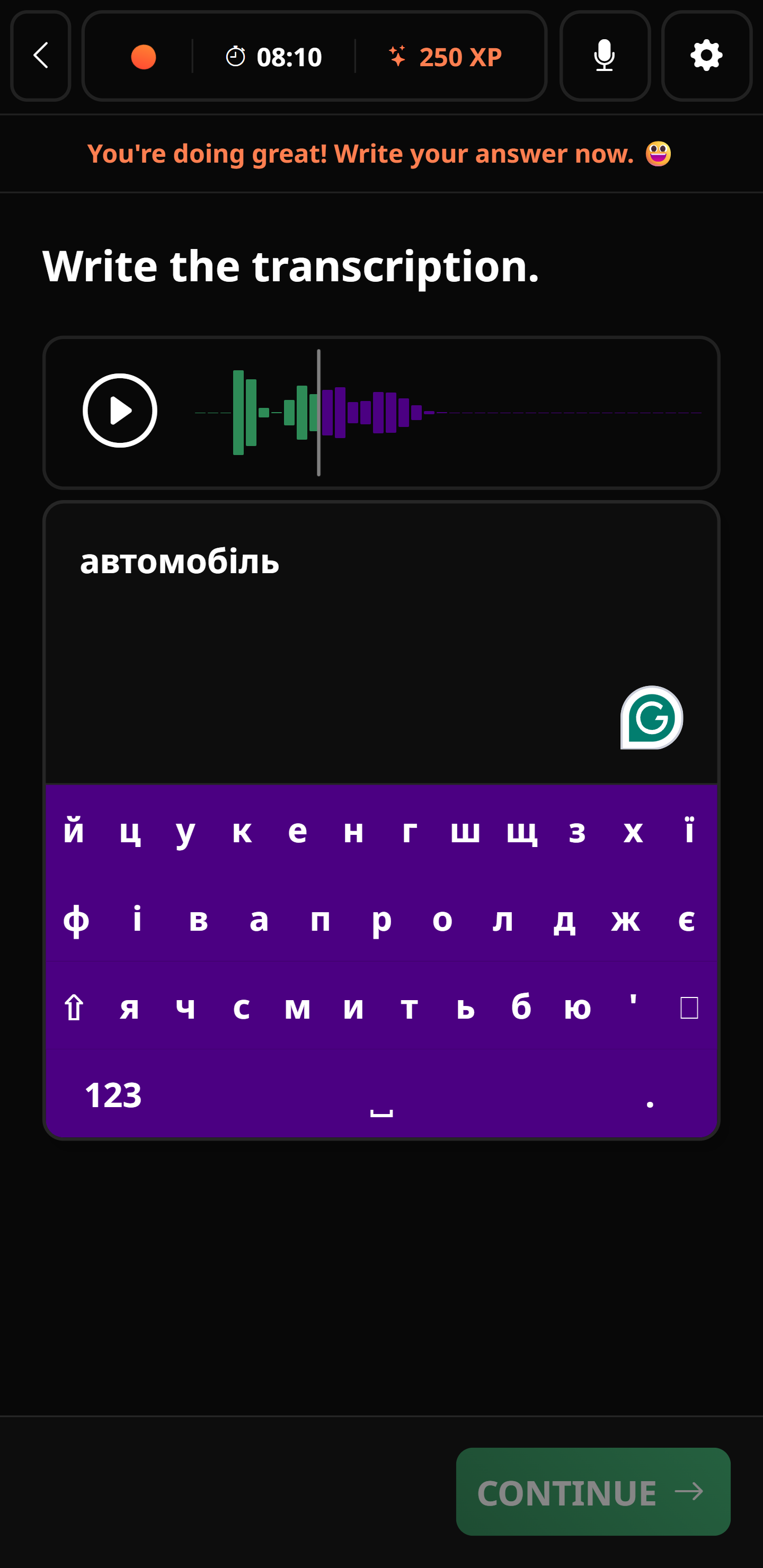
That is exactly what Umi, the AI tutor at Univext, is built for. Umi speaks Ukrainian with you from the first lesson, catches the wrong case ending the moment it leaves your mouth, and explains the aspect choice you just made — patiently, at your level, at any hour, without ever making you feel slow.
Important
Stop reading about Ukrainian grammar and start using it. Your first lesson with Umi is free — one tap and you are speaking: Start your free Ukrainian lesson →
You have the map now. Take the first step while the spark is still hot.