



Heading to Spain, Mexico, or anywhere across the Spanish-speaking world and worried about the language barrier? You're not alone. Whether you're wandering the streets of Barcelona, ordering tacos in Mexico City, or navigating the markets of Buenos Aires, knowing a few basic Spanish phrases can completely transform your travel experience.
The good news? Spanish speakers are famously warm and appreciative when visitors make an effort — even a simple "hola" and "gracias" can change the entire tone of an interaction. You don't need to be fluent. You just need the right phrases at the right time.
In this guide, we've compiled 50+ essential Spanish phrases organized by real travel situations: from greetings and restaurant orders to asking for directions and handling emergencies. Each phrase includes audio pronunciation so you can start practicing right away.
👋 Spanish Greetings and Basic Courtesy
First impressions matter everywhere. Starting a conversation with a proper greeting shows respect and opens doors — sometimes literally.
Important
Pro tip: Spanish has formal ("usted") and informal ("tú") ways to address people. With strangers, older people, and in formal settings, using "usted" shows respect and is always the safe choice.
🥘 Restaurant and Food Phrases
Eating is one of the great joys of any Spanish-speaking country. These phrases will help you navigate menus, order with confidence, and eat like a local.
Example
Ordering like a local: In Spain, "una caña" gets you a small draft beer, and "unas tapas" gets you small plates to share. Many bars give you a free tapa with every drink — just ask "¿Tienen tapas?"
Notes
Spanish menus vary by country. In Spain, "tortilla" is a potato omelette; in Mexico, it's a flatbread. When in doubt, ask "¿Qué lleva?" — "What's in it?"
Become bilingual in 30 days with Univext!
Start a lesson with our teacher for free and become bilingual like our 100,000 students!
🗺️ Asking for Directions
Google Maps can't always save you — especially in old town centers where narrow streets confuse GPS. These phrases will help when technology fails.
Example
Useful combo: "Perdón, ¿dónde está la estación?" — "Excuse me, where is the station?" This polite formula works for asking about anything: la farmacia (pharmacy), el hospital (hospital), el museo (museum).




Join more than 100,000 students learning on Univext
🛍️ Shopping Phrases
From markets to boutiques, these phrases will help you shop without awkward pointing.
🏨 Hotel and Accommodation
Check-in, check-out, and everything in between.
Become bilingual in 30 days with Univext!
Start a lesson with our teacher for free and become bilingual like our 100,000 students!
🚨 Emergency Phrases
Nobody plans for emergencies, but being prepared matters. These phrases could be genuinely important.
Important
In Spain and across the EU, the emergency number is 112. In Mexico it's 911, and in most of Latin America 911 also works. Save the local number before you travel.
🚆 Transportation Phrases
Getting around — whether by train, bus, or taxi — requires a few key phrases.
Notes
In Latin America, a bus ticket is often "un boleto" or "un pasaje" rather than "un billete." All are understood, but locals will smile if you use the regional word.
Join more than 100,000 students learning on Univext
💬 Numbers and Useful Extras
Numbers come up constantly — prices, addresses, phone numbers, ordering quantities.
Become bilingual in 30 days with Univext!
Start a lesson with our teacher for free and become bilingual like our 100,000 students!
🚀 How to Actually Learn These Phrases
Reading a phrase list is a great start — but if you can't pronounce them or recall them under pressure, they won't help you at the taco stand in Oaxaca.
Here's what actually works:
1. Listen and repeat. Spanish pronunciation is beautifully consistent — letters almost always sound the same way. But rolling the "r" and the rhythm of sentences take practice. Hearing native pronunciation is essential — use the audio buttons above.
2. Practice in context. Don't memorize isolated words. Practice complete sentences in realistic scenarios: ordering food, asking for directions, checking into a hotel.
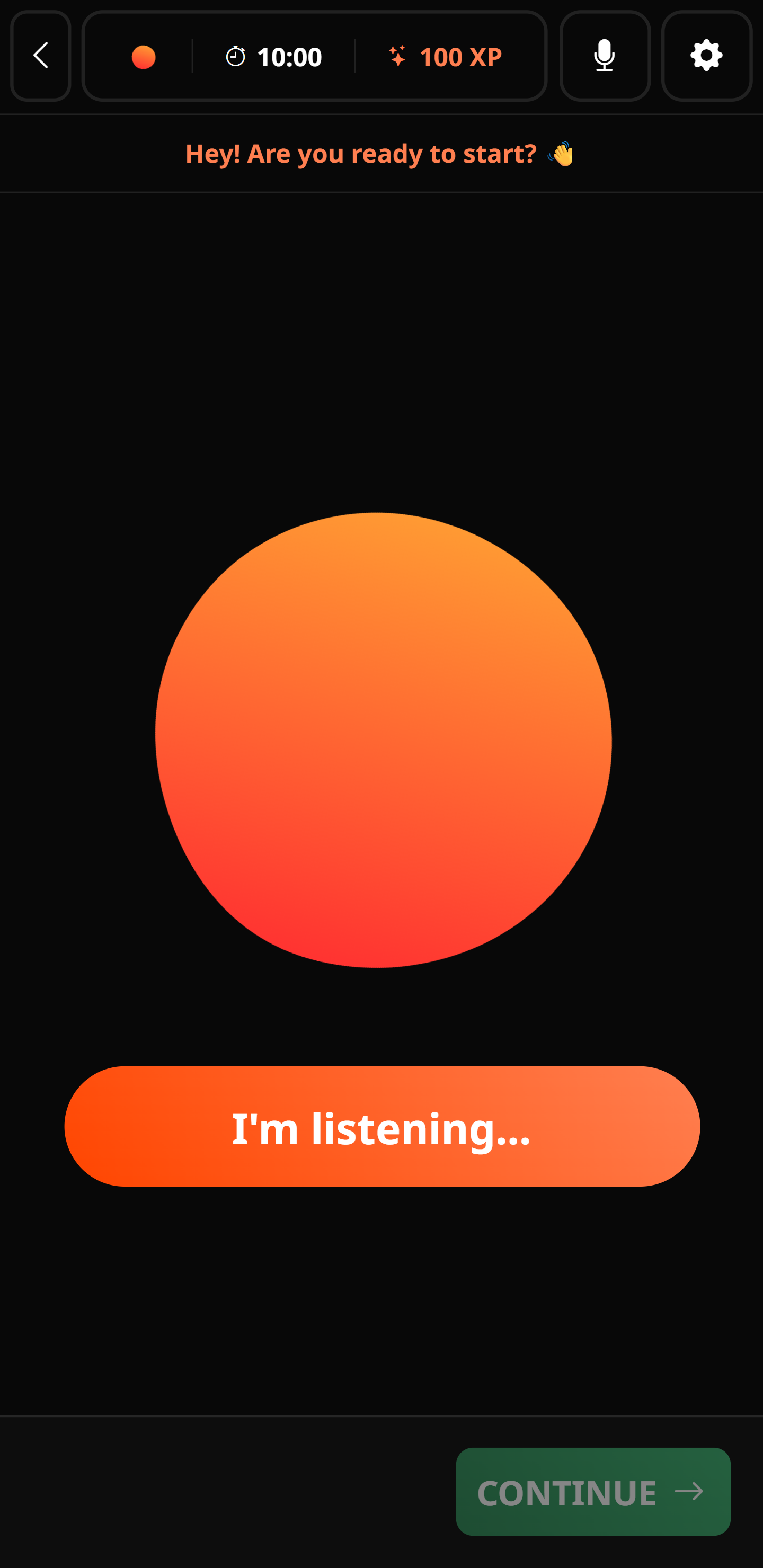
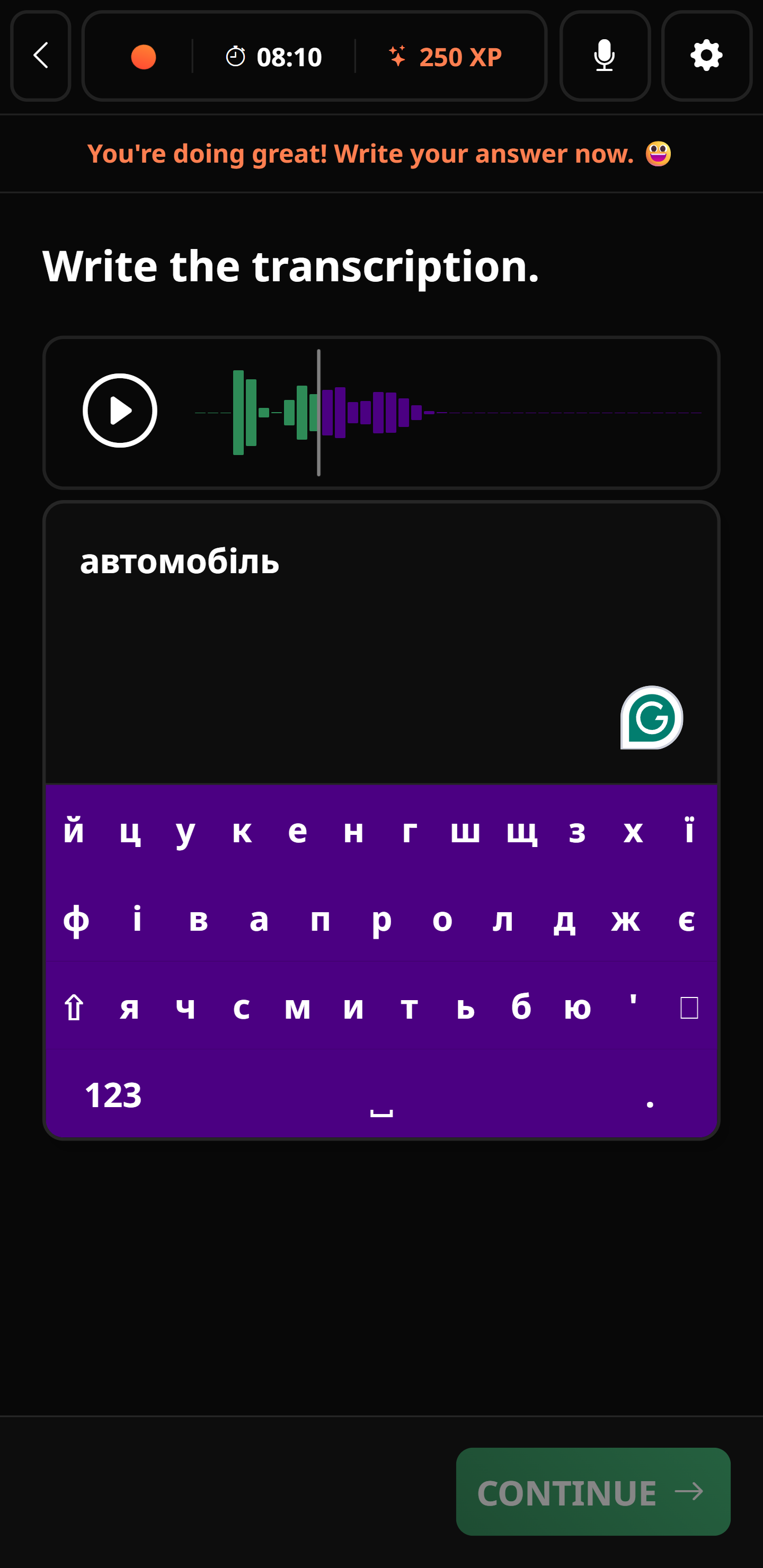
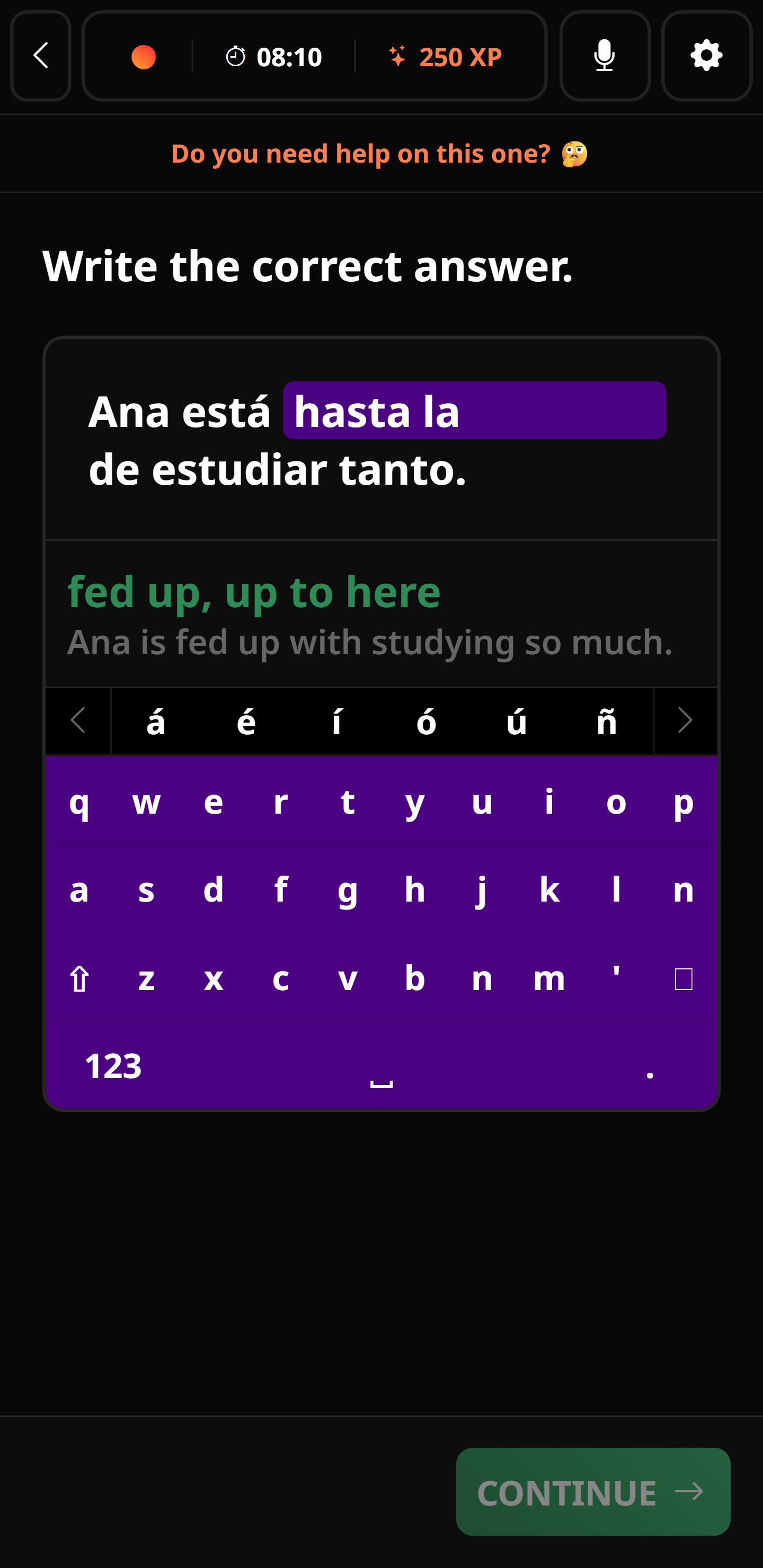
3. Use an AI tutor for conversation practice. Apps like Univext let you practice Spanish conversations with Umi, an AI teacher who speaks native Spanish and corrects your mistakes in real-time. It's like having a patient Spanish tutor available 24/7.
Important
Univext offers a 14-day free trial with 30 minutes per day — enough to practice every phrase in this guide before your trip. Start your free trial →
4. Focus on the 80/20 rule. The phrases in this guide cover roughly 80% of typical tourist interactions. You don't need to learn Spanish grammar — just these practical phrases spoken with confidence.
📊 Phrasebook vs App vs AI Tutor
Not sure which tool to use for your trip prep? Here's how the options compare:
Notes
A phrasebook gets you through basic transactions, but it can't teach you to understand Spanish responses. An AI tutor like Umi can simulate real conversations so you're not just speaking at people — you're speaking with them.
🌎 Cultural Tips That Go With the Language
Knowing the phrases is half the battle. Here are cultural norms that will help you use them correctly:
- Greet before asking. Always say "hola" or "buenos días" before asking a question. Jumping straight to "¿dónde está el baño?" without a greeting can come across as abrupt.
- Meals run late. In Spain, lunch is often 2 PM and dinner after 9 PM. Many restaurants don't open for dinner before 8 PM.
- Tipping is modest. In Spain, rounding up or leaving small change is normal — large tips aren't expected. In Mexico, 10-15% is more customary.
- Personal space is closer. Spanish speakers often greet with a cheek kiss (or two) and stand closer in conversation. It's a sign of warmth, not intrusion.
- "Usted" vs "tú" matters. When unsure, start formal with "usted." People will often invite you to switch to "tú."
Become bilingual in 30 days with Univext!
Start a lesson with our teacher for free and become bilingual like our 100,000 students!
🎯 Ready to Go Beyond Phrases?
These 50+ phrases will get you through your trip. But if you want to actually have conversations — understand what people say back to you, chat with your Airbnb host, or make friends at a local bar — you need real practice.
Univext gives you an AI Spanish tutor named Umi who speaks native Spanish, corrects your pronunciation, explains grammar when you need it, and adapts every lesson to your level. No textbooks, no memorization drills — just real conversation practice.
For a detailed comparison of Spanish learning tools, check out our guide to the best apps to learn Spanish in 2026. Already studying another language? We also cover French, Italian, German, Portuguese, Russian, Polish, Ukrainian, and English.
Important
Try Univext free for 14 days → Practice these Spanish phrases with Umi before your trip. 30 minutes a day is all you need.