😤 Is Spanish Hard to Learn? Let's Be Honest
You keep hearing Spanish is "easy" — then you open a verb table, see dozens of endings, and wonder if everyone was lying. So you googled it: — and got answers ranging from "you'll be fluent by summer" to "the subjunctive will break you."
Important
Here's the honest answer: Spanish is one of the EASIEST languages for English speakers to start — and it has a few genuinely tricky parts in the middle that make people quit. Most learners give up not because Spanish is hard, but because they were promised it would be effortless and got blindsided by verbs. Know what's actually coming, and it stops being scary.
Let's break down exactly what's hard, what's surprisingly easy, and how long it really takes — no sugarcoating, no fear-mongering.
🧗 The 4 Things That Make Spanish Genuinely Hard
1. Verb Conjugations (There Are a Lot)
English barely conjugates: I eat, he eats. Spanish changes the verb ending for every person and tense. One verb can have 50+ forms across all tenses.
Notes
The good news buried in here: the patterns are regular. Learn the endings for one -ar verb and you can conjugate hundreds. It's memorization, not chaos — and it clicks fast once you use them out loud instead of staring at a chart.
2. The Subjunctive — The Big Scary One
Ask any Spanish learner what scared them and they'll say the subjunctive. It's a "mood" English mostly lost, used for wishes, doubts, and emotions. The same verb shifts form when the meaning becomes hypothetical.
Notes
Here's the reframe: you don't need the subjunctive to be understood. Beginners communicate fine without it for months. You absorb it through hearing real sentences — "espero que...", "quiero que..." — long before you could explain the grammar rule. It's a conversation skill, not a memorization test.
3. Ser vs Estar — Two Words for "To Be"
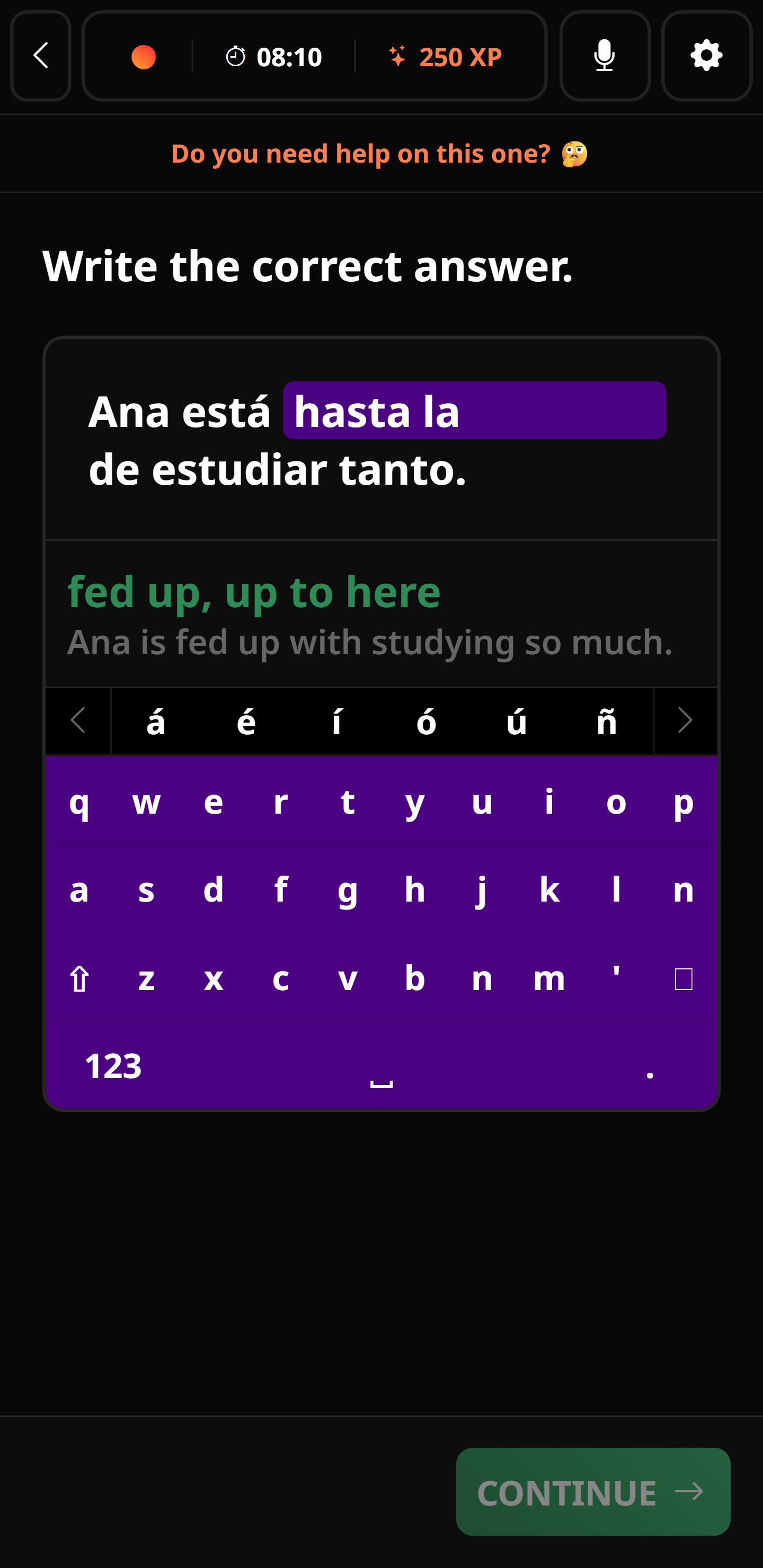
Spanish splits "to be" into two verbs. is for permanent traits, is for temporary states. Say the wrong one and you go from "I'm bored" to "I'm boring."
4. Speed & the Rolled R
Native Spanish is fast, and words blur together. And then there's the rolled — the trilled R that English mouths never trained for. Reading tends to outpace listening for most learners, and closing that gap takes real spoken practice, not more flashcards.
Become bilingual in 30 days with Univext!
Start a lesson with our teacher for free and become bilingual like our 100,000 students!
🎉 The Good News: What Makes Spanish EASIER Than Almost Any Language
Everyone warns you about verbs. Almost nobody tells you Spanish is genuinely easy in ways that put it among the fastest languages an English speaker can learn.
Example
The U.S. Foreign Service Institute ranks Spanish in its EASIEST category for English speakers — roughly 600–750 hours to professional proficiency, versus 2,200 for Japanese or Mandarin. You're starting the race near the finish line compared to most languages.




Join more than 100,000 students learning on Univext
⏱️ So How Long Does It Actually Take?
The honest number: Spanish is one of the fastest languages for English speakers to learn — but "fast" still isn't "overnight." Basic conversations come in weeks, comfortable everyday fluency in months of consistent practice.
We broke the real, honest timeline down — from your first survival phrases to genuine fluency — in a separate guide: How Long Does It Take to Learn Spanish? (Realistic Timeline). Read it before you set expectations.
Notes
The learners who succeed aren't the ones with more talent. They're the ones who practiced speaking a little every day instead of grinding verb tables in silence for six months and burning out right before the subjunctive.
💡 How to Make the Hard Parts Manageable
The reason Spanish feels harder than promised is usually the method, not the language. Silent apps and grammar textbooks leave you drilling conjugation charts, unable to actually speak, and panicking about the subjunctive. Here's what actually works:
- Speak from day one. Conjugations and ser/estar stick when you use them, not when you memorize tables.
- Don't chase the subjunctive early. Communicate first; the mood comes naturally from hearing real sentences.
- Train your ear on purpose. Listening speed only improves by listening — to people, not apps in silence.
- Don't wait until you're "ready." You never will be. Start talking badly, get corrected, improve.
Important
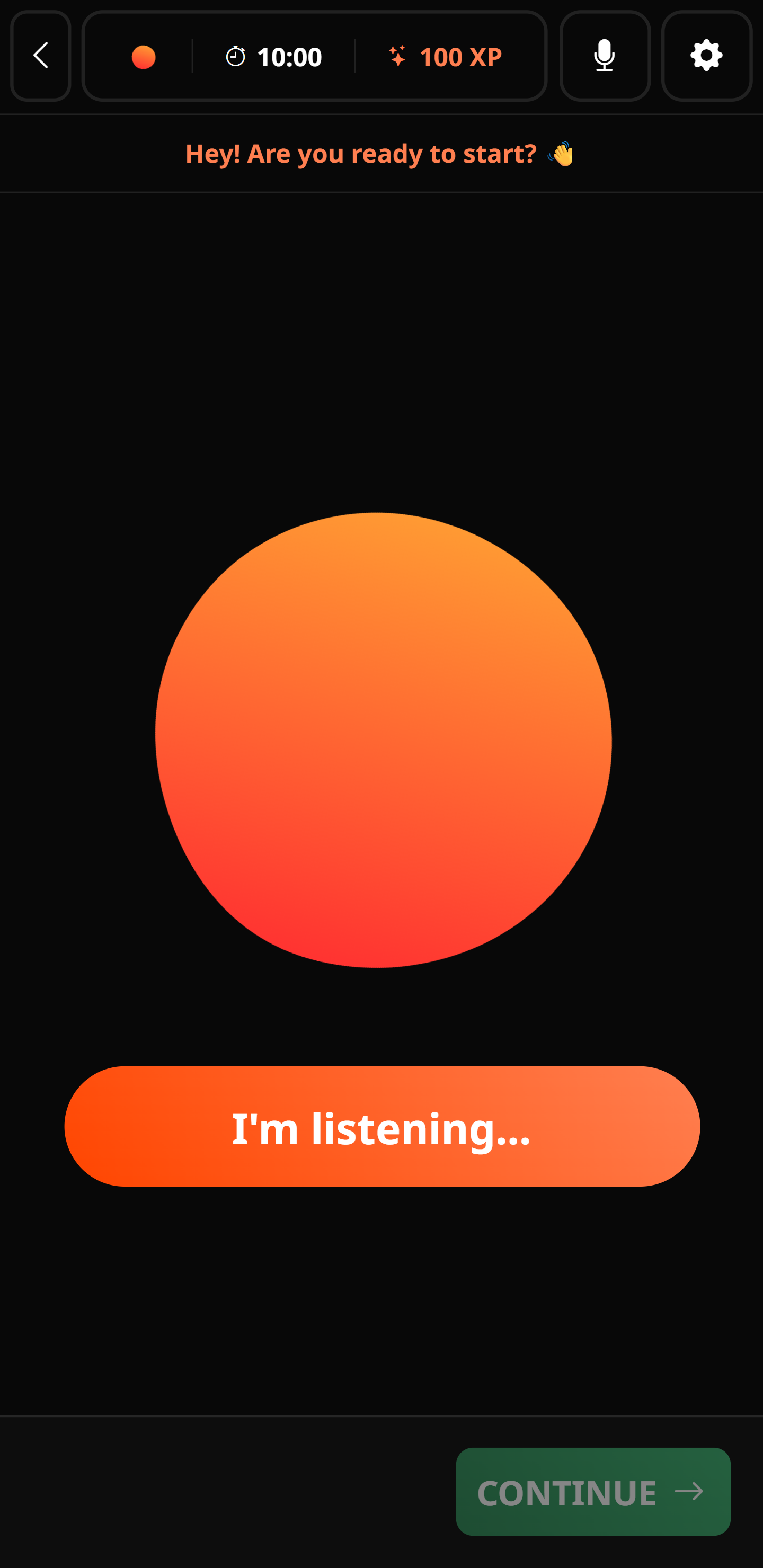
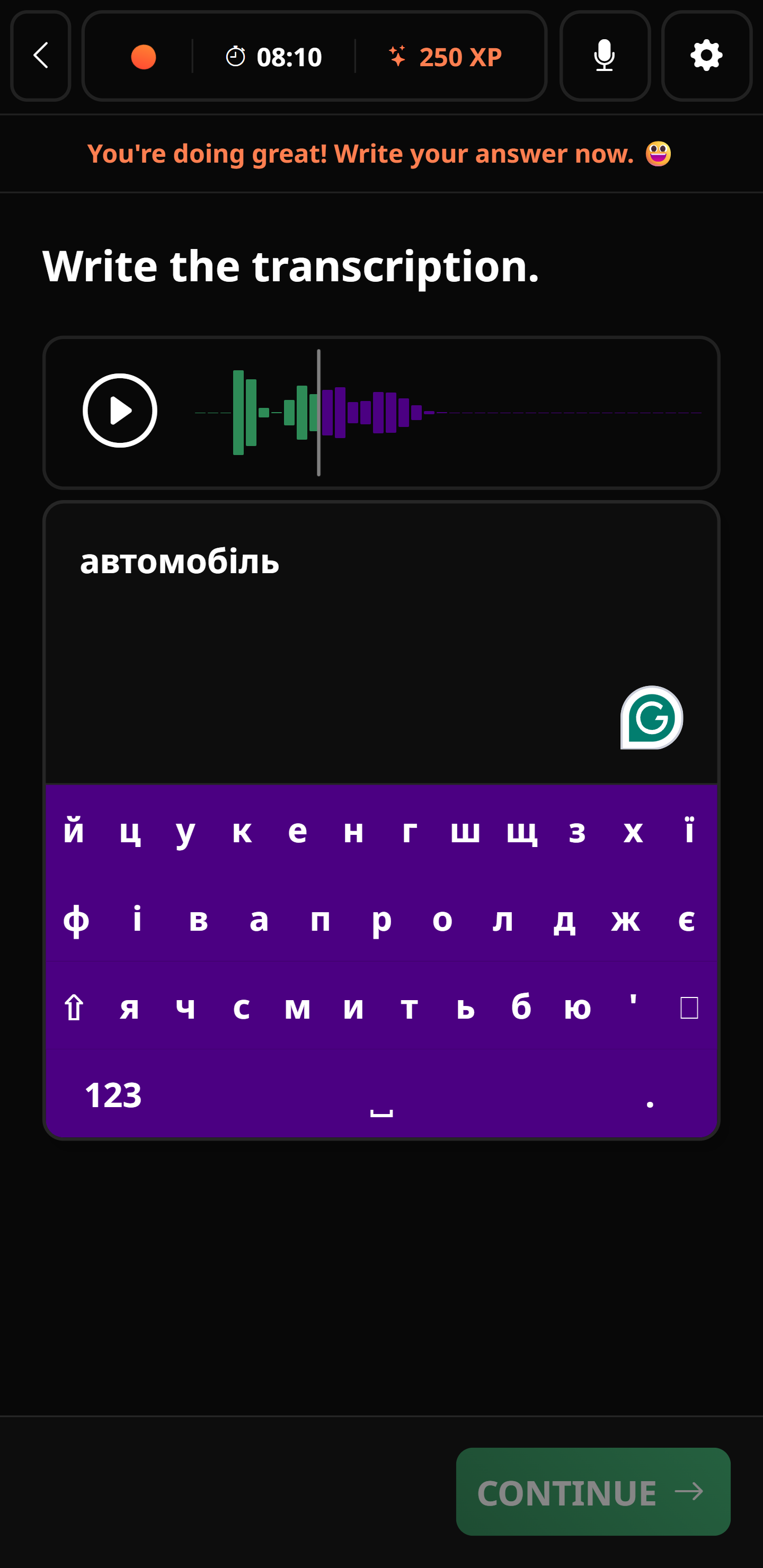
This is exactly where an AI tutor changes the game. With Univext's Umi, you practice speaking real Spanish from your very first lesson — Umi corrects your ser/estar gently, drills conjugations in real conversation, adapts to your pace, and never once judges you for a mistake. It's available 24/7 for a fraction of a private tutor. Try it free for 14 days, 30 minutes a day.
Become bilingual in 30 days with Univext!
Start a lesson with our teacher for free and become bilingual like our 100,000 students!
📊 Spanish vs Other Languages: The Honest Comparison
Notes
Spanish trades a handful of tricky grammar points (subjunctive, ser/estar) for a huge head start: clean spelling, familiar vocabulary, no cases, no new alphabet. It's not "the hardest language" — it's one of the easiest, with a couple of speed bumps in the middle.
❓ Frequently Asked Questions
Is Spanish really one of the easiest languages to learn? For English speakers, yes. The Foreign Service Institute ranks it in its easiest category — thanks to shared vocabulary, phonetic spelling, and the Latin alphabet. The tricky parts (verb conjugations, the subjunctive) come later and are very learnable.
What's the hardest part of Spanish? Most learners point to the subjunctive mood and choosing between ser and estar. Both feel abstract on paper but become intuitive through conversation — you don't need either to start speaking.
How long until I can hold a conversation in Spanish? With consistent daily speaking practice, basic conversations come within a few weeks to a couple of months. Comfortable fluency takes longer — see our realistic Spanish timeline for honest numbers.
What's the best way to learn Spanish in 2026? Daily speaking practice with instant feedback beats silent flashcard grinding every time. See our guide to the Best Apps to Learn Spanish in 2026 for a tested comparison.
Join more than 100,000 students learning on Univext
✅ Conclusion: Easy to Start, Worth Finishing
Spanish is one of the easiest languages an English speaker can pick up — phonetic, full of familiar words, no new alphabet, no cases. What trips people up is the middle: conjugations, the subjunctive, ser vs estar, and native speed. All of them are learnable, and none of them require talent — just the right method.
The people who succeed aren't smarter. They stopped drilling verb tables in silence, started speaking early, and practiced a little every day.
Important
You don't have to figure this out alone. Try Univext free for 14 days — practice real Spanish with Umi, get your conjugations and pronunciation corrected gently, and turn "Is Spanish hard?" into "I'm actually doing this." Start your first lesson now →