

Poland is having a moment. With a booming tech sector, one of the strongest economies in Central Europe, and a cost of living that remains dramatically lower than Western Europe, the country is drawing a new wave of expats, digital nomads, and professionals. Search interest in "moving to Poland" has grown steadily, and cities like Warsaw, Kraków, and Wrocław are now competing with Berlin and Lisbon as top destinations for relocation.
But here is what most newcomers underestimate: Poland is not Scandinavia. While younger Poles in big cities often speak excellent English, the moment you step into a government office, a doctor's surgery, a landlord's apartment, or a small-town bakery, you are in Polish-only territory. The bureaucracy is dense, the paperwork is endless, and the language is famously difficult. Arriving without any Polish is not just inconvenient—it can make your first months genuinely miserable.
The good news? You do not need to be fluent before you board the plane. But reaching a basic conversational level will transform your experience from survival mode into actual enjoyment. And with modern AI tutoring, getting there is faster and cheaper than you think.
🇵🇱 Why You Need Polish Before Moving to Poland
Many English-speaking expats assume they can navigate Poland in English alone. In Warsaw's tech scene or Kraków's tourist center, you might manage for a while. But "managing" is not living. Here is what you will face without Polish:
The bureaucratic wall. Registering for a PESEL number (Poland's national ID number), applying for a karta pobytu (residence card), or registering at the Urząd Miasta (city hall)—all of this happens in Polish. Forms are in Polish. The clerks speak Polish. The automated phone systems are in Polish. You will need to produce documents like a zaświadczenie o zameldowaniu (certificate of registration) and understand the difference between pobyt czasowy (temporary residence) and pobyt stały (permanent residence).
The housing hunt. Rental listings on OLX and Otodom are written in Polish. Your właściciel (landlord) will present you with an umowa najmu (rental agreement) in Polish. You need to understand czynsz (rent), kaucja (deposit), and opłaty za media (utility charges). Signing a contract you cannot read is a risk no expat should take.
The social barrier. Poles are incredibly warm and hospitable—once you get past the initial reserve. But that warmth is unlocked through their language. A simple "Dzień dobry" (good day) or "Dziękuję" (thank you) at the local sklep (shop) changes how people treat you. Speaking even basic Polish signals respect, and Poles notice it immediately.
Notes
Unlike in France or Germany, where locals might switch to English if your attempts are clumsy, many Poles outside major cities simply cannot switch—they do not speak English well enough. Your Polish is not optional; it is your only communication channel.
📊 How Much Polish Do You Actually Need?
Polish has a reputation as one of the hardest European languages for English speakers—and it is earned. The US Foreign Service Institute classifies it as a Category IV language, requiring roughly 1,100 hours of study for professional proficiency. But you do not need professional proficiency to live well. Here is what each CEFR level unlocks for your daily life:
Example
Example of useful A2 Polish: "Przepraszam, szukam najbliższego urzędu pocztowego. Czy może mi Pan/Pani pomóc?" (Excuse me, I am looking for the nearest post office. Can you help me?)
The main challenges in Polish are the seven grammatical cases (which change word endings depending on context), the consonant clusters (like "szcz" in szczęście—happiness), and the aspect system for verbs (where almost every verb has two forms depending on whether the action is completed or ongoing).
The good news: Polish pronunciation is actually very regular. Unlike English or French, Polish words are pronounced exactly as they are written. Once you learn the rules, you can read anything out loud correctly—even words you have never seen before.
The realistic target: Aim for a solid A2 to early B1 before your move. This covers about 80% of daily interactions and gives you enough foundation to accelerate through immersion once you arrive.
Become bilingual in 30 days with Univext!
Start a lesson with our teacher for free and become bilingual like our 100,000 students!
🚀 The Best Way to Learn Polish Before Your Move
Polish is a niche language in the language-learning world. The big players like Duolingo and Babbel offer Polish courses, but they are noticeably thinner than their Spanish or French offerings—fewer lessons, less audio content, and almost no conversational practice. Finding a private Polish tutor on iTalki is possible, but sessions typically run $20–$40 per hour, and finding one in your timezone can be difficult.
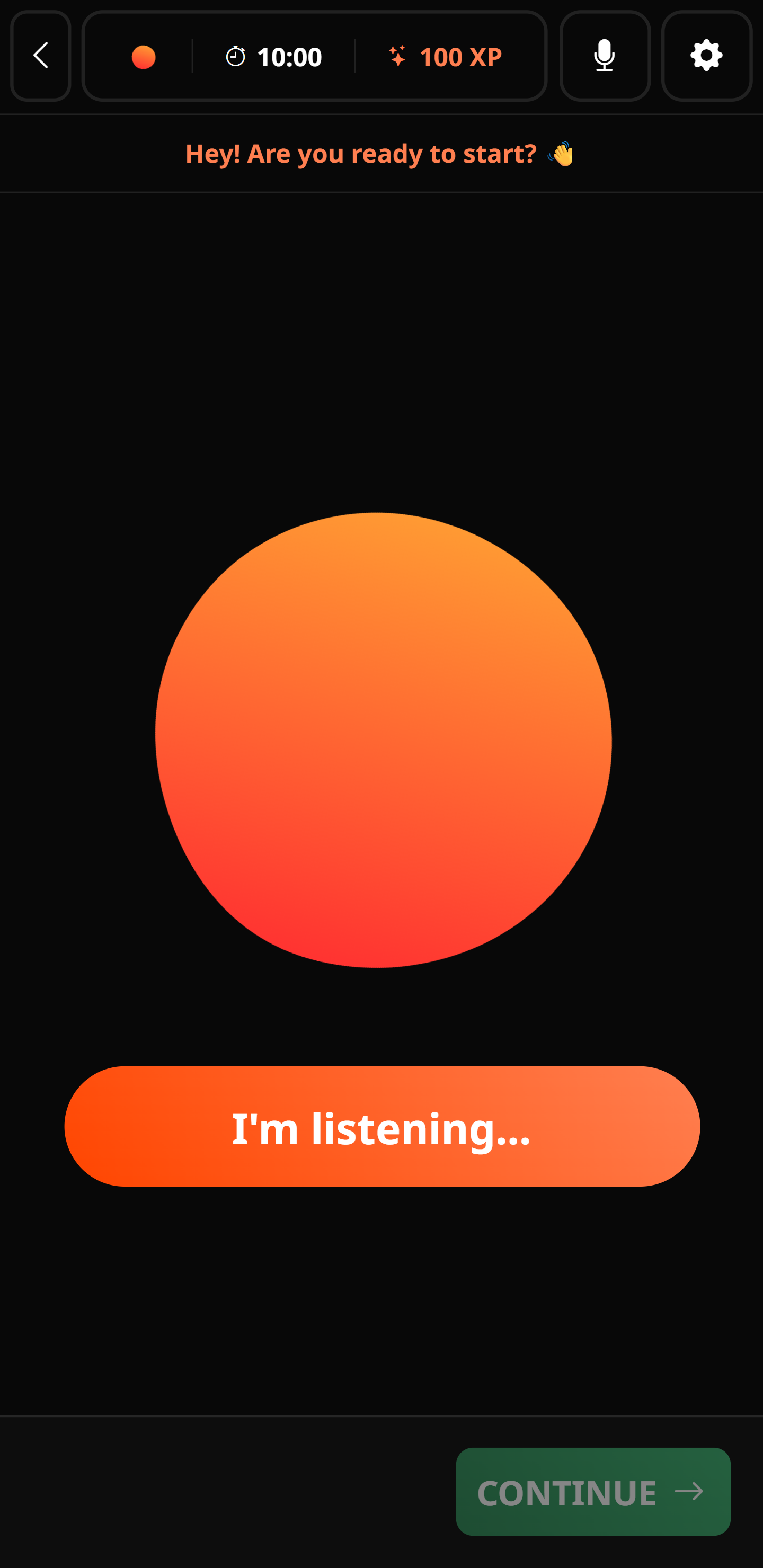
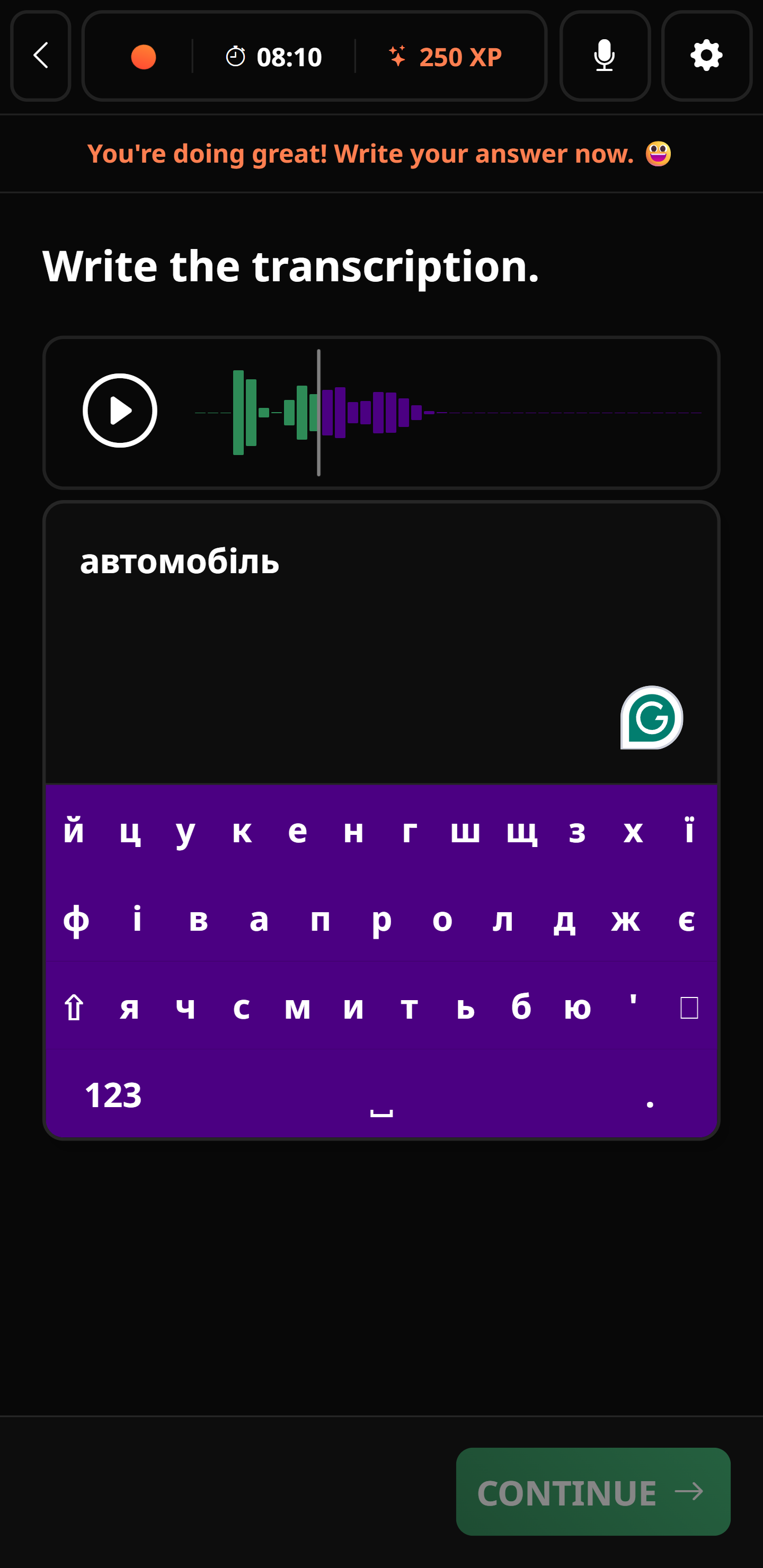
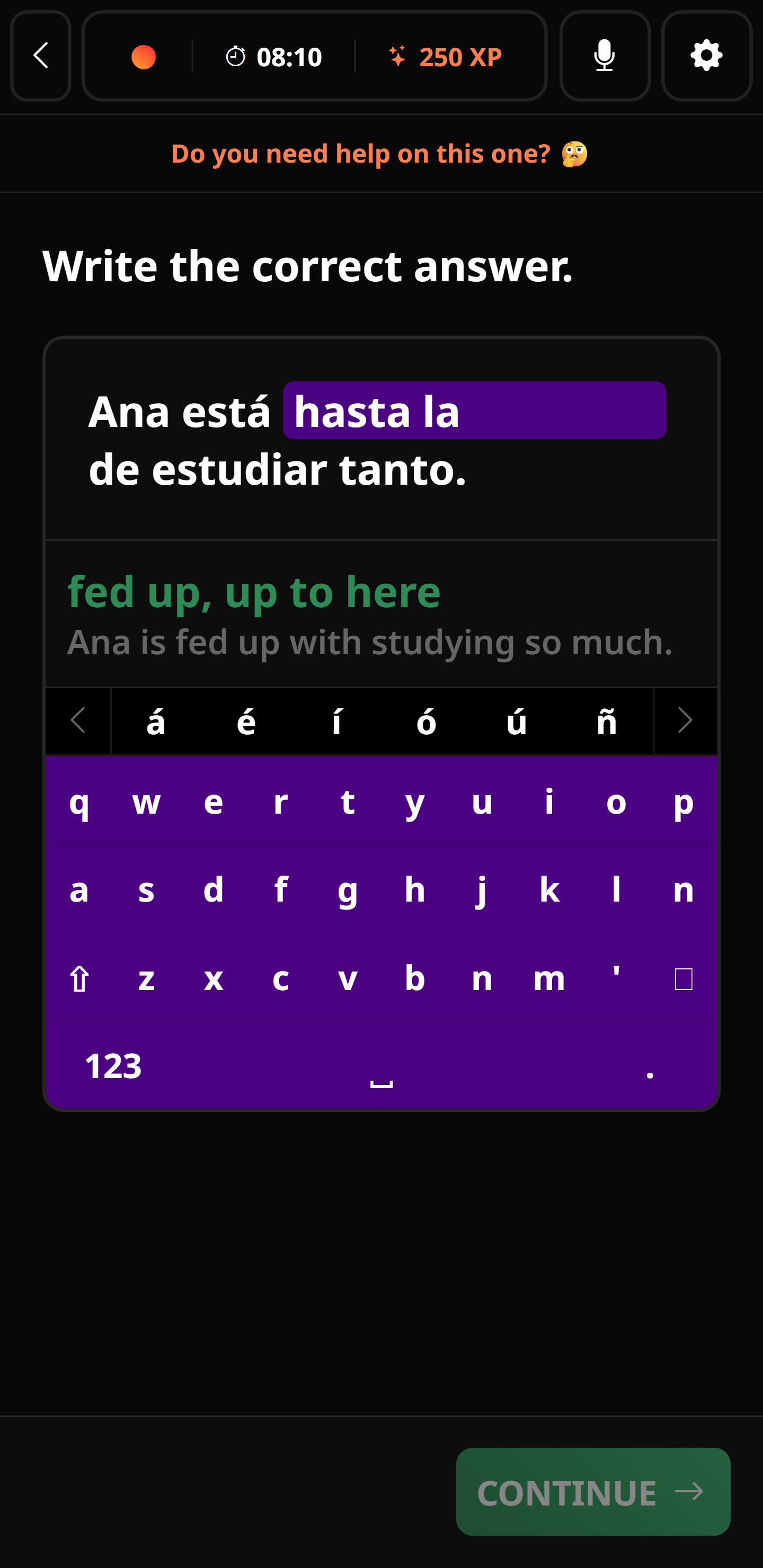
This is where Univext stands out. Univext's AI teacher, Umi, offers unlimited conversational practice in Polish, available 24/7. Unlike gamified apps that teach you to match pictures, Umi engages you in real dialogue—correcting your grammar, explaining case endings, and adapting to your level in real time. For a language as grammatically complex as Polish, this kind of responsive, patient practice is invaluable.
For a detailed comparison of all options, check out our guide: Best Apps to Learn Polish in 2026 (Tested & Ranked).
Important
Start your free 14-day trial on Univext — practice real Polish conversations with Umi, your AI teacher, 30 minutes a day. Try Univext free




Join more than 100,000 students learning on Univext
🎯 What to Focus On: Polish for Expat Life
Generic Polish courses teach you to talk about the weather and order food. That is fine, but your first weeks in Poland will require a very specific kind of vocabulary. Here is what to prioritize:
1. The PESEL and Zameldowanie Your first stop is usually the Urząd Miasta or Urząd Gminy to register your address (zameldowanie) and get your PESEL number. You need to understand forms that ask for your imię (first name), nazwisko (surname), adres zamieszkania (residential address), and obywatelstwo (citizenship).
2. The Housing Search Polish rental listings use abbreviations you need to decode: m² (square meters), p. (floor—piętro), umeblowane (furnished), bez pośredników (no agency fee). When viewing apartments, you will discuss czynsz administracyjny (building maintenance fee—separate from rent), rachunki (bills), and whether the pralka (washing machine) is included.
Example
Practice this phrase for apartment viewing: "Ile wynosi czynsz miesięcznie, łącznie z opłatami za media?" (How much is the monthly rent, including utility charges?)
3. Healthcare and Emergencies You will need to register with the NFZ (Narodowy Fundusz Zdrowia—National Health Fund) or find private healthcare (prywatna opieka zdrowotna). At the doctor (lekarz), you need to describe symptoms: "Boli mnie głowa" (My head hurts), "Mam gorączkę" (I have a fever), "Potrzebuję recepty" (I need a prescription).
4. Daily Etiquette Poles use formal address (Pan/Pani—Sir/Madam) far more than English speakers expect. At a shop, with a stranger, or at the doctor, always use the formal form until invited to switch to ty (informal you). Saying "Dzień dobry" when entering any space—a shop, a waiting room, an elevator—is expected and noticed when absent.
💡 5 Tips to Accelerate Your Polish
1. Start speaking immediately with Univext's Umi. Polish grammar is intimidating on paper—seven cases, three genders, complex verb conjugation. But speaking is different from studying grammar tables. Start having basic conversations from week one. You will absorb patterns naturally that would take months to memorize from a textbook.
2. Master the sounds early. Polish has sounds that do not exist in English: the nasal vowels ą and ę, the "sz/cz/rz/ż" series, and the soft consonants like ś, ć, ń. Spend your first two weeks drilling these. Once your mouth learns the positions, everything else becomes easier.
3. Learn cases through phrases, not tables. Instead of memorizing "nominative, genitive, dative, accusative, instrumental, locative, vocative," learn set phrases: "Idę do sklepu" (I am going to the shop—genitive), "Jestem w sklepie" (I am in the shop—locative), "Wychodzę ze sklepu" (I am leaving the shop—genitive). The patterns will click faster than abstract rules.
4. Watch Polish content with Polish subtitles. Shows like 1983 on Netflix, Wielka Woda (High Water), or Rojst are excellent for hearing natural Polish. Start with Polish audio and English subtitles, then switch to Polish subtitles as you progress.
5. Be consistent: 30 minutes daily with Univext. Polish rewards consistency over intensity. A daily 30-minute session with Umi is dramatically more effective than a three-hour weekend cram. The AI remembers your mistakes and builds on previous conversations, creating a personalized learning path.
Become bilingual in 30 days with Univext!
Start a lesson with our teacher for free and become bilingual like our 100,000 students!
📚 Essential Resources
Diversifying your learning sources accelerates progress. Here is what works best for Polish:
- Univext: Your primary tool for conversation, grammar correction, and building speaking confidence. The AI adapts to your level and focuses on practical Polish. See our full guide: Best Apps to Learn Polish in 2026.
- PolishPod101: Good for structured audio lessons and cultural context. Useful during commutes.
- Clozemaster: Excellent for building vocabulary through context (fill-in-the-blank sentences). Strong Polish library.
- Oscar Swan's "Polish Verbs & Essentials of Grammar": The best compact reference book for understanding how Polish grammar works.
Notes
🏙️ Where You Are Moving Matters
Poland is not monolithic. Your language needs shift depending on which city you are targeting:
Warsaw (Warszawa): The capital and economic hub. Highest concentration of English speakers, especially in the business district. But government offices, healthcare, and everyday life still run on Polish. The fast pace means people have less patience for slow communication.
Kraków: Tourist-friendly center, but the surrounding areas are deeply traditional. If you venture beyond the Rynek Główny (Main Square), Polish becomes essential. Also the cultural capital—if you want to engage with the art, music, and theater scene, you need Polish.
Wrocław: A rising tech hub with a young, international population. English is common in the workplace, but social life happens in Polish. The city's sense of community and neighborhood culture rewards those who speak the local language.
Gdańsk/Tricity: Growing expat destination on the Baltic coast. Less English penetration than Warsaw. Beautiful but more linguistically demanding for daily life.
Smaller cities and towns: Virtually Polish-only. If your move takes you outside the major metros, reaching B1 before arrival is strongly recommended.
Join more than 100,000 students learning on Univext
❓ FAQ
Can I live in Poland without speaking Polish? In Warsaw's tech sector, technically yes—for work. But every aspect of life outside the office (healthcare, housing, banking, socializing, government) will be significantly harder. Outside Warsaw, it becomes nearly impossible to live comfortably without Polish.
Is Polish really that hard? It is harder than Spanish, French, or Italian for English speakers due to the case system, consonant clusters, and verb aspects. However, it is phonetically regular (what you see is what you say), and the vocabulary shares many roots with other Slavic languages. With consistent practice, A2 is achievable in 4-6 months.
How long does it take to reach conversational Polish? With 30-60 minutes of daily practice focused on speaking (not just grammar exercises), most learners reach comfortable A2 in 4-6 months and B1 in 8-12 months. Using AI tutoring like Univext accelerates this because every session is active conversation, not passive listening.
What is the best app to learn Polish before moving? Univext is the best choice for prospective expats because it focuses on speaking and real conversation. Most apps teach you to recognize Polish words on a screen; Univext teaches you to produce them in a conversation. For a full comparison, read our Best Apps to Learn Polish in 2026 guide.
Do I need to learn the Polish alphabet? Polish uses the Latin alphabet with additional characters (ą, ć, ę, ł, ń, ó, ś, ź, ż). You already know most of the letters. Learning the extra characters and their sounds takes about a day of focused practice.
Become bilingual in 30 days with Univext!
Start a lesson with our teacher for free and become bilingual like our 100,000 students!
✅ Conclusion
Moving to Poland in 2026 is a smart decision—the quality of life is high, the cost of living is reasonable, and the country is modernizing rapidly. But the language barrier is real, and it separates the expats who thrive from those who merely survive in an English bubble.
The best time to start learning Polish is right now. You do not need to be perfect—you need to be functional. A solid A2 level will carry you through apartment hunting, government offices, doctor visits, and the everyday interactions that make Poland feel like home instead of a foreign obstacle course.
With AI tutoring, you can start speaking Polish today—no scheduling, no commuting, no $40/hour tutor fees. Just you and Umi, 30 minutes a day, building the foundation that will make your Polish life genuinely yours.
Important
Join thousands of future expats using AI to prepare for their move. Register on Univext today and start speaking Polish immediately. Start your free 14-day trial