⏱️ The Honest Answer: It Depends (But Here Are Real Numbers)
"How long does it take to learn a language?" is the most common question new language learners ask — and the most poorly answered. You'll find everything from "fluent in 3 months!" marketing to "10,000 hours" discouragement. The truth is somewhere in between, and it depends on three things:
- Which language you're learning (relative to your native language)
- How much time you spend per day
- What method you're using (passive study vs. active speaking)
This guide gives you real, evidence-based timelines for the languages people ask about most — plus how to dramatically shorten them with modern tools.
📊 FSI Language Difficulty Rankings
The US Foreign Service Institute (FSI) has trained diplomats in languages for decades. Their data on how long it takes English speakers to reach professional proficiency (ILR Level 3 / CEFR C1) is the most reliable benchmark available:
Notes
These FSI numbers are for professional-level fluency (C1). Conversational ability (B1) comes much earlier: everyday speech leans on a small core of high-frequency words and a handful of tenses, so you can hold real conversations long before you reach the full C1 hour count.
Become bilingual in 30 days with Univext!
Start a lesson with our teacher for free and become bilingual like our 100,000 students!
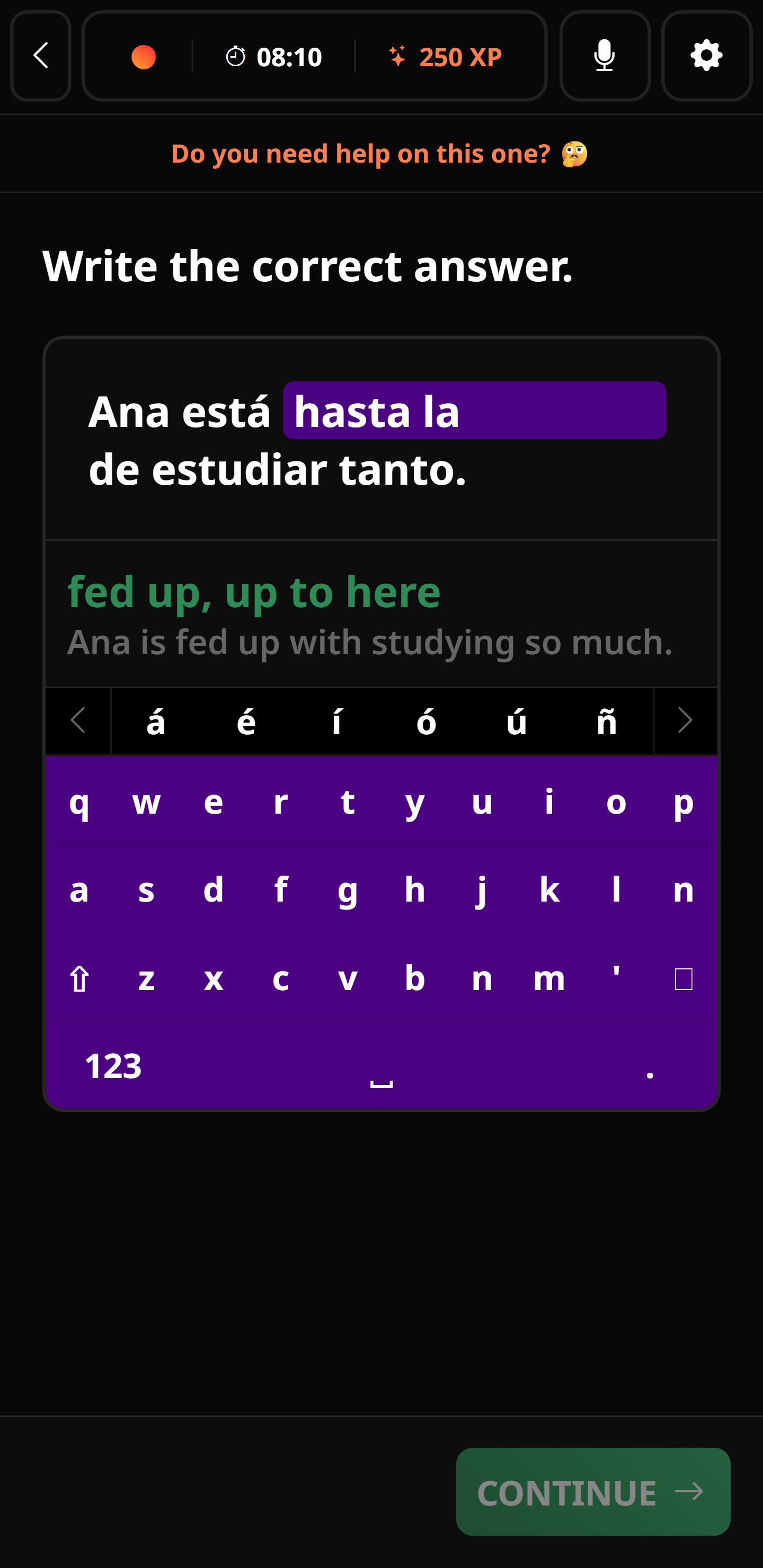
🇪🇸 How Long to Learn Spanish?
Conversational (B1): 4-6 months of daily practice Fluent (B2-C1): 8-14 months
Spanish is the easiest major language for English speakers. Why:
- Thousands of cognates (información, restaurante, teléfono)
- Regular pronunciation — words sound exactly as they're spelled
- Straightforward grammar (compared to German or Russian)
- Massive quantity of learning resources and native speakers to practice with
The biggest bottleneck isn't grammar or vocabulary — it's speaking confidence. Learners who practice conversation daily with an AI tutor like Univext's Umi reach B1 significantly faster than those who rely on apps and textbooks alone.
For a complete learning plan: How to Learn Spanish Fast.

Join more than 100,000 students learning on Univext
🇫🇷 How Long to Learn French?
Conversational (B1): 4-6 months Fluent (B2-C1): 10-14 months
French and Spanish take roughly the same total hours, but the learning curve is different:
- Pronunciation is harder — nasal vowels, the French R, silent letters, and liaisons take practice
- Vocabulary is easier — around 45% of English words have French origins (more than any other language)
- Grammar is similar to Spanish in complexity
- Written vs spoken gap — French looks very different on paper than it sounds
The first month of French often feels harder than Spanish because of pronunciation. But once you crack that code, progress accelerates rapidly thanks to vocabulary overlap.
Complete French learning roadmap.
🇩🇪 How Long to Learn German?
Conversational (B1): 6-8 months Fluent (B2-C1): 12-18 months
German is in FSI Category II — harder than Spanish or French, but still very learnable for English speakers. After all, English is a Germanic language.
What makes German harder:
- Three grammatical genders (der, die, das) with no reliable pattern
- Four cases (nominative, accusative, dative, genitive) that change articles and adjective endings
- Word order — verb goes to the end in subordinate clauses
- Long compound words — Geschwindigkeitsbegrenzung (speed limit)
What makes German easier than you think:
- Pronunciation is regular — much more phonetic than French or English
- Vocabulary overlap with English is huge (Wasser/water, Haus/house, Buch/book)
- Logic-based — once you learn the rules, they're consistent
For app recommendations: Best Apps to Learn German in 2026.
Become bilingual in 30 days with Univext!
Start a lesson with our teacher for free and become bilingual like our 100,000 students!
🇷🇺 How Long to Learn Russian?
Conversational (B1): 8-12 months Fluent (B2-C1): 18-30 months
Russian is a Category III language — significantly harder for English speakers. But it's also one of the most rewarding.
The challenges:
- Cyrillic alphabet — takes 1-2 weeks to learn, then becomes second nature
- Six grammatical cases — nouns, adjectives, and pronouns change form based on their role in the sentence
- Verbal aspect — every Russian verb has two forms (perfective/imperfective), a concept that doesn't exist in English
- Flexible word order — grammatical cases allow word order to shift for emphasis
The silver linings:
- No articles — no "the" or "a/an"
- Mostly phonetic — words are pronounced as written (after you learn the alphabet)
- Three tenses only (past, present, future) — compared to English's twelve
- Rich, logical word formation — prefixes and roots combine predictably
The Cyrillic alphabet barrier is vastly overblown — it genuinely takes most learners just a few days of focused practice. The real challenge is cases and verbal aspect, which require extensive practice in context.
Best apps for learning Russian.
🇮🇹 How Long to Learn Italian?
Conversational (B1): 4-6 months Fluent (B2-C1): 8-12 months
Italian is arguably the easiest language for English speakers — even slightly easier than Spanish. The pronunciation is almost perfectly phonetic, the grammar is straightforward, and the language sounds beautiful, which keeps motivation high.
Best Italian learning resources.
Join more than 100,000 students learning on Univext
🇵🇱 How Long to Learn Polish?
Conversational (B1): 8-10 months Fluent (B2-C1): 18-24 months
Polish is Category III alongside Russian — they share Slavic grammar complexity (seven cases, verbal aspect, gendered nouns). Polish pronunciation is also challenging with consonant clusters like szcz and chrz.
However, Polish uses the Latin alphabet (with some additional characters), which removes the script barrier that Russian and Ukrainian have.
Best apps for learning Polish.
Become bilingual in 30 days with Univext!
Start a lesson with our teacher for free and become bilingual like our 100,000 students!
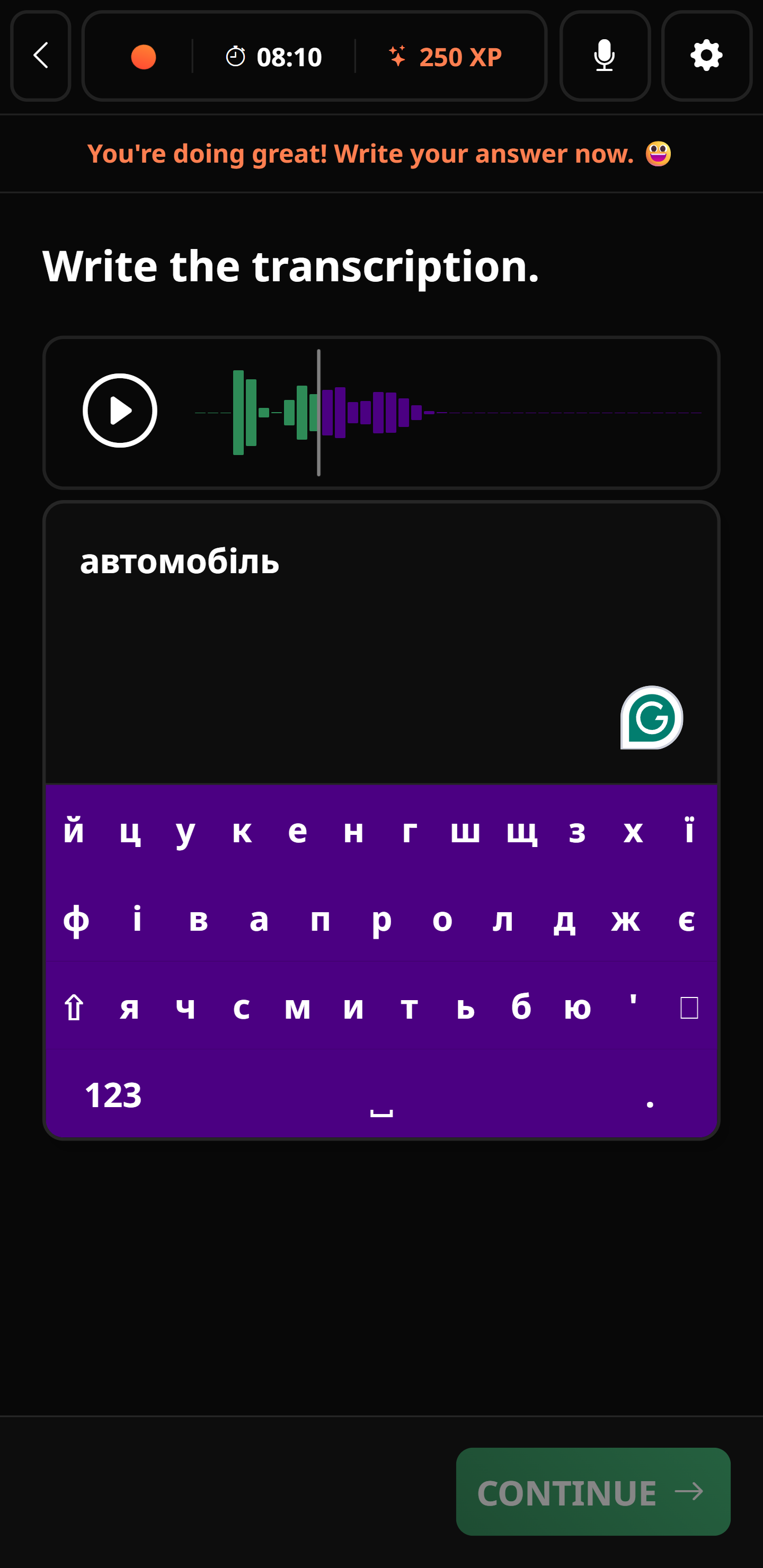
🇺🇦 How Long to Learn Ukrainian?
Conversational (B1): 8-12 months Fluent (B2-C1): 18-24 months
Ukrainian is similar in difficulty to Russian and Polish. If you already know one Slavic language, Ukrainian becomes significantly easier — the languages share substantial vocabulary and grammar.
Interest in Ukrainian has surged since 2022, and learning resources have expanded dramatically.
Best apps for learning Ukrainian.
🚀 How to Cut Your Learning Time in Half
The FSI numbers assume a traditional classroom setting. Modern methods can dramatically reduce these timelines:
1. Maximize Speaking Practice
Every minute spent speaking is worth several minutes of passive study. AI tutors like Univext's Umi provide unlimited conversation practice at your exact level — the single biggest accelerator available.
2. Use Spaced Repetition for Vocabulary
SRS tools (Anki, built-in app reviews) are scientifically proven to be the most efficient memorization method. Don't waste time reviewing words you already know.
3. Immerse Passively
Change your phone language, listen to podcasts during commutes, watch shows in your target language. This "free" exposure adds hours of input without requiring dedicated study time.
4. Focus on High-Frequency Content
The top 1,000 words in any language cover around 85% of everyday conversation. Learn these first, not the textbook vocabulary ordered by theme.
5. Be Consistent Over Intense
Thirty minutes every day dramatically outperforms three hours on weekends. Memory consolidation happens overnight — daily practice leverages this.
Important
The combination of daily AI conversation practice + spaced repetition vocabulary + passive immersion beats the classroom pace those FSI hours assume — no shared teacher time, no waiting your turn, every session pitched at your level. Try Univext free for 14 days and see the difference speaking practice makes.
❓ Frequently Asked Questions
What's the easiest language to learn?
For English speakers: Spanish, Italian, Portuguese, and French are the easiest (Category I). Norwegian, Swedish, and Dutch are also very accessible. The "easiest" language is ultimately the one you're most motivated to learn.
Can I learn a language in 3 months?
You can reach survival level (A1-A2) in almost any Category I language in 3 months with daily practice. Conversational ability (B1) in 3 months is possible for Spanish or Italian with intensive practice (2+ hours/day). True fluency in 3 months is unrealistic for any language.
Does age affect how long it takes?
Adults learn grammar and vocabulary faster than children. Children develop more native-like pronunciation. Overall, adults can reach conversational fluency faster if they apply focused methods. Age is not a barrier — motivation and method matter far more.
Is 30 minutes a day enough?
Yes — 30 minutes of focused, active practice (especially speaking) produces meaningful progress. Many learners reach conversational ability in their target language within 4-8 months at this pace. The key is that the 30 minutes must include output (speaking/writing), not just input (listening/reading).
Become bilingual in 30 days with Univext!
Start a lesson with our teacher for free and become bilingual like our 100,000 students!
✅ Start Today — The Clock Is Ticking Either Way
Whether your target language takes 600 hours or 1,100 hours, one thing is certain: those hours won't log themselves. Every day you don't practice is a day added to your timeline.
The fastest way to start accumulating speaking hours is with an AI tutor. Start your free 14-day trial with Univext — 30 minutes of conversation per day in any of 12 languages. Your future fluent self will thank you for starting today.