

The dream of waking up to the sound of church bells in a sun-drenched plaza, sipping a café con leche while the scent of orange blossoms wafts through the air, is becoming a reality for thousands of North Americans. "Moving to Spain from US" is a search term that sees over 2,900 queries per month, reflecting a massive surge in interest for the Digital Nomad Visa, the Non-Lucrative Visa, and the Golden Visa. Whether you are eyeing the coastal charm of Valencia, the bustling streets of Madrid, or the historic hills of Andalusia for your 2026 move, there is one non-negotiable factor that will determine the success of your relocation: your ability to speak Spanish.
While Spain is a modern, globalized country, its soul resides in its language. Relying solely on English is a common mistake that leaves many expats trapped in "the bubble"—a restricted social circle where you only interact with other foreigners and pay "tourist prices" for services. To truly integrate, you need to navigate the complexities of Spanish life, from signing a rental contract to laughing at a joke in a local tapas bar. This guide is your comprehensive roadmap to mastering the language before you even set foot on the Iberian Peninsula. We will cover the necessity of Spanish for bureaucracy, the levels of proficiency you should aim for, and why AI-powered tools like Univext are the secret weapon for busy future expats.
🇪🇸 Why You Need Spanish Before Moving to Spain
Many Americans believe that because they are moving to international hubs like Barcelona, Madrid, or Malaga, they can "get by" with English. While it is true that you can survive a weekend vacation without knowing a word of Spanish, moving there is a different beast entirely. In Spain, life happens in Spanish.
The most immediate hurdle you will face is bureaucracy. Spain is famous (or perhaps infamous) for its "papeleo" (paperwork). Obtaining your NIE (Foreigner Identity Number), registering your empadronamiento (census registration) at the town hall, and setting up your healthcare coverage are all tasks conducted almost exclusively in Spanish. Even in large cities, civil servants are not required to speak English, and having a B1 level of Spanish can be the difference between a 15-minute appointment and a three-hour ordeal of confusion and frustration.
Beyond the paperwork, Spanish is essential for daily logistics. Imagine your kitchen sink leaks or your car breaks down on a rural road. Communicating with a fontanero (plumber) or a mechanic requires specific vocabulary that an English-only speaker simply won't have. Furthermore, social integration is where the language truly pays off. The Spanish are incredibly warm and welcoming, but the deepest friendships are formed over long dinners where the conversation flows fast. If you don't speak the language, you miss out on the cultural nuances, the local festivals, and the "real" Spain that exists beyond the TripAdvisor recommendations.
Finally, consider the job market. Even if you are a remote worker for a US company, having Spanish skills opens up local networking opportunities and allows you to participate in the burgeoning Spanish tech and creative scenes. In short, learning Spanish isn't just a hobby; it is your passport to a fulfilling, stress-free life in your new home.
Notes
While many people in Madrid and Barcelona speak English, the further you move into the suburbs or smaller towns (Pueblos), the more essential Spanish becomes for basic survival.
📊 How Much Spanish Do You Actually Need?
You don't need to be a literary scholar to live happily in Spain, but you do need to reach a specific threshold of "functional fluency." The Common European Framework of Reference for Languages (CEFR) is the standard used in Spain to measure your level.
For most expats, the goal should be to hit B1 (Intermediate) by the time they arrive. At this level, you can handle most travel situations, describe experiences, and give brief reasons for your opinions. If you plan to work in a Spanish company, you should aim for B2 (Upper Intermediate), which allows for more technical discussions and spontaneous interaction with native speakers.
Example
Example: An A2 learner can ask where the pharmacy is. A B1 learner can explain their symptoms to the pharmacist and understand the dosage instructions.
Become bilingual in 30 days with Univext!
Start a lesson with our teacher for free and become bilingual like our 100,000 students!
🚀 The Best Way to Learn Spanish Before Your Move
If you are planning a move for 2026, you have the luxury of time, but you likely have a busy schedule filled with visa applications and house-hunting. Traditional methods often fail because they don't fit into an expat's chaotic pre-move life.
Traditional Language Schools are often expensive and require you to commute to a physical location at a fixed time. While effective for some, they lack the flexibility needed when you are juggling a full-time job and a move across the Atlantic.
Gamified Apps like Duolingo are great for learning nouns (like "the apple is red"), but they famously fail at teaching you how to actually speak. You might have a 500-day streak, but you'll still freeze when a Spanish waiter asks you a question at 90 miles per hour.
Private Tutors are the "gold standard" but come with a heavy price tag, often ranging from $30 to $60 per hour. If you want to practice daily—which is necessary for fluency—this becomes financially unsustainable for most.
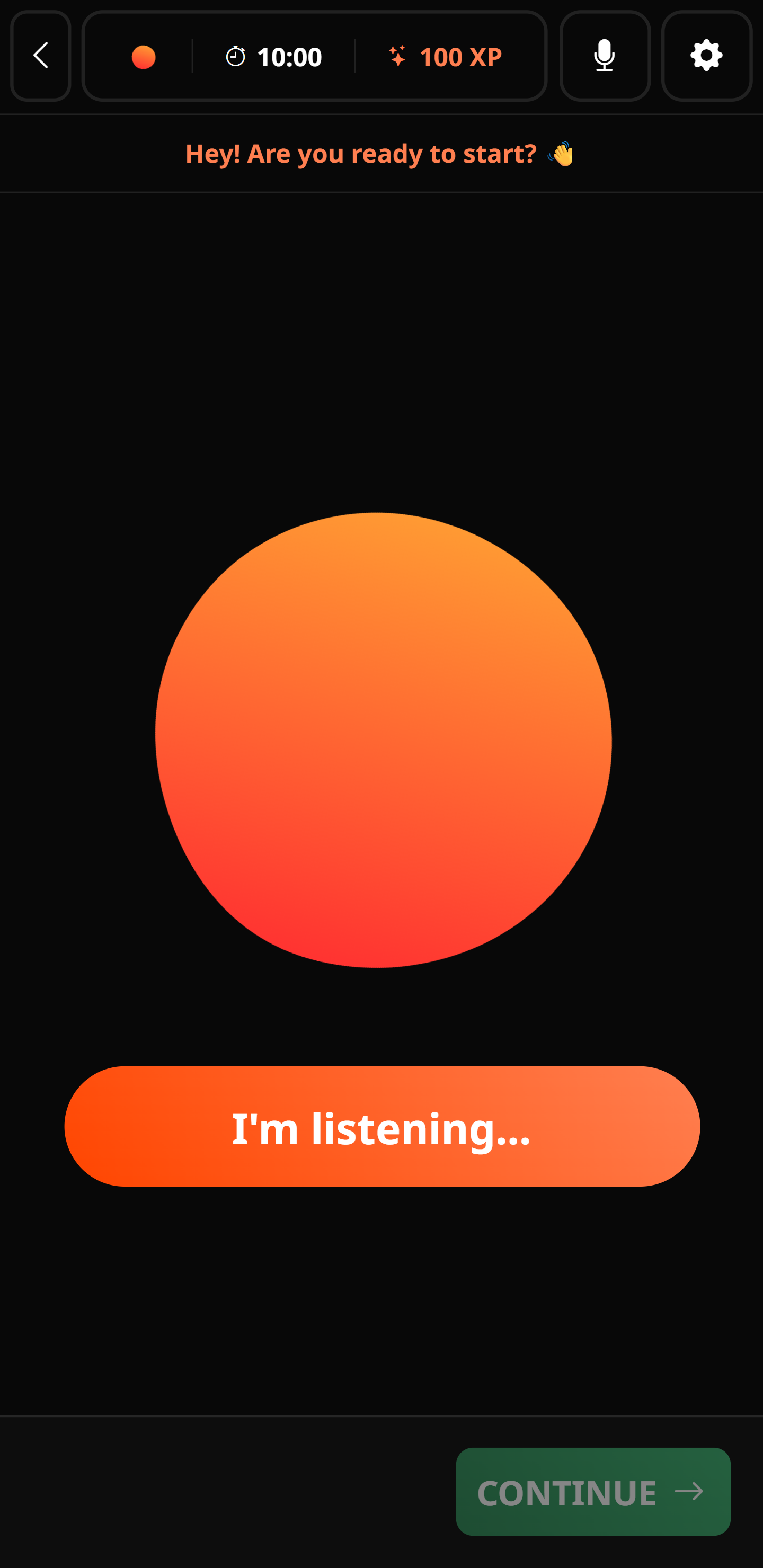
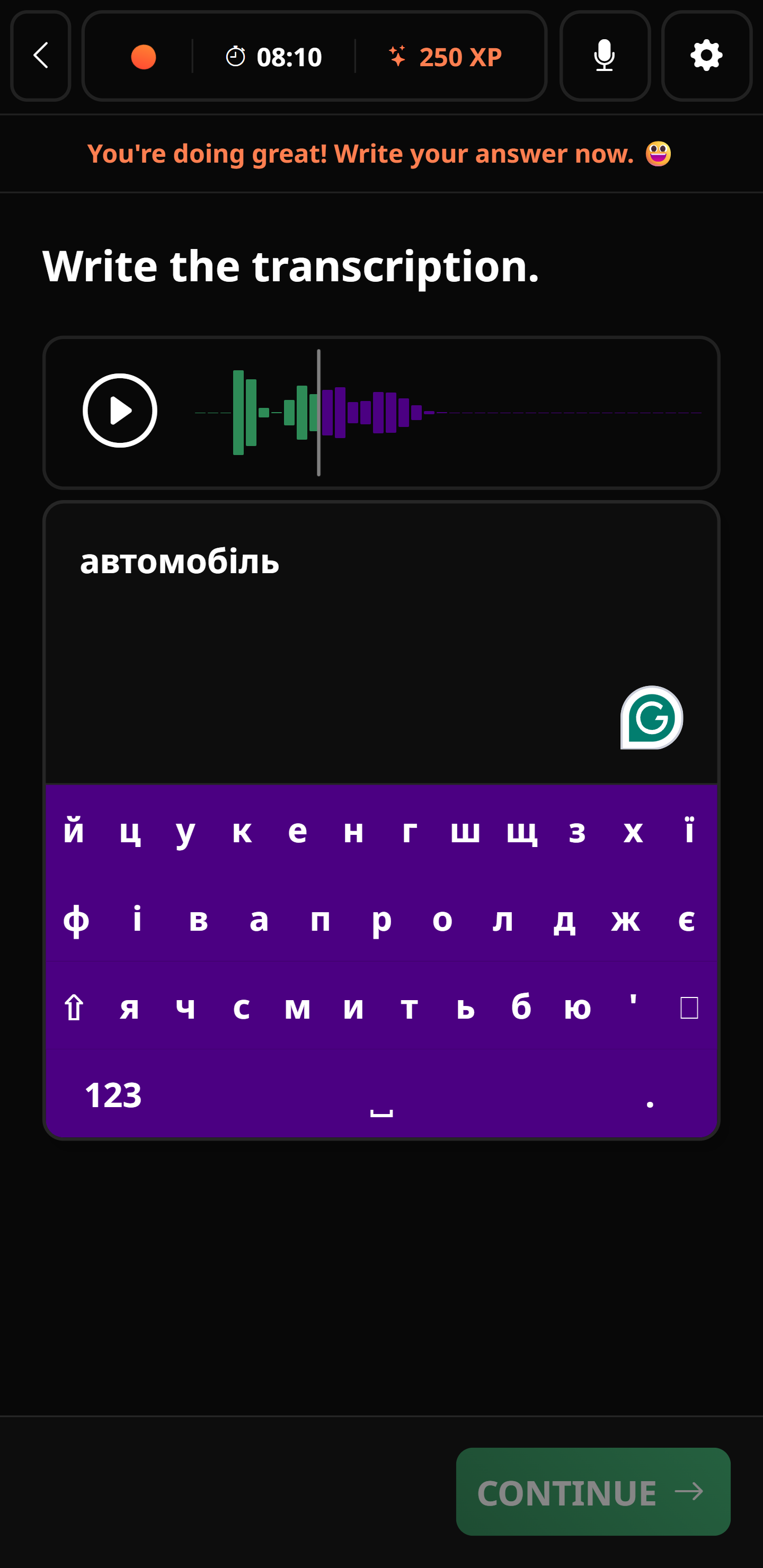
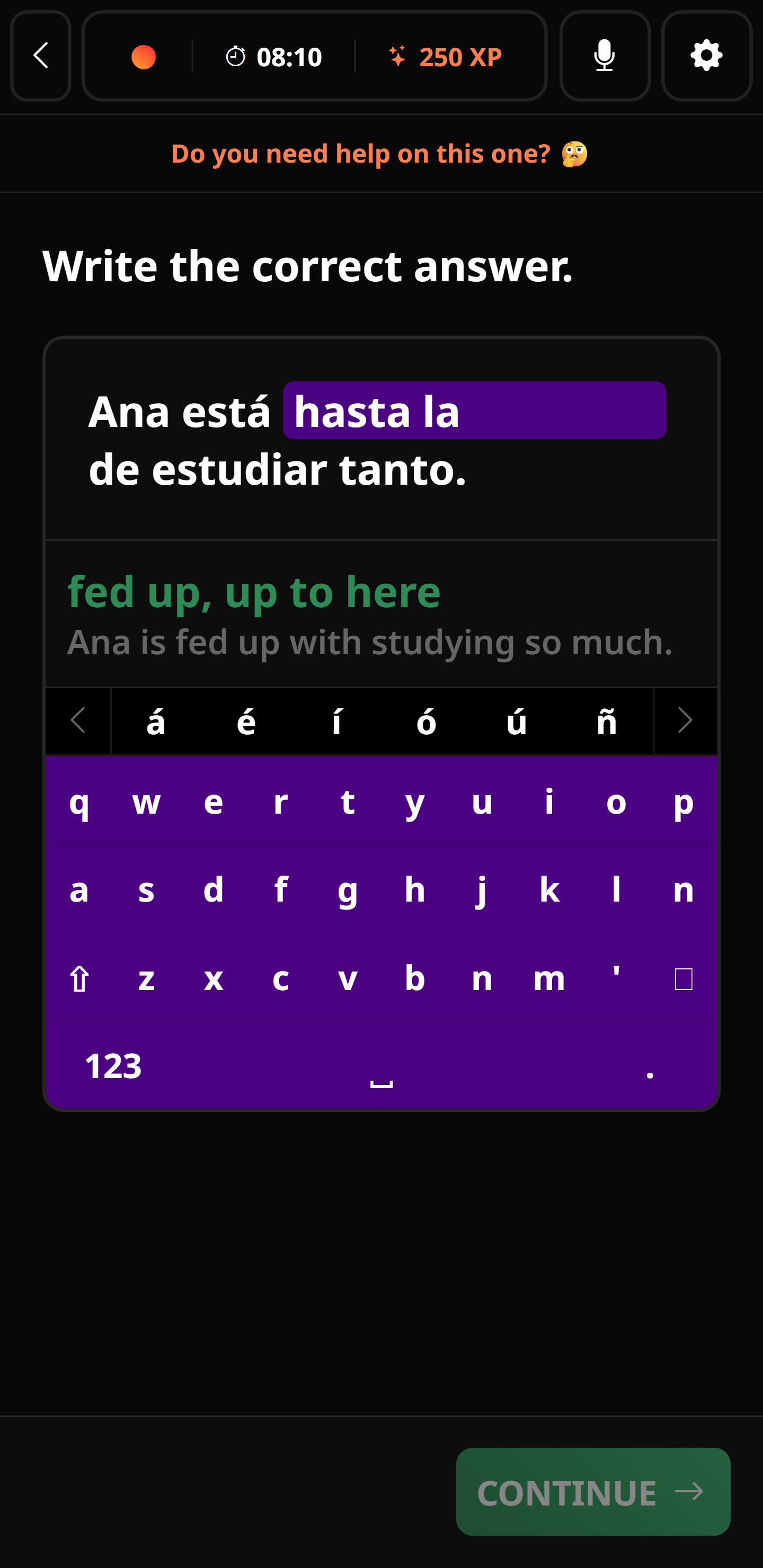
This is where AI Tutoring with Univext changes the game. Univext provides an affordable, 24/7 solution that focuses specifically on conversation. Instead of clicking on pictures of bread, you talk to Umi, an AI language teacher that simulates real-world scenarios. You can practice your "moving to Spain" vocabulary, simulate a conversation with a landlord, or practice your NIE appointment. It provides the personalized feedback of a private tutor at a fraction of the cost, making it the ideal tool for the modern expat.
Important
Start your free 14-day trial on Univext today — 30 minutes a day is all you need to build real conversational Spanish before your move. Try Univext free




Join more than 100,000 students learning on Univext
🎯 What to Focus On: Spanish for Expat Life in Spain
When learning Spanish for a move, you should prioritize "functional vocabulary." You don't need to know the names of exotic animals; you need to know how to talk about your electricity bill.
1. Housing (Vivienda): Focus on terms like alquiler (rent), fianza (security deposit), gastos incluidos (utilities included), and contrato de arrendamiento (lease agreement).
Example
Phrase: "Me gustaría programar una visita para ver el piso." (I would like to schedule a visit to see the apartment.)
2. Health (Salud): Learn how to navigate the Centro de Salud. Keywords include cita previa (appointment), receta (prescription), and seguro médico (health insurance).
3. Money and Banking: You will need to open a cuenta bancaria (bank account). Learn how to ask about comisiones (fees) and how to make a transferencia (wire transfer).
4. Regional Variations: Spain is a diverse country. If you are moving to Barcelona, you will see signs in both Spanish (Castilian) and Catalan. If you are moving to San Sebastián, you'll encounter Basque (Euskera). While you should focus on Castilian Spanish first, being aware of these regional identities is crucial for showing respect to your new neighbors.
💡 5 Tips to Accelerate Your Spanish Before Moving
Tip 1: Practice speaking from day 1 with AI. The biggest barrier to fluency is the "fear of sounding stupid." By using Univext’s Umi teacher, you can practice speaking in a judgment-free environment. The AI doesn't get tired or annoyed if you ask it to repeat a sentence five times.
Tip 2: Watch Spanish TV shows with Spanish subtitles. Ditch the English subtitles. Shows like La Casa de Papel or Valeria on Netflix are great for hearing colloquial Spanish. Using Spanish subtitles helps your brain connect the sounds to the written words.
Tip 3: Switch your phone and apps to Spanish. You interact with your phone hundreds of times a day. Changing your interface to Spanish forces you to learn words like configuración (settings), compartir (share), and mensaje (message) through sheer repetition.
Tip 4: Join expat Facebook groups in Spain. Groups like "Expats in Spain" or "Americans in Madrid" are goldmines for advice. Try to read the posts written in Spanish and reply in Spanish where possible. It’s a low-stakes way to practice reading comprehension.
Tip 5: Set a daily routine. Consistency beats intensity. Spending 30 minutes with Univext every morning before work is far more effective than a four-hour "cram session" on a Sunday afternoon.
Become bilingual in 30 days with Univext!
Start a lesson with our teacher for free and become bilingual like our 100,000 students!
📚 Essential Resources for Learning Spanish
To become truly fluent, you need a diverse ecosystem of tools. While Univext is the best all-in-one solution for speaking and conversation (check out our guide on the 5 best AI apps to learn Spanish), you can supplement your learning with:
- Podcasts: Notes in Spanish is fantastic for hearing real conversations between a Spaniard and an English expat.
- YouTube: Channels like Spanish after Hours provide great cultural context.
- Phrasebooks: A physical "Lonely Planet" Spanish phrasebook is still useful for quick reference during your first week.
❓ Frequently Asked Questions
Can I live in Spain without speaking Spanish? Yes, especially in big cities or coastal areas with high British/American populations. However, your life will be significantly harder, more expensive, and socially isolated. You will likely struggle with any legal or administrative task.
How long does it take to learn Spanish for daily life? If you practice for 30–60 minutes daily using a conversation-focused tool like Univext, most learners can reach a comfortable B1 "survival" level in 6 months.
Is Spanish in Spain different from Latin American Spanish? Yes. The main difference is the use of vosotros (informal "you all") in Spain and the pronunciation of "z" and "c" (often called the "lisp," though it’s actually just a different phoneme). However, the two are entirely mutually intelligible. If you learn one, you can understand the other.
What's the best app to learn Spanish before moving? Univext is the best choice because it focuses on the one thing you actually need when you land: the ability to speak. Most apps focus on reading or multiple-choice questions, which doesn't help when you're standing in front of a real person at the airport or a bank.
Join more than 100,000 students learning on Univext
✅ Conclusion
Moving to Spain in 2026 is an incredible goal, and you have plenty of time to prepare. Don't let the language barrier be the thing that holds you back from the lifestyle you've been dreaming of. By focusing on practical vocabulary, building a daily habit, and utilizing the power of AI conversation with Univext, you can arrive in Spain ready to sign your lease, order your first caña, and make lifelong friends from day one.
The best time to start was yesterday; the second best time is right now. Commit to your future self and start your journey toward fluency today.
Important
Ready to master Spanish for your 2026 move? Start your free trial with Univext today and get 14 days of unlimited AI conversation practice for free. Just 30 minutes a day can change your life in Spain.