


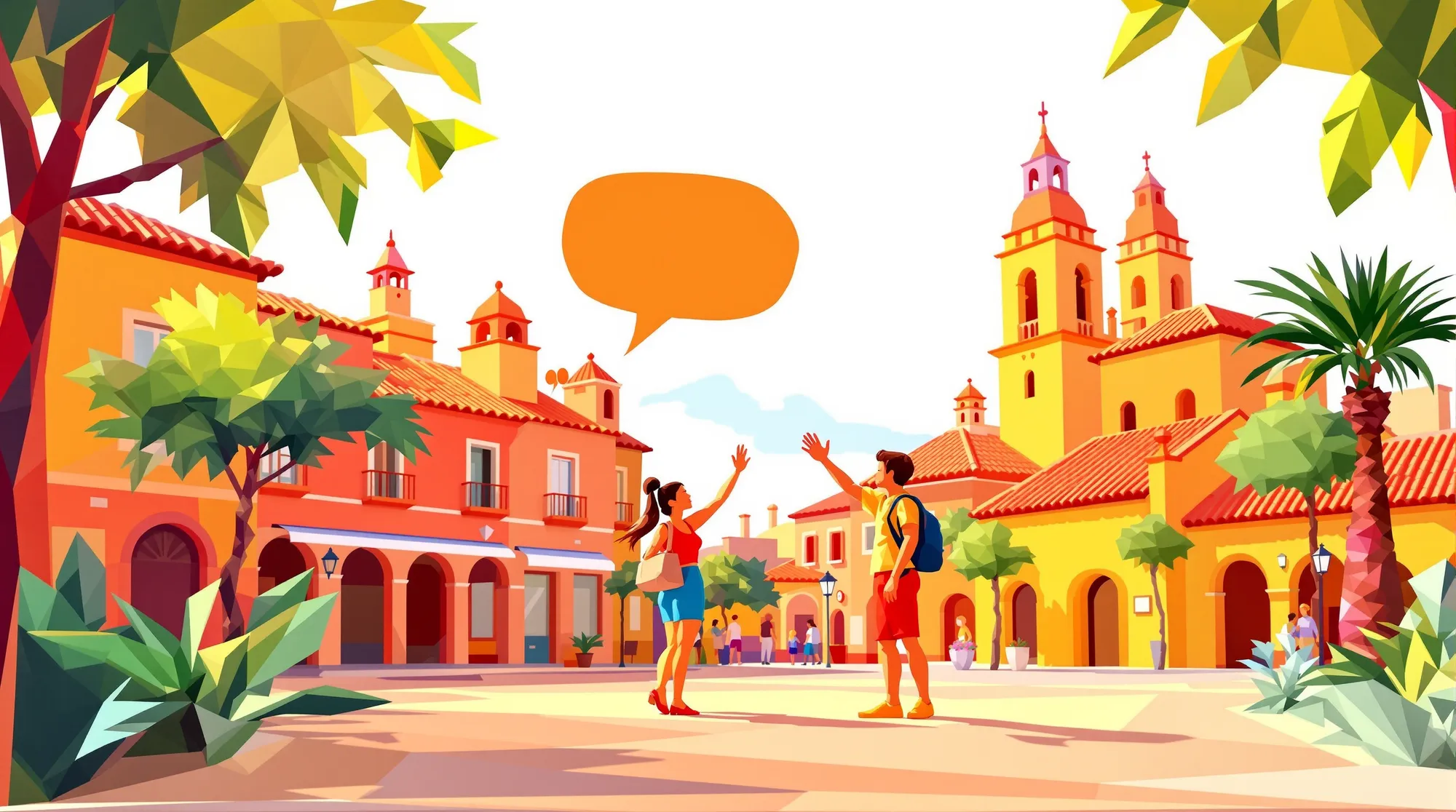
Spanish has one word for hello that works everywhere, in every country, with every person you will ever meet. That word is hola. You already knew it.
So the real question is not how to say hello in Spanish. It is which of the other nine greetings to reach for — because hola is safe, and safe is not the same as sounding like you belong. Tap the audio buttons below, copy what you hear, and by the end of this page you will know exactly which greeting fits which room. This is not a grammar lesson. It is the shortest path from zero to a greeting that lands.
👋 The 10 Spanish Greetings You Actually Need
Each one has an audio button. Tap it, say it out loud, move on. Spanish spelling is far more honest than French or English — but the rhythm and the vowels are not something you can guess from the page.
1. Hola — (neutral, everywhere) The universal one. Formal, informal, Spain, Mexico, Argentina, a stranger, your boss. The h is completely silent — it is OH-la, never HO-la. This is the greeting that never gets you in trouble.
2. Buenos días — (formal, morning) From waking up until roughly lunch. In Spain lunch is late, so buenos días stretches to about 2pm. Walking into a shop with it instead of a bare hola is the difference between a tourist and someone who has been here a week.
3. Buenas tardes — (formal, afternoon) After lunch until the sun goes down. Note it is plural — buenas, not buena — and everybody gets it wrong at first.
4. Buenas noches — (formal, after dark) Both hello and goodnight. Yes, you greet someone with it when you arrive at 9pm, and you also say it when you leave. Context does all the work.
5. ¿Qué tal? — (informal, Spain especially) "How's it going." It is a greeting, not a real question — nobody expects a medical history. You can stack it: hola, ¿qué tal? is the most common opening in Spain, full stop.
6. ¿Cómo estás? — (informal, how are you) The tú version. Friends, people your age, anyone who has told you their first name.
7. ¿Cómo está usted? — (formal, how are you) The usted version. Older people, officials, a doctor, a landlord. Getting this one right buys you enormous goodwill for very little effort.
8. ¿Qué onda? — (very informal, Mexico) "What's up." Pure Mexican, extremely common among friends, and completely out of place in Madrid — where it will simply mark you as someone who learned Spanish from Mexican television. Which is fine, if that is true.
9. ¿Qué más? — (informal, Colombia) Colombians greet each other with "what else?", which makes no literal sense and works perfectly. Say it in Bogotá and watch someone relax.
10. Mucho gusto — (formal, first meeting) "Pleased to meet you." Said while shaking hands the first time. Encantado works too — encantada if you are a woman.
Notes
A bonus you will hear constantly and find in no textbook: just buenas, on its own. It is the clipped, casual form of buenos días / buenas tardes / buenas noches, it works at any hour, and it is what people actually say walking into a bar.
📊 Which One, When
Important
The single rule that covers 90% of cases: if you would call the person usted, use buenos días and ¿cómo está usted? If you would call them tú, hola and ¿qué tal? are yours.
Become bilingual in 30 days with Univext!
Start a lesson with our teacher for free and become bilingual like our 100,000 students!
🌎 The Same Greeting Sounds Different in Every Country
This is the part that surprises learners, and no app tells you in advance. Hola and buenos días are universal. Everything past that is regional.
¿Qué tal? is Spain. ¿Qué onda? is Mexico. ¿Qué más? is Colombia. In Argentina you will hear ¿Cómo andás? and a tú that has been replaced entirely by vos. None of these are wrong anywhere — they are just markers, the way "y'all" places an English speaker instantly.
Example
You do not have to pick a country. Learn hola, buenos días and ¿qué tal?, and you are understood from Madrid to Buenos Aires. Then pick up the local one wherever you land — that is a single word, learned in a day.




Join more than 100,000 students learning on Univext
⚠️ The Two Mistakes Beginners Always Make
Mistake 1: pronouncing the h. Hola is OH-la. Hasta luego is AS-ta. The Spanish h is silent, always, with no exceptions worth learning. This is the single most audible beginner tell, and it survives years of study because reading reinforces it every time.
Mistake 2: saying buenas noches to mean goodnight only. English splits "good evening" and "good night" into a hello and a goodbye. Spanish does not — buenas noches is both. Learners who file it under "goodbye" spend months awkwardly saying hola at 10pm when a native would greet them with buenas noches.
Notes
A third, smaller one: buenos días is masculine plural, buenas tardes and buenas noches are feminine plural. There is no logic to recover here — it is memorised, not derived, and it takes about five minutes.
🗣️ The Part a Blog Post Cannot Do
You now know which greeting to use. What you do not have is the thing that actually matters when a Spanish speaker is standing in front of you: the reflex. Knowing buenas tardes and producing it — at speed, with the right vowels, without a two-second pause — are different skills, and only one of them is learned by reading.
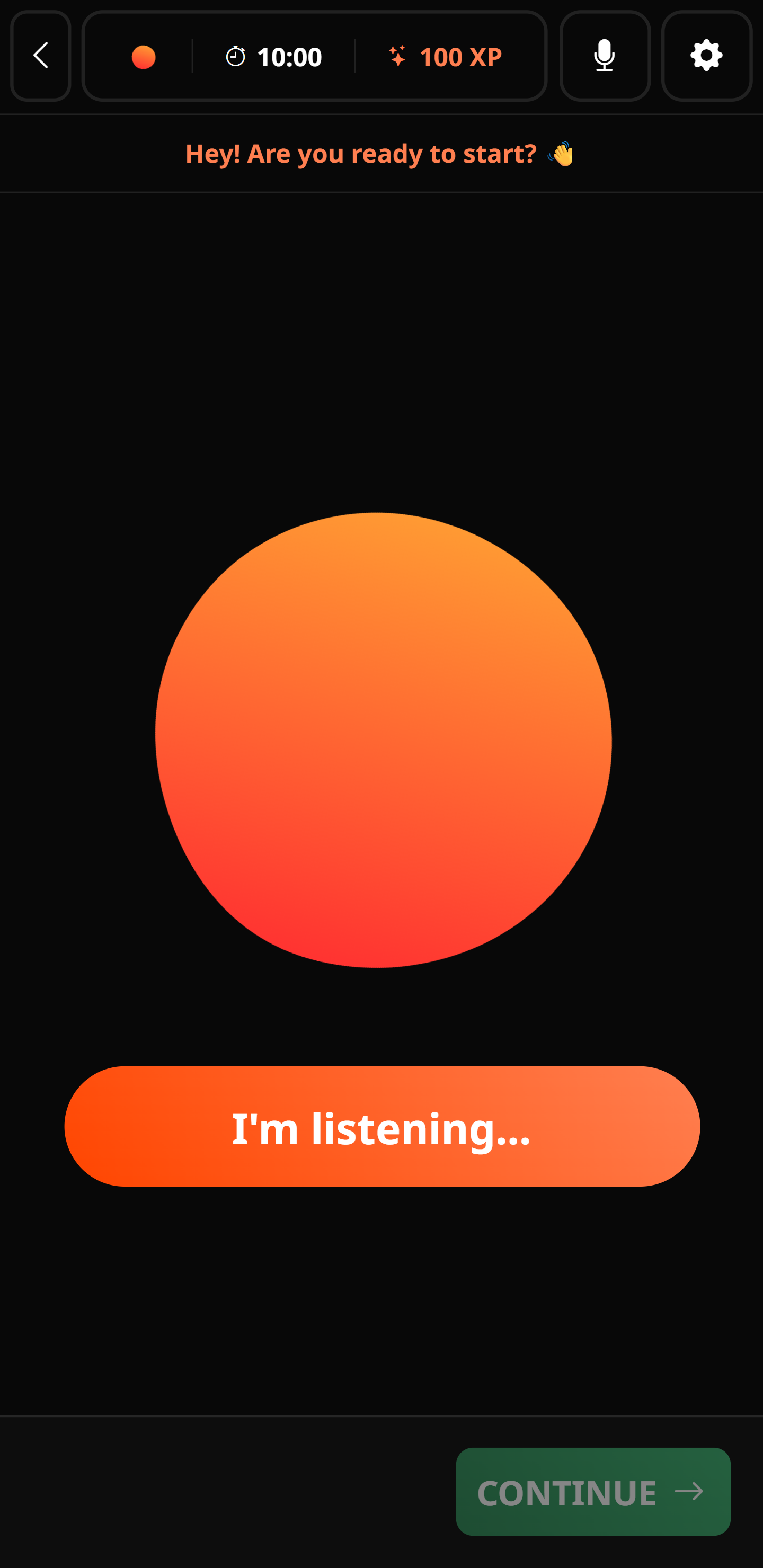
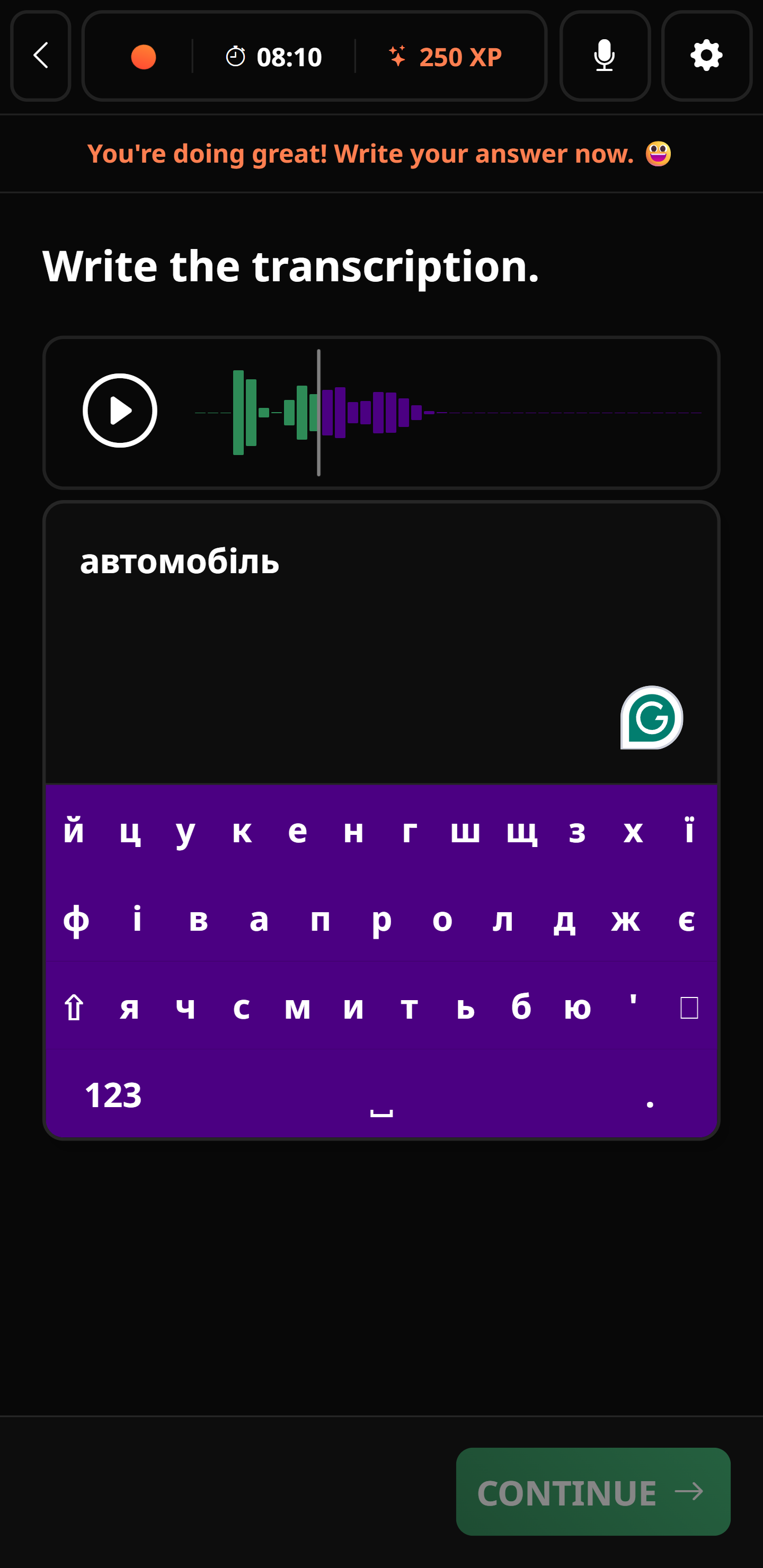
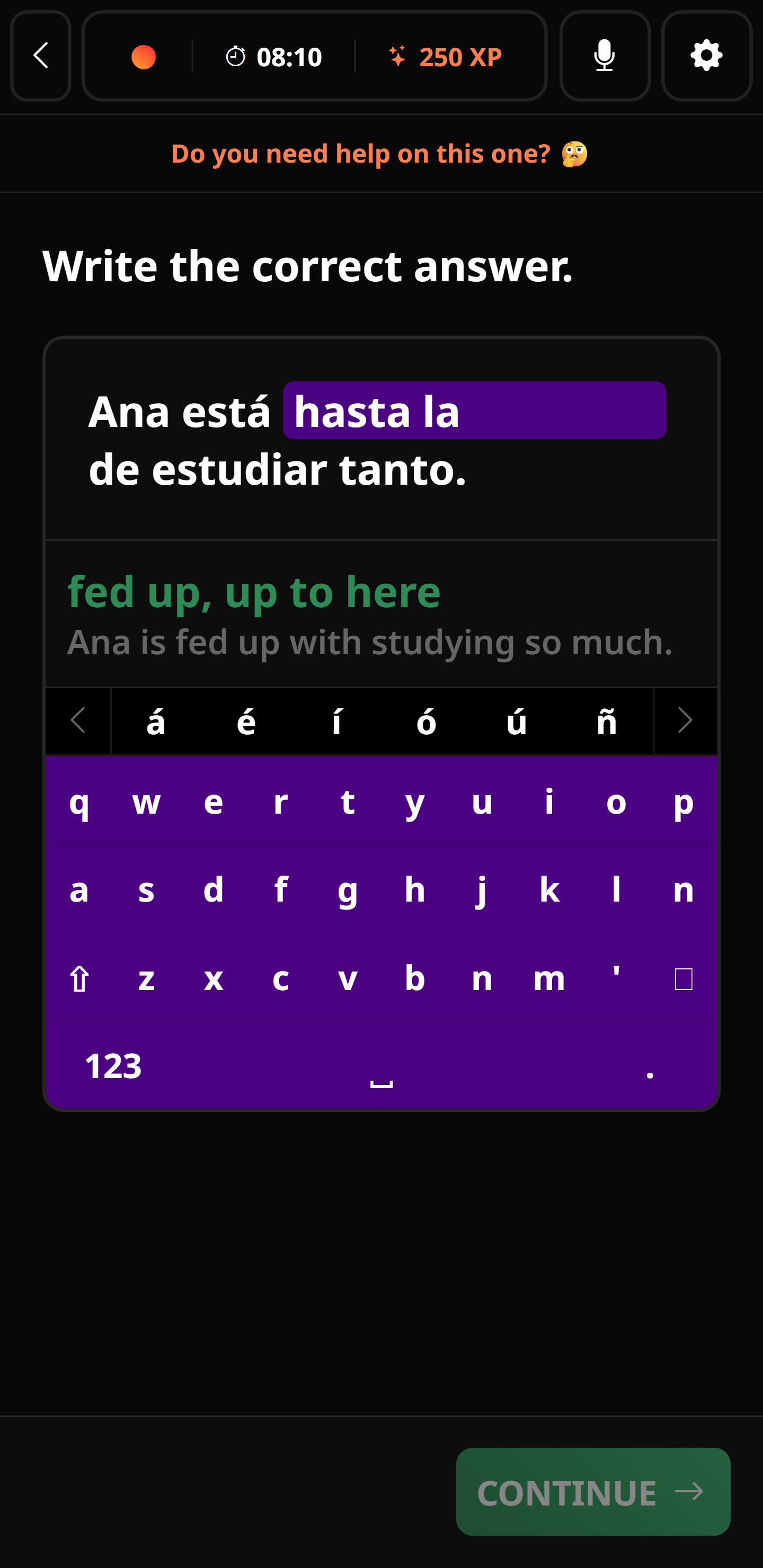
That takes someone to talk to. Umi is our AI tutor: it listens to you speak Spanish, hears your accent, and corrects it in the moment — the way a teacher would, except at 11pm on a Tuesday when you finally have twenty minutes.
Important
You are already in the mood to learn Spanish. That feeling lasts about an hour. Say hola to Umi and have a real Spanish conversation right now — 14-day free trial, 30 minutes a day, no lesson planning required. Start your free trial
Become bilingual in 30 days with Univext!
Start a lesson with our teacher for free and become bilingual like our 100,000 students!
🇪🇸 Where to Go Next
Greetings are day one. Day two is usually dates and times, and we covered those here: Days of the Week in Spanish: All 7 + Audio.
If you are still shopping around and want to know what learning Spanish with an app is actually like in 2026, we tested the main ones: Best Apps to Learn Spanish in 2026.
Otherwise — the ten greetings above are genuinely enough to get through your first week anywhere in the Spanish-speaking world. Learn the audio, keep the h silent, and say buenas when in doubt.
Buena suerte. Or as you can now say properly: .