


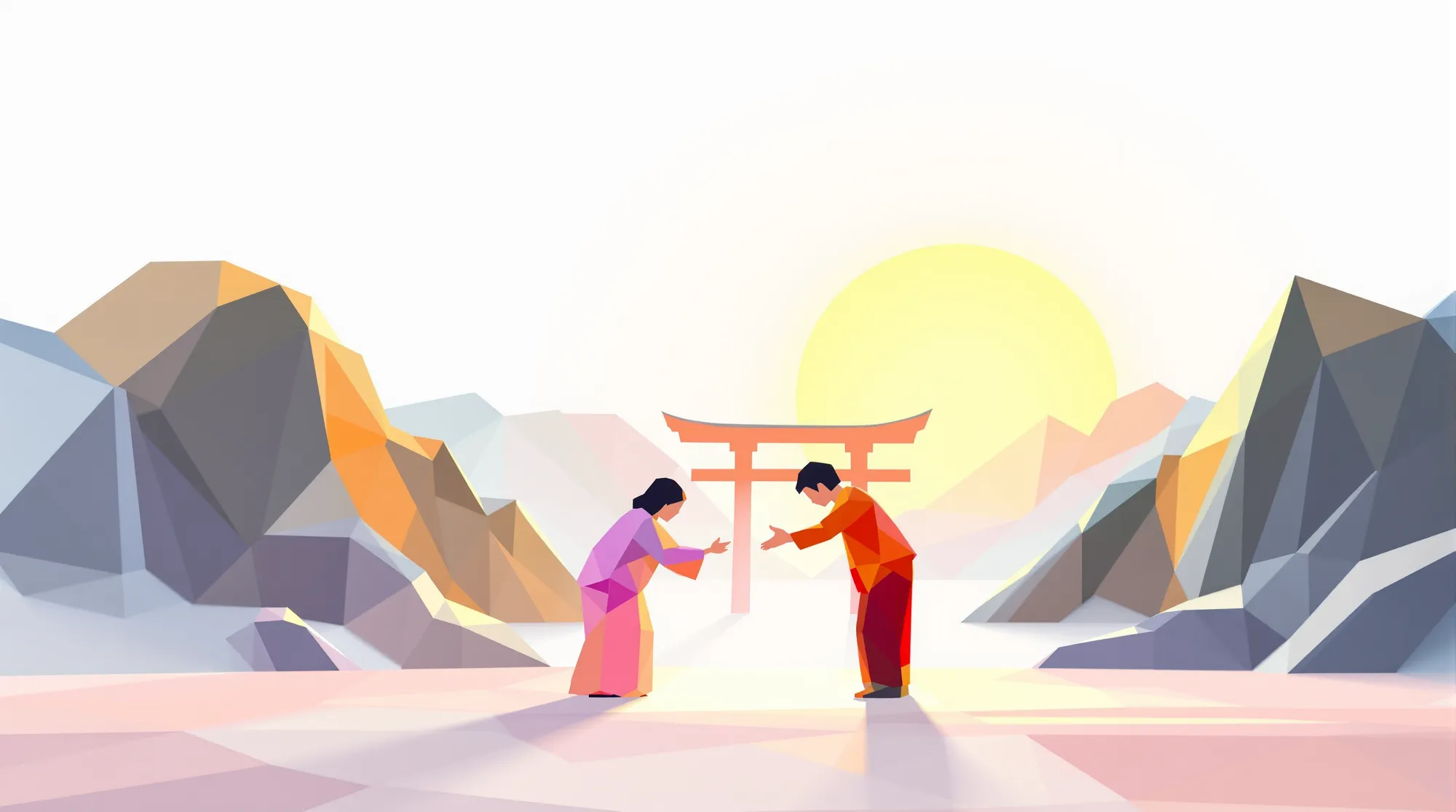
Saying hello in Japanese looks like it should take five seconds to learn. It doesn't — and that is the whole problem. English gives you one word, "hello", and it works at 7am, at midnight, on the phone, and with your boss. Japanese gives you a different greeting depending on what time it is and who you are talking to, and picking the wrong one is the single most common way a beginner sounds off.
The good news: there are about ten greetings that cover almost every real situation, and you can learn them in one sitting. Below you'll find each one with kana, romaji, an audio button so you can hear a native voice, and — the part most guides skip — when you are actually allowed to use it.
👋 The 10 Japanese Greetings You Actually Need
1. こんにちは — Konnichiwa (neutral, daytime)
(konnichiwa)
The one everybody knows, and the one everybody misuses. It means "hello" only in the sense of "good day" — roughly 10am to 6pm. It is neutral-polite: safe with a stranger, a shopkeeper, a colleague.
2. おはようございます — Ohayō gozaimasu (polite, morning)
(ohayō gozaimasu)
Morning greeting, until about 10 or 11am. The ございます is the polite half — keep it for anyone senior to you, anyone you've just met, and every work situation.
3. おはよう — Ohayō (casual, morning)
(ohayō)
Same greeting with the polite ending dropped. Friends, family, classmates. Say this to your manager and you'll get a look.
4. こんばんは — Konbanwa (neutral, evening)
(konbanwa)
"Good evening" — from dusk onwards. Neutral-polite, same register as こんにちは.
5. はじめまして — Hajimemashite (first meeting)
(hajimemashite)
"Nice to meet you", used only the first time. It opens an introduction; you follow it with your name and よろしくお願いします.
6. よろしくお願いします — Yoroshiku onegaishimasu
(yoroshiku onegaishimasu)
Not strictly "hello", but it closes every introduction in Japan and there is no English equivalent — something between "please treat me well" and "looking forward to working with you". Skipping it is noticeable.
7. お久しぶりです — Ohisashiburi desu (long time no see)
(ohisashiburi desu)
For someone you haven't seen in months. Drop the です with close friends: 久しぶり.
8. もしもし — Moshi moshi (on the phone only)
(moshi moshi)
Phone hello. Only on the phone — never face to face. Casual, so in a business call you would answer with your company or family name instead.
9. やあ — Yaa (casual "hey")
(yaa)
A light, friendly "hey" between friends. Common with men, and in anime more than in offices.
10. いらっしゃいませ — Irasshaimase (you hear it, you don't say it)
(irasshaimase)
Shouted at you the second you walk into any shop or restaurant. It means "welcome". You are not expected to answer — a nod is enough. Every learner freezes on this one once.
🕐 The Time-and-Formality Table
Become bilingual in 30 days with Univext!
Start a lesson with our teacher for free and become bilingual like our 100,000 students!
⚠️ The Two Mistakes Beginners Always Make
Important
Mistake 1: treating こんにちは as an all-purpose "hello". It is not. It is "good day". Used at 8am it is wrong, used at 9pm it is wrong, and used to your own family when you walk in the door it sounds like you are greeting a stranger. Inside your household, Japanese people simply don't use it.
Important
Mistake 2: dropping ございます to save time. おはよう and おはようございます are not "the same word, one shorter" — they are two different levels of respect. To a teacher, a boss, a client or an older neighbour, the short form reads as rude, not as friendly.
There is a third, quieter one: greeting with a wave instead of a slight bow. A small nod of the head costs nothing and instantly makes the greeting land right.





Join more than 100,000 students learning on Univext
🎯 Where This Stops Being Something You Read
Here is the honest part. You can memorise all ten in twenty minutes. Saying the right one, at the right moment, to the right person, without a two-second pause — that is a completely different skill, and reading about it does nothing for it.
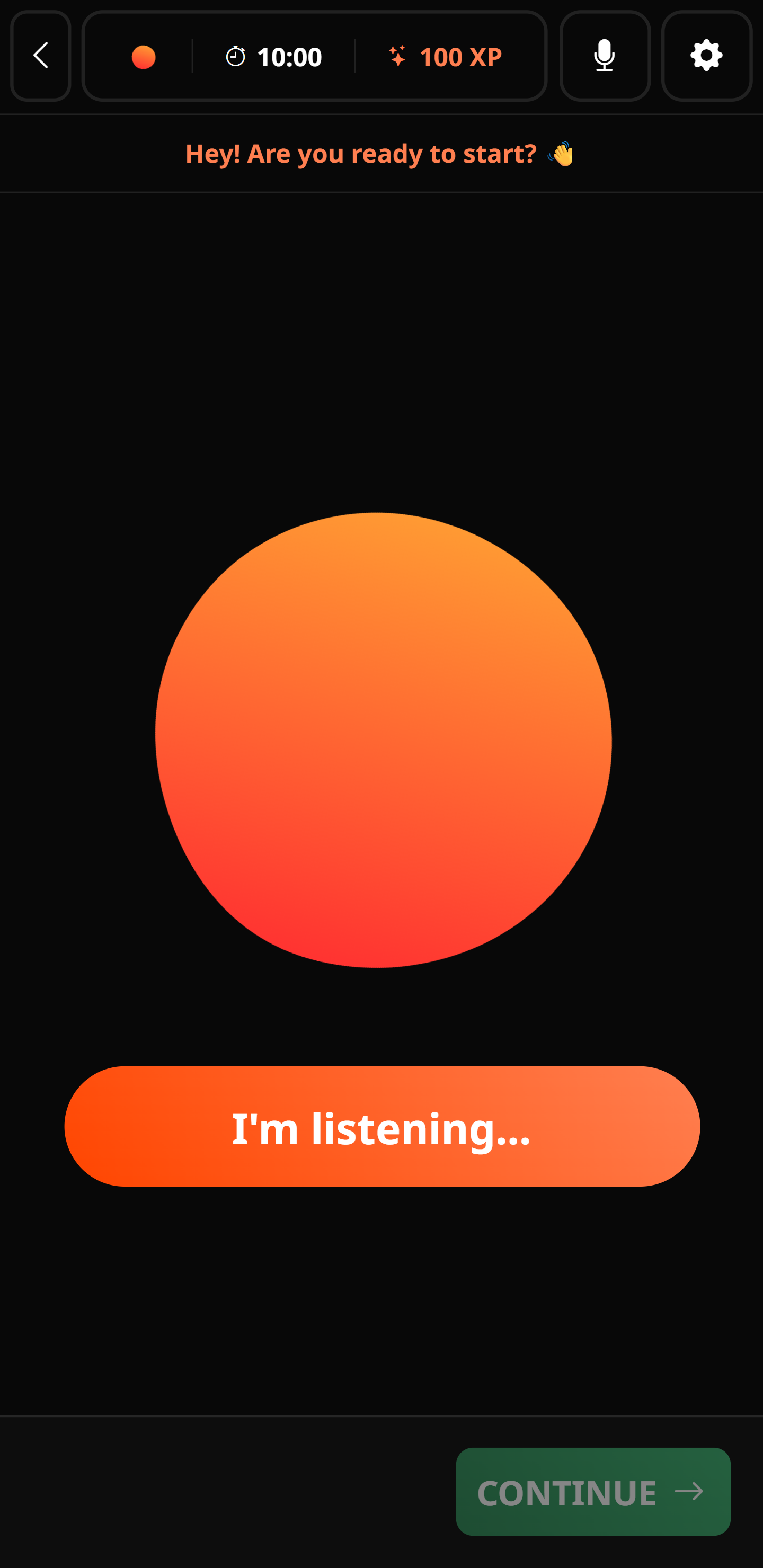
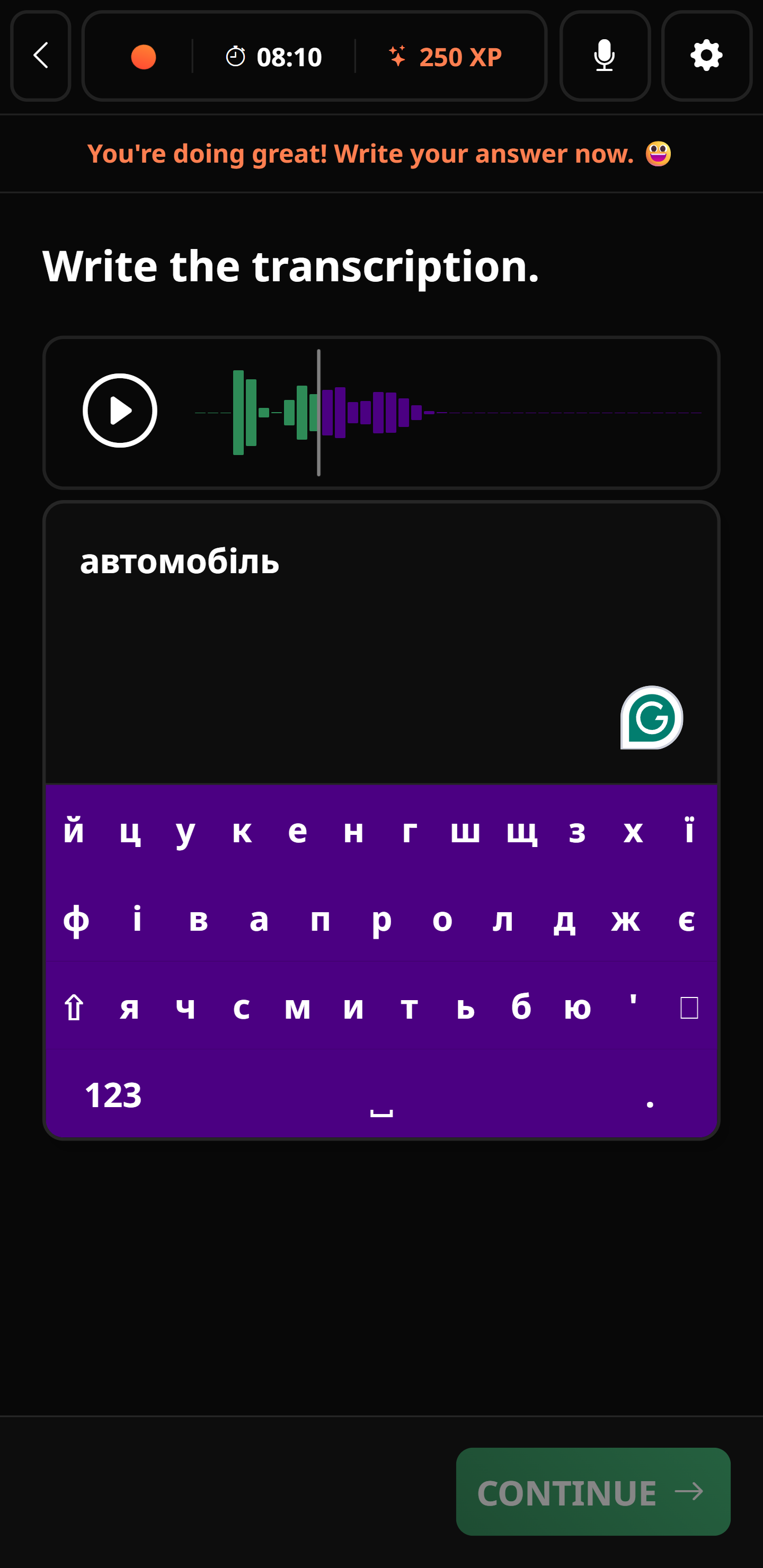
That gap is exactly what speaking practice closes. Umi is an AI tutor that talks with you out loud in Japanese: it greets you, waits for your answer, and tells you when you've reached for the casual form with someone you shouldn't have.
Important
🇯🇵 Try one Japanese lesson free right now — say your first おはようございます out loud in the next five minutes. Start a free lesson with Umi
📚 Keep Going
- Japanese Alphabet: Hiragana and Katakana Complete Guide (2026) — the reading foundation under every word above
- Basic Japanese Phrases for Travel: 50+ Essential Words (2026) — the next 50 phrases after hello
- Best Apps to Learn Japanese in 2026 (Tested & Ranked) — what to actually study with
Become bilingual in 30 days with Univext!
Start a lesson with our teacher for free and become bilingual like our 100,000 students!
❓ Quick Answers
What is the most common way to say hello in Japanese? こんにちは (konnichiwa), but only during the day. In the morning it is おはようございます.
Can I just use こんにちは all day? No. Morning is おはようございます, evening is こんばんは. こんにちは in between.
Is もしもし rude? Not rude, but casual and phone-only. In a business call, answer with your name or your company instead.
Do I need to bow? A small nod is enough for a casual greeting. Nobody expects a deep bow from a learner — but a nod is expected.