



Every Japanese learner makes the same mistakes. Not because they are careless — because English quietly lies to them. It tells them a sentence needs a subject. It tells them "two" is one word regardless of what you are counting. It tells them a word written in katakana must mean what it looks like.
None of that survives contact with Japanese, and the gap between what your English brain expects and what Japanese actually does is where almost every beginner error lives.
Below are the 15 mistakes that show up in nearly every learner's first year — the は/が coin-flip, the counters, the keigo register that makes you sound either cold or childish, and the katakana words that mean something entirely different. Each one gets the wrong version, the right version, and a one-line reason so it actually sticks.
Fix these fifteen and you will sound less like someone translating and more like someone speaking.
🎯 1. Using は Where が Belongs
The single most common Japanese mistake, and the hardest to feel. Both particles can sit where English puts a subject, so learners pick one at random.
- ❌ 誰は来ましたか。 dare wa kimashita ka
- ✅ (dare ga kimashita ka) — "Who came?"
Why: は marks what the sentence is about — old, shared information. が marks new information, and a question word is new by definition. You cannot ask about something you have already established.
Notes
The everyday version of the same rule: 私は学生です introduces you as a topic. 私が学生です means "I am the student" — pointing at yourself in a room of candidates. Learners say the second one constantly and sound oddly emphatic.
🙅 2. Saying あなた for "You"
Your textbook taught it. Natives almost never use it.
- ❌ あなたは何をしていますか。 anata wa nani o shite imasu ka
- ✅ (Tanaka-san wa nani o shite imasu ka) — "What are you doing, Tanaka?"
Why: (anata) reads as distant, confrontational, or — between couples — like "darling". Use the person's name plus さん, their title, or simply nothing.
Become bilingual in 30 days with Univext!
Start a lesson with our teacher for free and become bilingual like our 100,000 students!
🗣️ 3. Starting Every Sentence With 私は
English demands a subject. Japanese drops it the moment it is obvious.
- ❌ 私は田中です。私は学生です。私は東京に住んでいます。
- ✅ (Tanaka desu. Gakusei desu. Tōkyō ni sunde imasu.)
Why: repeating 私は sounds like you are correcting someone about who you are. State the topic once, then let it ride.





Join more than 100,000 students learning on Univext
🔢 4. Counting Everything With ひとつ, ふたつ
Japanese counts objects with a counter attached to the number, and the counter depends on the shape of the thing.
Why: ❌ ビールを三つください is understandable but marks you instantly as a beginner. ✅ (bīru o sanbon kudasai) is what you actually hear in a bar.
The shortcut: if you are stuck, つ works for generic objects up to nine. It is a crutch, not a rule.
👵 5. Ignoring Long Vowels
English does not treat vowel length as meaning. Japanese does, and the results are unkind.
Why: a long vowel is a full extra beat. Japanese is timed in beats, not stresses — shorten one and the word becomes a different word.
Become bilingual in 30 days with Univext!
Start a lesson with our teacher for free and become bilingual like our 100,000 students!
📉 6. Conjugating い-Adjectives Like Nouns
- ❌ 高いでした。 takai deshita
- ✅ (takakatta desu) — "It was expensive."
- ✅ (takakunai desu) — "It is not expensive."
Why: い-adjectives conjugate themselves. です is only politeness bolted on the end — it never carries the tense. な-adjectives are the opposite: (shizuka deshita) is correct, because 静か behaves like a noun.
🔚 7. Putting the Verb in the Middle
- ❌ 私は食べます寿司を。
- ✅ (watashi wa sushi o tabemasu) — "I eat sushi."
Why: Japanese is subject – object – verb. The verb goes last, always, and it is the verb that carries tense, politeness and negation. Which means the meaning of a Japanese sentence often does not resolve until the final syllable — listen to the end before you react.
Join more than 100,000 students learning on Univext
🎌 8. Trusting Katakana Words
Katakana looks like English borrowed back to you. Frequently it is not.
Why: these are wasei-eigo — Japanese-made English. The word travelled, then kept living a separate life.
Notes
The reverse trap is worse: pronouncing a katakana word the English way. マクドナルド is five syllables and none of them sound American. Say it in Japanese beats or nobody catches it.
Become bilingual in 30 days with Univext!
Start a lesson with our teacher for free and become bilingual like our 100,000 students!
🙇 9. Getting the Politeness Register Wrong
Japanese does not have one voice. It has several, and using the wrong one is louder than a grammar error.
- ❌ To your manager: 明日休む。 ashita yasumu — plain form, reads as blunt to the point of rude.
- ✅ (ashita yasumasete itadakimasu) — "I will take tomorrow off."
- ❌ To a close friend: 明日休ませていただきます — stiff enough that they will ask what is wrong.
- ✅ (ashita yasumu ne)
Why: です/ます is the safe middle. Below it is casual, above it is keigo — humble for your own actions, honorific for theirs.
Important
The safe rule: use です/ます with everyone until someone speaks casually to you first. Being slightly too polite costs nothing. Being too casual with a stranger reads as rude, and they will not tell you.
📍 10. Confusing に and で
Both become "in" or "at" in English. They are not interchangeable.
- ❌ 図書館に勉強します。
- ✅ (toshokan de benkyō shimasu) — "I study at the library."
- ✅ (toshokan ni imasu) — "I am at the library."
Why: で marks where an action happens. に marks a destination or a static location with verbs of existence — います, あります, 行きます, 住んでいます.
🔤 11. Reading は, へ and を the Way They Are Written
- ❌ ha-ji-me-ma-shi-te… watashi ha gakusei desu.
- ✅ — the は here is read wa.
- ✅ (gakkō e ikimasu) — へ is read e.
Why: when these three kana act as particles, they keep an older spelling and take a different sound: は → wa, へ → e, を → o. Everywhere else, は is ha and へ is he.
Become bilingual in 30 days with Univext!
Start a lesson with our teacher for free and become bilingual like our 100,000 students!
💭 12. Using ~たい to Say What Someone Else Wants
- ❌ 田中さんは寿司を食べたいです。
- ✅ (Tanaka-san wa sushi o tabetagatte imasu) — "Tanaka looks like he wants sushi."
Why: Japanese draws a hard line around what you can know. ~たい states an internal desire, and you only have direct access to your own. For other people you use ~たがる or hedge with ~そうです — you are reporting evidence, not a fact.
❤️ 13. Marking the Object of 好き With を
- ❌ 寿司を好きです。
- ✅ (sushi ga suki desu) — "I like sushi."
Why: (suki) is not a verb, it is an adjective — "pleasing". So the thing you like is grammatically the subject, and takes が. Same for 嫌い, 上手, 下手, and 分かる: (nihongo ga wakarimasu).
🙏 14. Saying ありがとう Where Japanese Says すみません
- ❌ Someone holds a heavy door for you: ありがとう。 — not wrong, just not what a native reaches for.
- ✅ (sumimasen) — "Sorry — thank you."
Why: covers apology and the kind of thanks that acknowledges you caused someone trouble. Learners use it only as "excuse me" and miss half its range. Keep (gomen nasai) for a real apology, and (arigatō gozaimasu) for a gift or a favour freely given.
Become bilingual in 30 days with Univext!
Start a lesson with our teacher for free and become bilingual like our 100,000 students!
🗣️ 15. Learning Japanese Without Ever Saying It Out Loud
The mistake that makes all the others stick.
は versus が, counters, keigo, vowel length — none of these are knowledge problems. You can recite the rule for が with question words and still say 誰は the moment someone actually asks you something. They are reflex problems, and reflexes only build in real time, under mild pressure, with someone correcting you the instant you slip.
Reading this article will not fix your Japanese. Saying these fifteen sentences out loud, badly, to something that answers back — that will.
Join more than 100,000 students learning on Univext
🚀 How to Actually Fix These
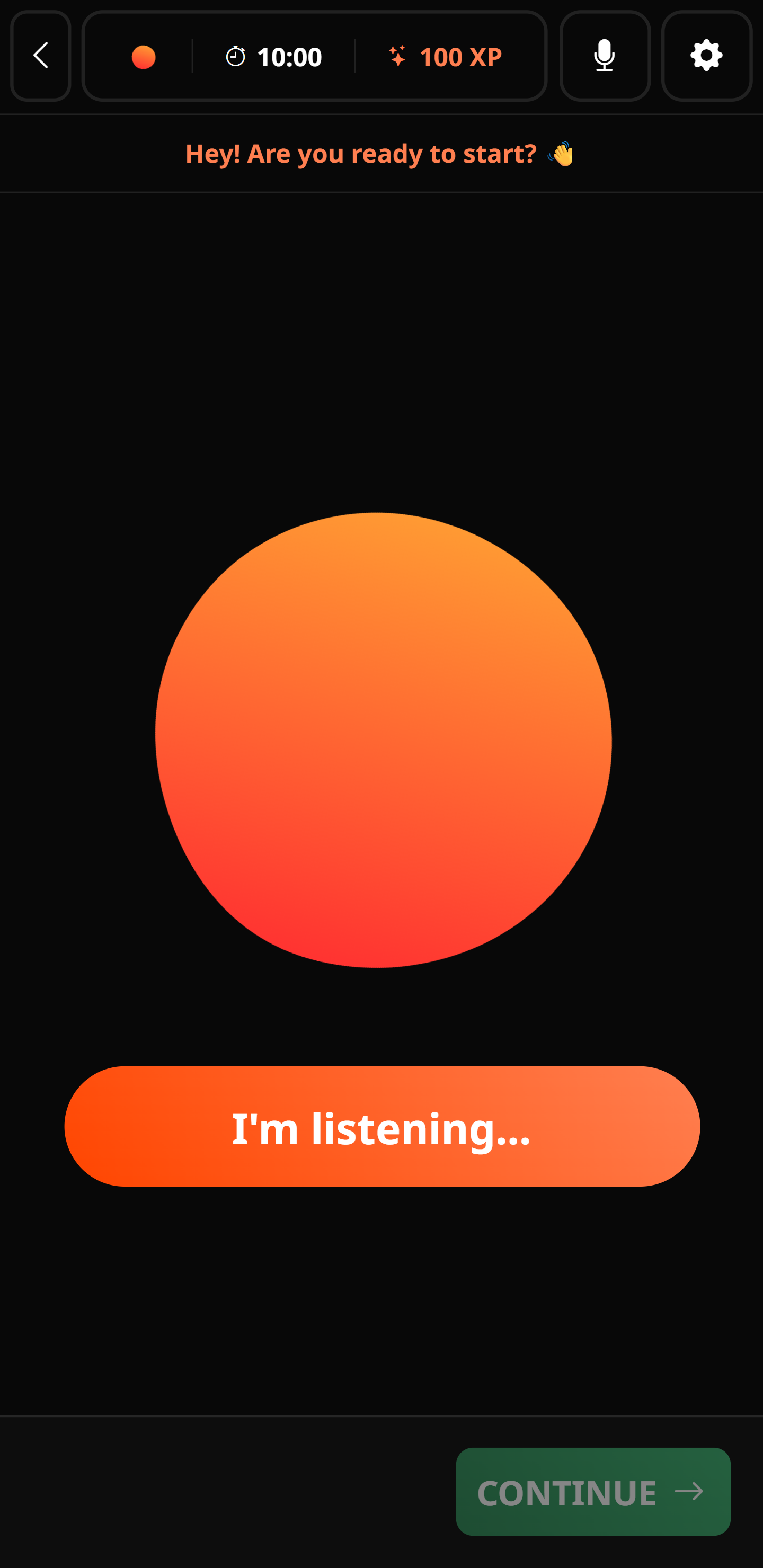
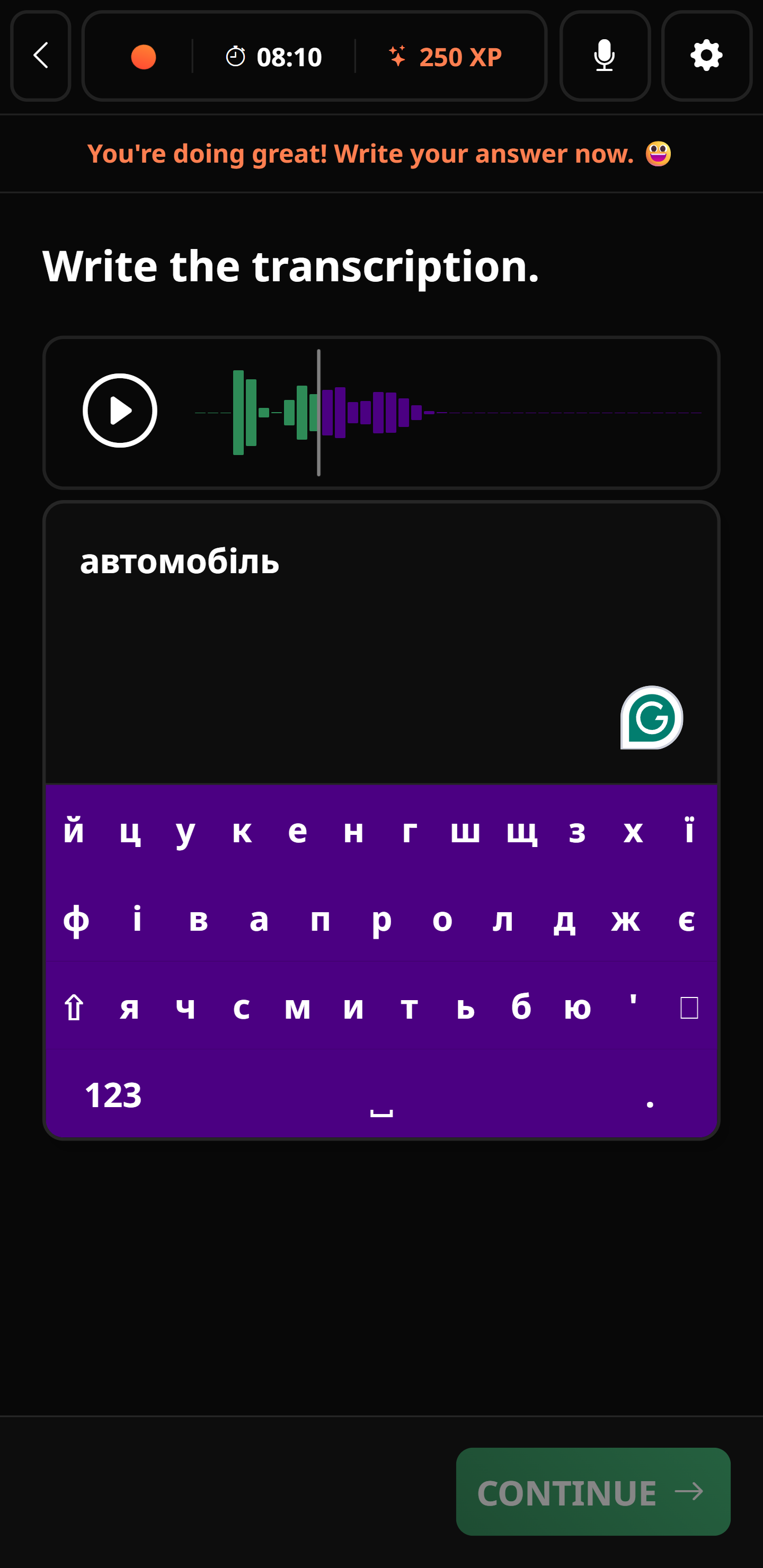
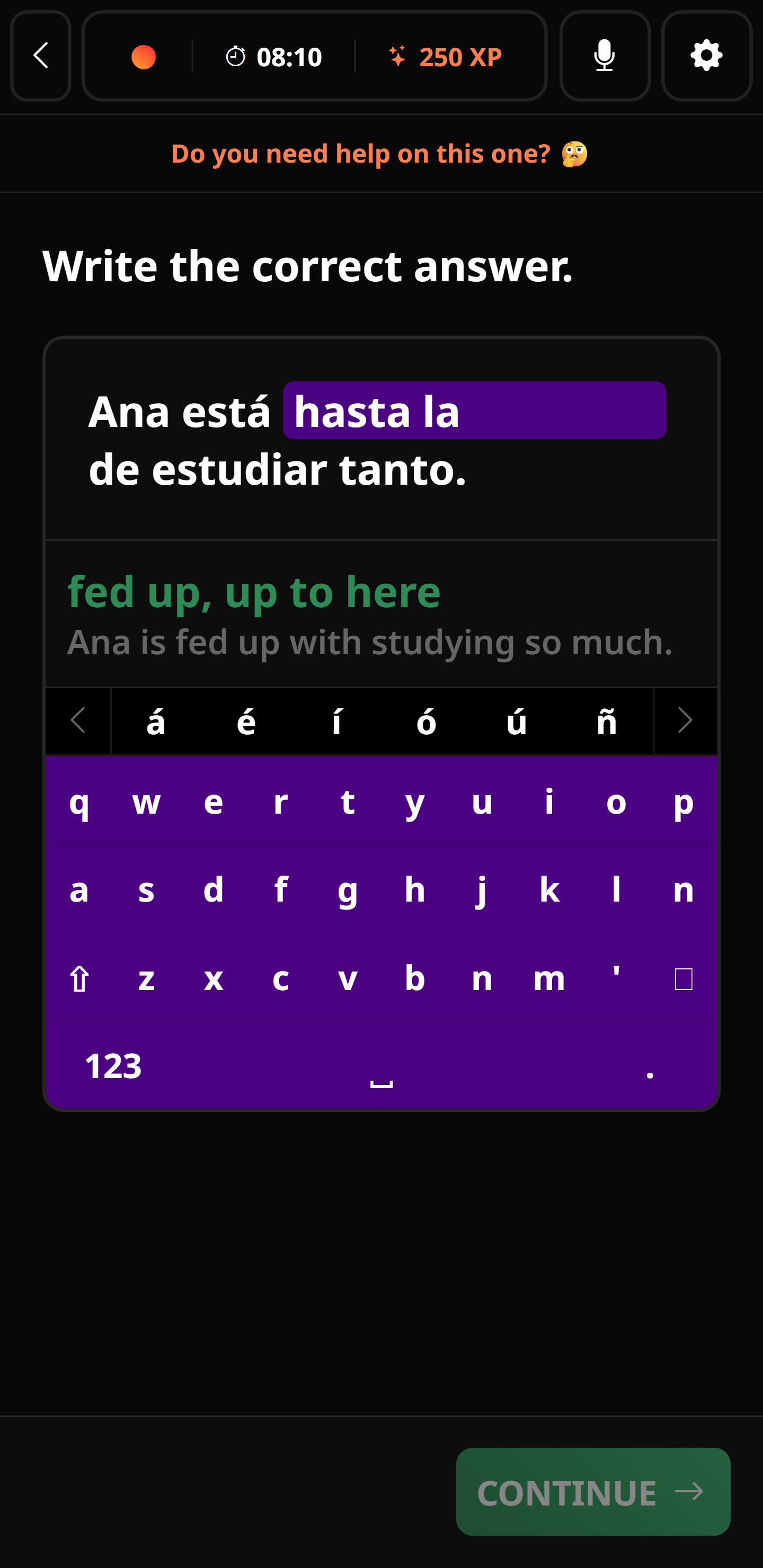
Umi is Univext's AI tutor. You speak Japanese, out loud, and Umi corrects you the moment you say 寿司を好きです or reach for あなた — the same second a native speaker would wince and say nothing.
Important
Start a free Japanese lesson with Umi — 14-day free trial, 30 minutes a day. Say 寿司が好きです out loud once, correctly, and it is yours forever. Try a free Japanese lesson →
🎓 Keep Going
- Best Apps to Learn Japanese in 2026 (Tested & Ranked)
- Is Japanese Hard to Learn? The Honest Answer
- How Long Does It Take to Learn Japanese?
- Japanese Alphabet: Hiragana and Katakana Complete Guide
- Japanese Grammar Basics: A Beginner's Guide
The learners who stop making these mistakes are not the ones who studied them hardest. They are the ones who made them out loud, early, and got corrected fast.