

If you are reading this, you have probably just seen an EF Education First quote and had a small heart attack. A three-month study abroad programme lands somewhere between $5,000 and $12,000 once you add tuition, accommodation, flights and insurance. EF English Live, the online arm, runs $100-150 per month — around $1,200-1,800 a year for group classes and self-study.
That is real money, and the honest question is not "is EF a scam" (it is not) but "am I paying for language learning, or am I paying for a trip?"
EF has been around since 1965, runs 600+ schools and offices in 50+ countries, and it is very good at some things. It is also, for most people, the most expensive way to reach the same level of spoken fluency. Below are the 5 best EF Education First alternatives in 2026, what each one is actually good at, and where EF still genuinely wins.
⚖️ First, What EF Actually Does Better
A comparison that pretends the expensive option is bad is a comparison you should not trust. Three things EF does that nothing on this list replicates:
- Real immersion. Living in London, Barcelona or Tokyo and being forced to order coffee, argue with a landlord and make friends in the target language is a different experience from any app. It compresses months of learning into weeks.
- A campus and a cohort. You get classmates, teachers who know your name, and a structure that makes you show up. For learners who cannot self-motivate, that structure is worth paying for.
- Certification and placement. EF issues recognised certificates, runs IELTS and TOEFL preparation, and its Hult MBA is properly accredited. If you need a document, an app will not give you one.
Important
If you have the budget and the free time and you want the experience as much as the language, EF study abroad is a legitimate purchase. Everything below is for the reader who wants the fluency without the five-figure invoice.
📊 Quick Comparison: EF vs The Alternatives
Become bilingual in 30 days with Univext!
Start a lesson with our teacher for free and become bilingual like our 100,000 students!
🚀 1. Univext — The Cheapest Way to Keep Speaking Every Day
The part of EF that actually builds fluency is the speaking hours. Everything else — the flights, the residence, the welcome pack — is the wrapper. Univext sells the speaking hours on their own.
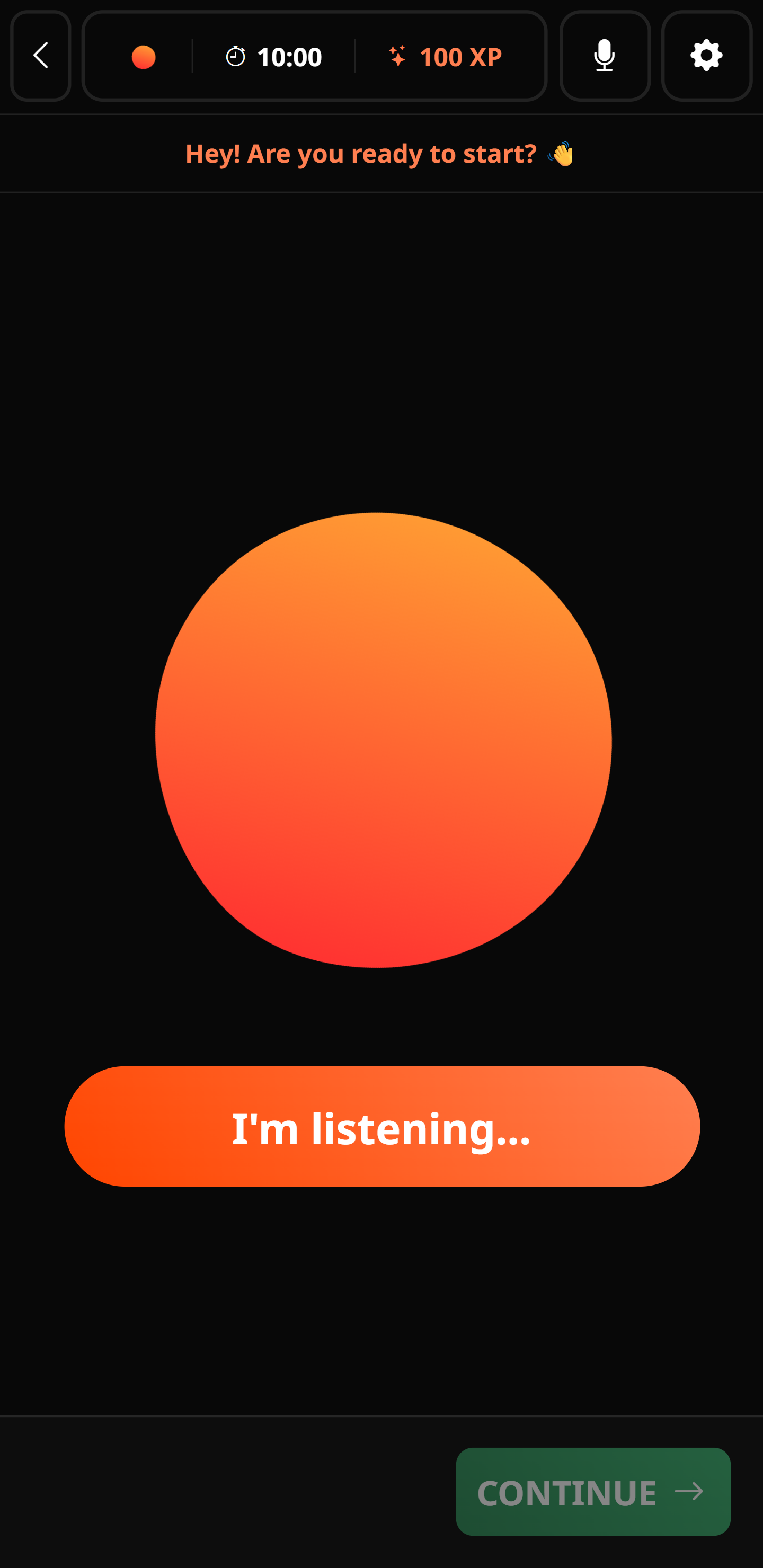
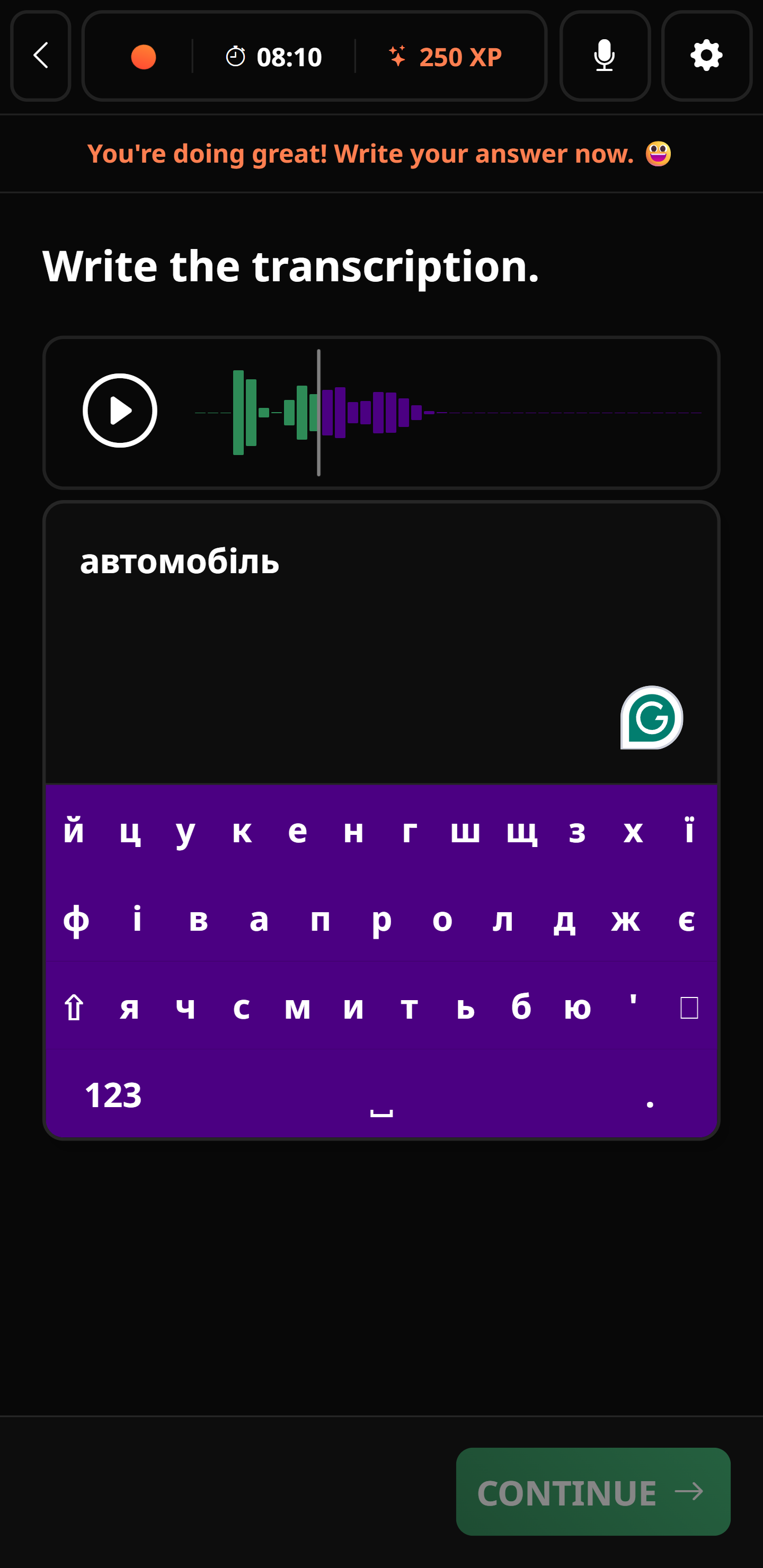
Univext runs on an AI teacher called Umi. You open the app, Umi talks to you in your target language, you talk back, and it corrects you in real time. No booking, no timetable, no waiting for a Monday morning class. Practise at 6am before work or at midnight when you cannot sleep.
What You Get
- A structured curriculum, not an open-ended chatbot: pronunciation first, then vocabulary and grammar, then real conversation
- 12 languages on one subscription — English, French, German, Greek, Italian, Japanese, Korean, Polish, Portuguese, Russian, Spanish, Ukrainian
- Unlimited 1-on-1 practice at a monthly price starting at €49 — less than a single hour with most private teachers
- A 14-day free trial with 30 minutes a day, so you can find out whether you actually use it before you commit
The Honest Trade-Off
Umi will not put you in a room in Brighton with twelve other students. It will not hand you a certificate. What it will do is give you more speaking minutes per euro than any human-led option on earth, every single day, for the price of two cinema tickets.
Important
Start the 14-day free trial at univext.com/register and see how far 30 minutes a day gets you before you wire anyone five figures.
If you want the deeper breakdown of what EF charges and what it delivers, we wrote a full EF Education First review.





Join more than 100,000 students learning on Univext
👨🏫 2. iTalki — When You Specifically Want a Human
If the reason you were looking at EF is that you want a real person correcting you, iTalki gets you that at a fraction of the cost. It is a marketplace: certified teachers on one side, cheaper "community tutors" — native speakers who will simply talk with you — on the other.
Pros: genuine human feedback, enormous tutor pool, you pay only for the lessons you take.
Cons: you are back to scheduling around someone else, quality swings hard between tutors, and daily practice gets expensive fast — five hours a week at $20 is $400 a month.
🎓 3. Lingoda — Structured Classes Without the Plane Ticket
Lingoda is the closest thing to the EF classroom experience without relocating. Live group classes, 45 minutes, three to five students, certified teachers, and a CEFR-aligned curriculum so you always know which level you are working toward. Strongest in English, German, French and Spanish.
When Lingoda Beats EF
- You want the cohort and the schedule discipline, but not the accommodation bill
- You need CEFR progression documented for a job or a visa file
- You can commit to fixed class times
Notes
Lingoda classes typically run $15-25 each. Take three a week and you are near $200-300 a month — cheaper than EF English Live plus private lessons, far more expensive than an AI tutor.
Become bilingual in 30 days with Univext!
Start a lesson with our teacher for free and become bilingual like our 100,000 students!
🏫 4. A Local Language School — The Underrated Option
Nobody puts this on a listicle because there is no affiliate link, but it is often the right answer. A decent in-person school in your own city charges $150-400 a month for several classes a week. You get a teacher, classmates, and a room you have to physically walk into — which is most of what makes EF work — at a tenth of the study abroad price and with no flights.
Where it falls short: the level of the class is set by the slowest person in it, and you are limited to whatever languages your city happens to teach.
🌍 5. Do the Immersion Yourself
The uncomfortable truth about EF study abroad is that you can buy the components separately. A month of accommodation in Valencia, a cheap local school, and your own daily conversation practice costs a fraction of the packaged version. What you lose is the safety net: airport pickup, a placement test, insurance, someone to call when something goes wrong.
Notes
This works well for confident adults with a flexible job. It works badly for teenagers, first-time travellers, and anyone who needs the paperwork a formal programme provides. That safety net is a real part of what EF sells, and it is fair that it costs something.
Join more than 100,000 students learning on Univext
💡 Which EF Alternative Fits You?
- You want to speak every day and spend as little as possible → Univext
- You want a human teacher, on your terms → iTalki
- You want the classroom and the certificate track, from home → Lingoda
- You want in-person teaching in your own city → a local school
- You want immersion and can organise it yourself → do it yourself
- You want the full experience, the campus and the certificate, and the budget is there → EF is still fine. Go.
For most people, the real question is the one at the top: are you buying language learning, or are you buying a trip? If it is the language, the cheapest path to fluency in 2026 is daily speaking practice — and daily speaking practice no longer requires a plane.
Become bilingual in 30 days with Univext!
Start a lesson with our teacher for free and become bilingual like our 100,000 students!
❓ Frequently Asked Questions
Is EF Education First worth the money?
It depends entirely on what you want from it. As a travel and immersion experience with language teaching attached, it is a solid product from a company with sixty years of operational experience. As a pure route to spoken fluency, it costs ten to fifty times what an AI tutor or a local school charges for the same speaking hours.
What is the cheapest alternative to EF Education First?
An AI tutor is the cheapest option that still involves actually speaking. Univext starts at €49 a month for unlimited 1-on-1 practice across 12 languages, against $100-150 a month for EF English Live and $1,500-4,000 a month for study abroad.
Can I get fluent without studying abroad?
Yes. Immersion accelerates learning because it forces daily use — but daily use is the active ingredient, not the plane ticket. Thirty focused minutes of speaking every day at home outperforms two immersion weeks followed by six months of nothing.
Does EF offer a free trial?
No. EF English Live and study abroad both require payment or a deposit up front. Univext gives you 14 days with 30 minutes a day so you can test whether you will really use it.
Is EF English Live the same as EF study abroad?
No, and this trips people up. EF English Live is an online platform built around group classes with optional paid 1-on-1 add-ons. Study abroad is the physical programme with accommodation. They are different products at very different prices, sharing a brand.
✅ Final Verdict
EF Education First is not a bad company — it is an expensive one, and much of what you are paying for is the experience around the language rather than the language itself. If the experience is what you want, buy it.
If what you want is to be able to hold a conversation, Univext is the best EF Education First alternative in 2026: unlimited daily speaking practice, 12 languages, one subscription, and a 14-day free trial to prove it before you pay for a year of anything.
Also worth reading: our best Preply alternatives guide, if you have been comparing tutor marketplaces alongside EF.