



Every Portuguese learner makes the same mistakes. Not because they are careless — because English and Spanish quietly lie to them. English tells them "I am tired" and "I am tall" work the same way. Spanish tells them esquisito must mean "exquisite" and largo must mean "long."
None of that is true in Portuguese, and the gap between what your brain expects and what Portuguese actually does is where almost every beginner error lives.
Important
This guide teaches Brazilian Portuguese throughout — the variety most learners start with, and the one with the most speakers by a wide margin. Where European Portuguese does something genuinely different, it is flagged explicitly. Mixing the two mid-sentence is itself one of the most common mistakes, so pick one and stay there.
Below are the 15 mistakes that show up in nearly every learner's first year — the ser vs estar coin-flip, the Spanish false friends that make you say something embarrassing, the nasal vowels natives hear instantly, and the personal infinitive nobody warns you about. Each one gets the wrong version, the right version, and a one-line reason so it actually sticks.
⚖️ 1. Using Ser Where You Need Estar
The single biggest Portuguese mistake, and it is a landmine because both words translate to "to be."
- ❌ Eu sou cansado. → "I am a tired person, by nature."
- ✅ — "I am tired (right now)."
- ✅ — "I am Brazilian." (permanent — ser is correct)
Why: is for identity, origin, profession, permanent traits. is for states, moods, locations, anything temporary.
Example
Ela é bonita = she is a beautiful person. Ela está bonita = she looks beautiful tonight. Same two words, completely different compliment.
🪤 2. Trusting Spanish False Friends
If you speak any Spanish, this will cost you more than grammar ever will. The words look identical and mean something else.
- ❌ O jantar estava esquisito. → "Dinner was weird."
- ✅ — "Dinner was delicious."
Why: Portuguese and Spanish split from the same root and then drifted for eight centuries. Assume any word that looks suspiciously Spanish is lying.
Become bilingual in 30 days with Univext!
Start a lesson with our teacher for free and become bilingual like our 100,000 students!
🍽️ 3. Saying Eu sou fome for "I'm Hungry"
Direct translation from English. Portuguese does not be hungry — it is with hunger.
- ❌ Eu sou fome. / Eu estou fome.
- ✅ — "I'm hungry."
- ✅ — "I'm thirsty."
- ✅ — "I'm cold."
Why: in Brazilian Portuguese the pattern is estar com plus the noun. European Portuguese prefers , literally "I have hunger" — both are correct Portuguese, but they belong to different varieties. Pick one.





Join more than 100,000 students learning on Univext
🙏 4. Saying Obrigado When You Are a Woman
Two letters, and it marks you instantly.
- ❌ A woman saying obrigado.
- ✅ — said by a woman.
- ✅ — said by a man.
Why: is an adjective, not an interjection. It literally means "obliged," and it agrees with the speaker, never with the person you are thanking. A man thanking a woman still says obrigado.
👃 5. Ignoring Nasal Vowels
This is the one that makes natives ask you to repeat yourself. Portuguese has vowels that resonate through the nose, and English does not.
Why: the tilde ~ and a final -m or -n are not consonants to pronounce — they are instructions to let air through your nose while the vowel sounds. Nothing closes your lips at the end of .
Notes
Test yourself: pinch your nose and say não. If it sounds identical to before, you are not nasalising it — you are saying a Portuguese word with an English mouth, and it is the fastest thing a native ear notices.
Become bilingual in 30 days with Univext!
Start a lesson with our teacher for free and become bilingual like our 100,000 students!
🍞 6. Pluralising -ão by Adding an s
There are three plural patterns and English speakers guess the wrong one every time.
- ❌ dois pãos
- ✅ — "two loaves of bread."
- ✅ — "two hearts." (
coração→-ões) - ✅ — "two hands." (
mão→-ãos)
Why: -ão becomes -ões most of the time, -ães for a small set (pão, cão, alemão, capitão), and -ãos for another small set (mão, irmão, cidadão). There is no rule that predicts it — learn the plural with the word.
❤️ 7. Forgetting That Gostar Needs De
You cannot like something in Portuguese. You can only like of something.
- ❌ Eu gosto música.
- ✅ — "I like music."
- ✅ — "I like that." (
de+isso=disso)
Why: always takes the preposition de, and when de meets a following word it usually fuses with it: de + o = do, de + a = da, de + isso = disso.
Join more than 100,000 students learning on Univext
🔗 8. Not Contracting Prepositions With Articles
Portuguese refuses to leave a preposition sitting next to an article. Writing them apart is a straight error, not a stylistic choice.
Why: the contraction is obligatory. em + o is never anything but no.
Become bilingual in 30 days with Univext!
Start a lesson with our teacher for free and become bilingual like our 100,000 students!
🧩 9. Never Learning the Personal Infinitive
Portuguese has a tense almost no other language has, and learners avoid it for years by writing clumsy sentences instead.
- ❌ É importante para nós estudar. (understandable, but flat)
- ✅ — "It's important that we study."
- ✅ — "Before you all leave, close the door."
- ✅ — "He left without me seeing."
Why: the infinitive itself takes person endings — -mos for nós, -em for eles/vocês. It lets you say who is doing the action without a subordinate clause. This is the single feature that makes written Portuguese sound native rather than translated.
🏠 10. Using Há Where Brazilians Say Tem
Both mean "there is." Only one sounds normal in Brazil.
- ⚠️ Há muitas pessoas aqui. — grammatically perfect, sounds formal or written.
- ✅ — "There are a lot of people here." (natural spoken Brazilian)
Why: spoken Brazilian Portuguese uses for existence almost exclusively. European Portuguese keeps . Neither is wrong — using há in casual Brazilian speech simply marks you as someone who learned from a textbook.
👉 11. Putting Object Pronouns After the Verb
This is where European and Brazilian Portuguese split hardest, and learners mix the two in a single sentence.
- ❌ (in Brazil) Ajuda-me, por favor.
- ✅ — "Help me, please." (Brazilian)
- ✅ — "He told me the truth."
Why: Brazilian Portuguese puts the pronoun before the verb, even at the start of a sentence. European Portuguese hyphenates it after (ajuda-me). Both are correct in their own variety — the mistake is using the European form and then saying tem and estou com fome in the next breath.
Become bilingual in 30 days with Univext!
Start a lesson with our teacher for free and become bilingual like our 100,000 students!
🔄 12. Confusing Por and Para
- ❌ Este presente é por você.
- ✅ — "This gift is for you."
- ✅ — "Thanks for everything."
Why: points forward — destination, purpose, recipient. points backward or through — cause, reason, exchange, route. "For you" is a recipient, so para. "Thanks for X" is a cause, so por.
🧠 13. Using Saber for People
- ❌ Eu sei o João.
- ✅ — "I know João."
- ✅ — "I know how to speak Portuguese."
Why: is to be acquainted with — people, cities, films, restaurants. is to know a fact or a skill. You conhecer a person and saber their name.
🔢 14. Making Muito Agree When It Should Not
- ❌ Ela é muitos bonita.
- ✅ — "She is very beautiful." (adverb — never changes)
- ✅ — "many people." (adjective — agrees)
Why: before an adjective or a verb, means "very" and is frozen. Before a noun it means "many" and agrees in gender and number: muito café, muita água, muitos livros, muitas casas.
Become bilingual in 30 days with Univext!
Start a lesson with our teacher for free and become bilingual like our 100,000 students!
🗣️ 15. Learning Portuguese Without Ever Saying It Out Loud
The mistake that makes all the others permanent.
Nasal vowels, ser vs estar, pronoun placement — none of these are knowledge problems. You can recite the ser/estar rule perfectly and still say eu sou cansado the second someone asks how you are. They are reflex problems, and reflexes only build in real time, under mild pressure, with someone correcting you the instant you slip.
Reading this article will not fix your Portuguese. Saying these fifteen sentences out loud, badly, to something that answers back — that will.
Join more than 100,000 students learning on Univext
🚀 How to Actually Fix These
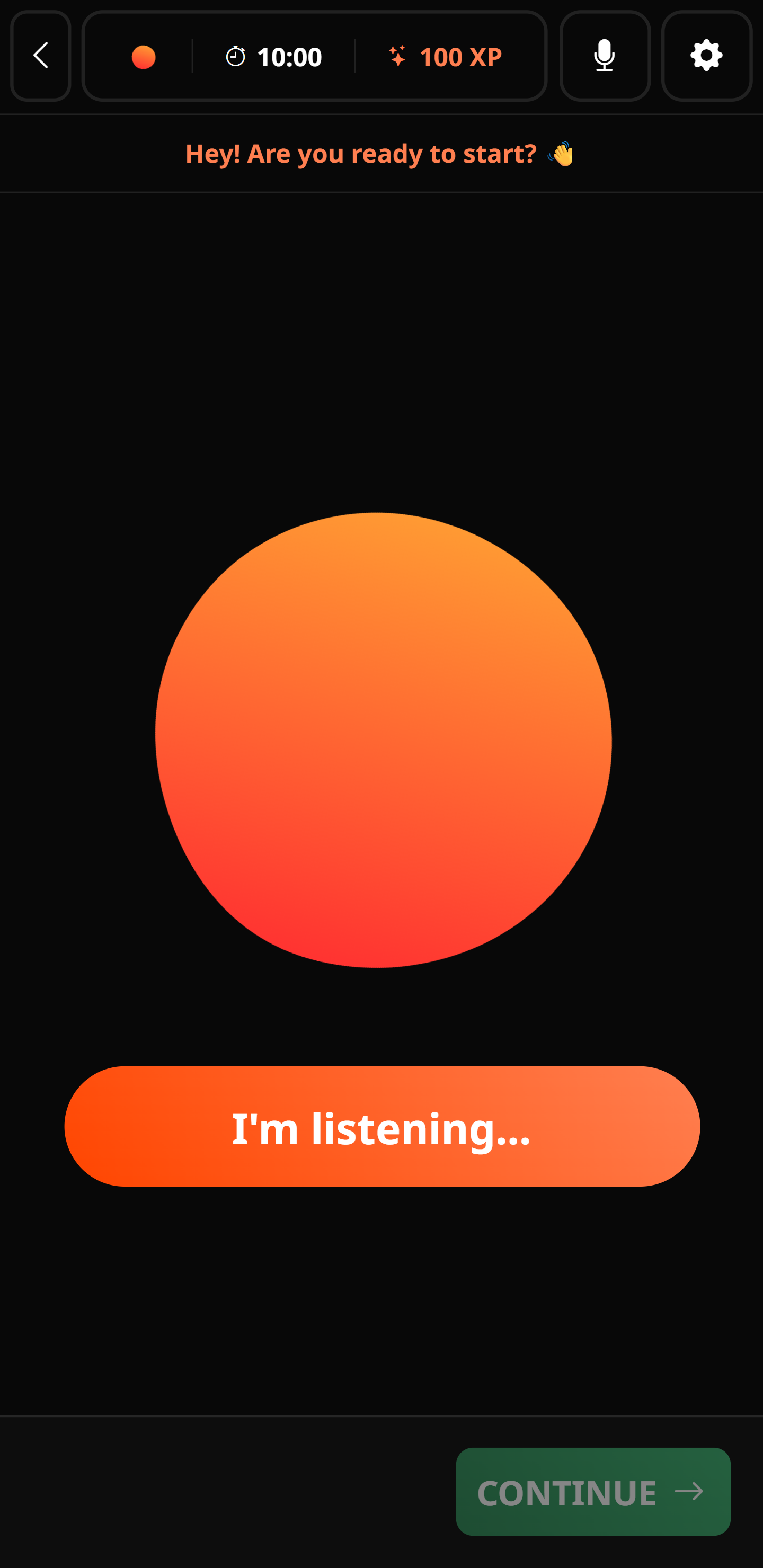
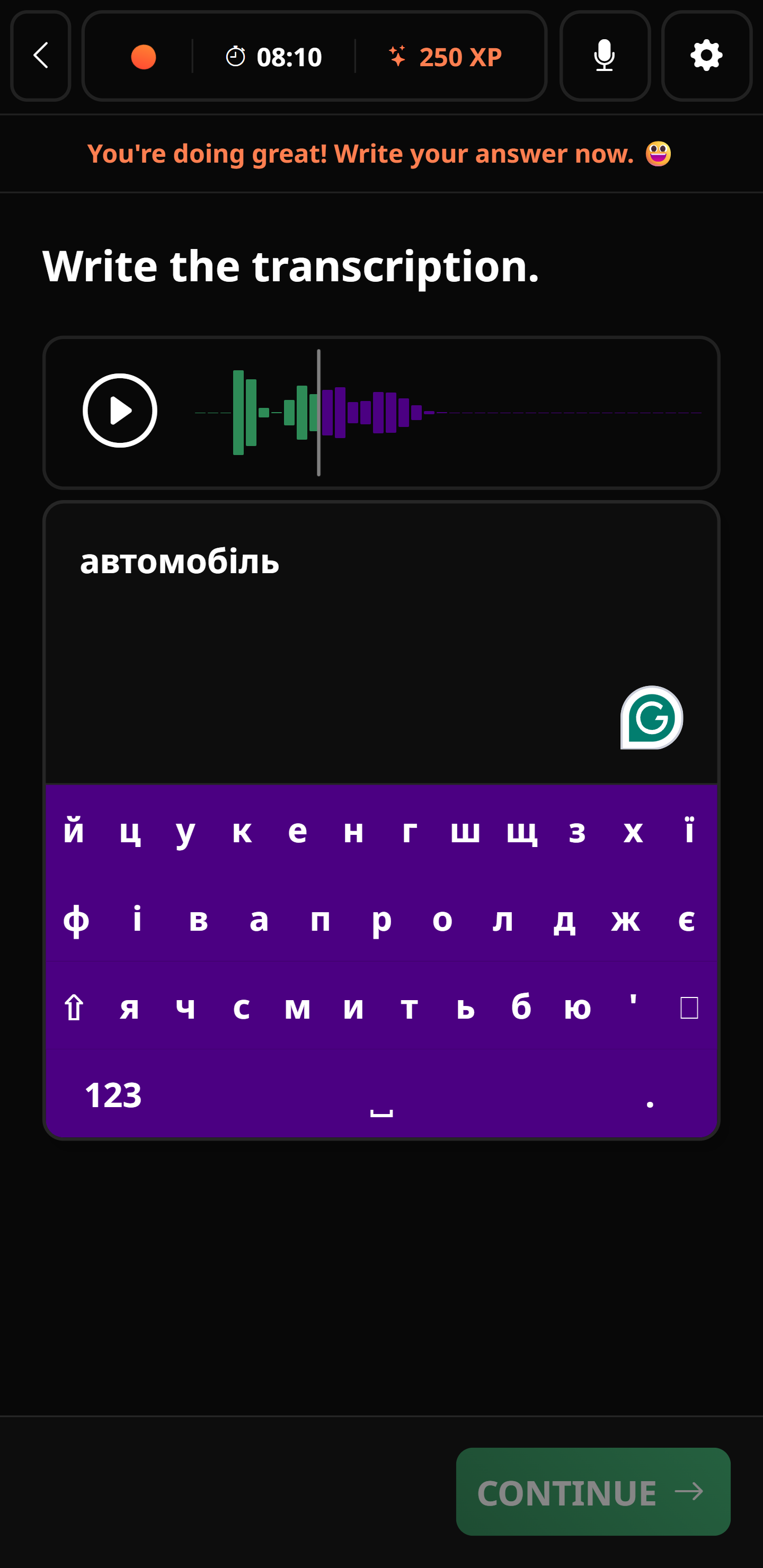
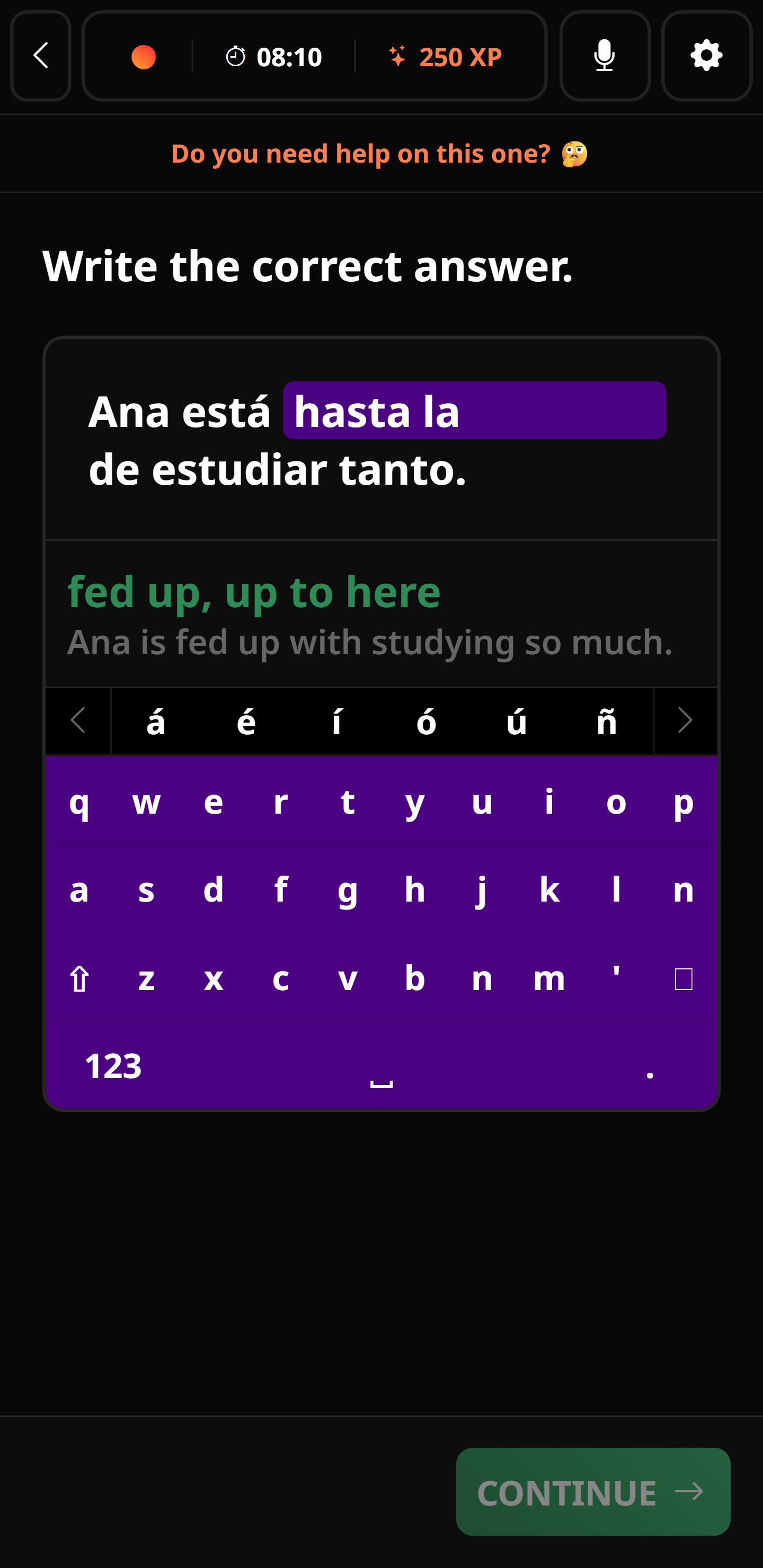
Umi is Univext's AI tutor. You speak Portuguese, out loud, and Umi corrects you the moment you say eu sou cansado or flatten a nasal vowel — the same second a native speaker would notice and politely say nothing.
Important
Start a free Portuguese lesson with Umi — 14-day free trial, 30 minutes a day. Say estou com fome out loud once, correctly, and it is yours forever. Try a free Portuguese lesson →
🎓 Keep Going
- Best Apps to Learn Portuguese in 2026 (Tested & Ranked)
- Brazilian vs. European Portuguese: What's the Difference?
- Is Portuguese Hard to Learn? The Honest Answer
- How Long Does It Take to Learn Portuguese?
- Basic Portuguese Phrases for Travel
The learners who stop making these mistakes are not the ones who studied them hardest. They are the ones who made them out loud, early, and got corrected fast.