
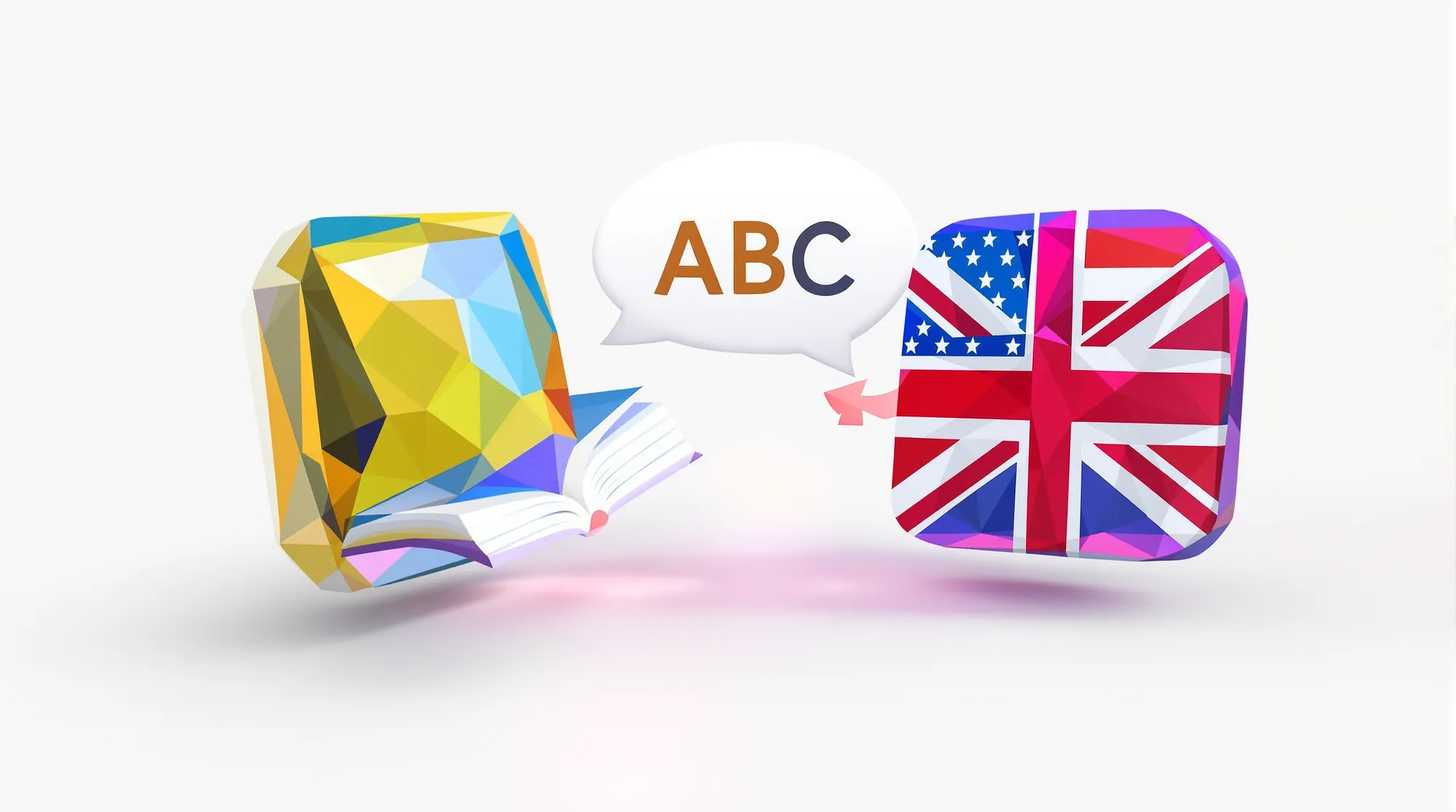
🇬🇧 Babbel vs Rosetta Stone for English: Which One Actually Works?
Learning English in 2026 is not the same problem as learning it in 2010. You are surrounded by English already — films, music, work emails, YouTube. The hard part is not exposure. The hard part is producing it: opening your mouth in a meeting, on a call, at passport control, and having the sentence come out. Babbel and Rosetta Stone are the two premium platforms most learners narrow it down to, so we tested both specifically for English learners.
Below: how each one actually teaches English, what the speaking practice really does, what they cost in 2026, and the honest verdict — including the option most people never consider.
Notes
This comparison covers English as a foreign language. Both platforms teach a mix of American and British English; Rosetta Stone leans American, Babbel offers both but defaults to American in most markets.
📚 How They Teach English
Babbel builds around short 10–15 minute lessons anchored in real situations — a job interview, renting a flat, small talk at a conference. English-specific content covers the areas that actually trip learners up: phrasal verbs (get by, put up with, look into), the present perfect versus the past simple, article use, and the irregular verb list. Explanations appear inline, in your own language, which matters enormously for English because the grammar rules are mostly exceptions.
Rosetta Stone does the opposite. Full immersion, no translations, no instructions in your language. You match English words and phrases to images and infer the pattern yourself. For English this is a mixed bag: vocabulary and basic sentence shapes sink in reasonably well, but English's genuinely confusing parts — when to use the, why I've lived here is not I live here since — are almost impossible to guess from pictures. You end up sensing a pattern without ever being told the rule.
Become bilingual in 30 days with Univext!
Start a lesson with our teacher for free and become bilingual like our 100,000 students!
🎙️ Speaking Practice — The Honest Truth
This is where the comparison stops being close and starts being disappointing for both.
Babbel includes speech recognition that scores your pronunciation of single words and set phrases. It will tell you whether thought came out cleanly. It will not ask you a follow-up question, it will not react to what you said, and it will never let you get something wrong in an interesting way.
Rosetta Stone's TruAccent is the better phonetic engine of the two. It was built to catch vowel distinctions, which genuinely helps with English pairs learners struggle with — ship / sheep, bad / bed, live / leave. But it is still scoring isolated utterances against a reference. There is no conversation on the other side.
Important
If your goal is to SPEAK English — in a meeting, an interview, a phone call — neither Babbel nor Rosetta Stone gets you there on its own. Both assume you will find real conversation practice somewhere else.
That gap is the whole reason so many learners finish a full course, score well on every exercise, and still freeze the first time a native speaker talks at normal speed.





Join more than 100,000 students learning on Univext
💰 Pricing (2026)
Both discount aggressively — 50% off is close to permanent, so never pay list price. Rosetta Stone's lifetime plan is the better deal if you are certain you will stay the course for years. Babbel's short plans suit anyone who wants to test the method before committing.
🏆 Which One Wins for English?
Babbel wins if: you want the grammar actually explained, you are learning for work, and you need phrasal verbs and tenses laid out rather than guessed at.
Rosetta Stone wins if: you already speak another European language, you learn well visually, and you want to build an ear for English pronunciation before worrying about rules.
For English specifically, Babbel is the stronger pick for most learners. English grammar is a pile of exceptions, and a method that refuses to explain exceptions is fighting the language.
But both share the same ceiling: they teach you to recognise English. Neither teaches you to produce it under pressure.
Become bilingual in 30 days with Univext!
Start a lesson with our teacher for free and become bilingual like our 100,000 students!
🚀 The Alternative Most People Miss: Univext
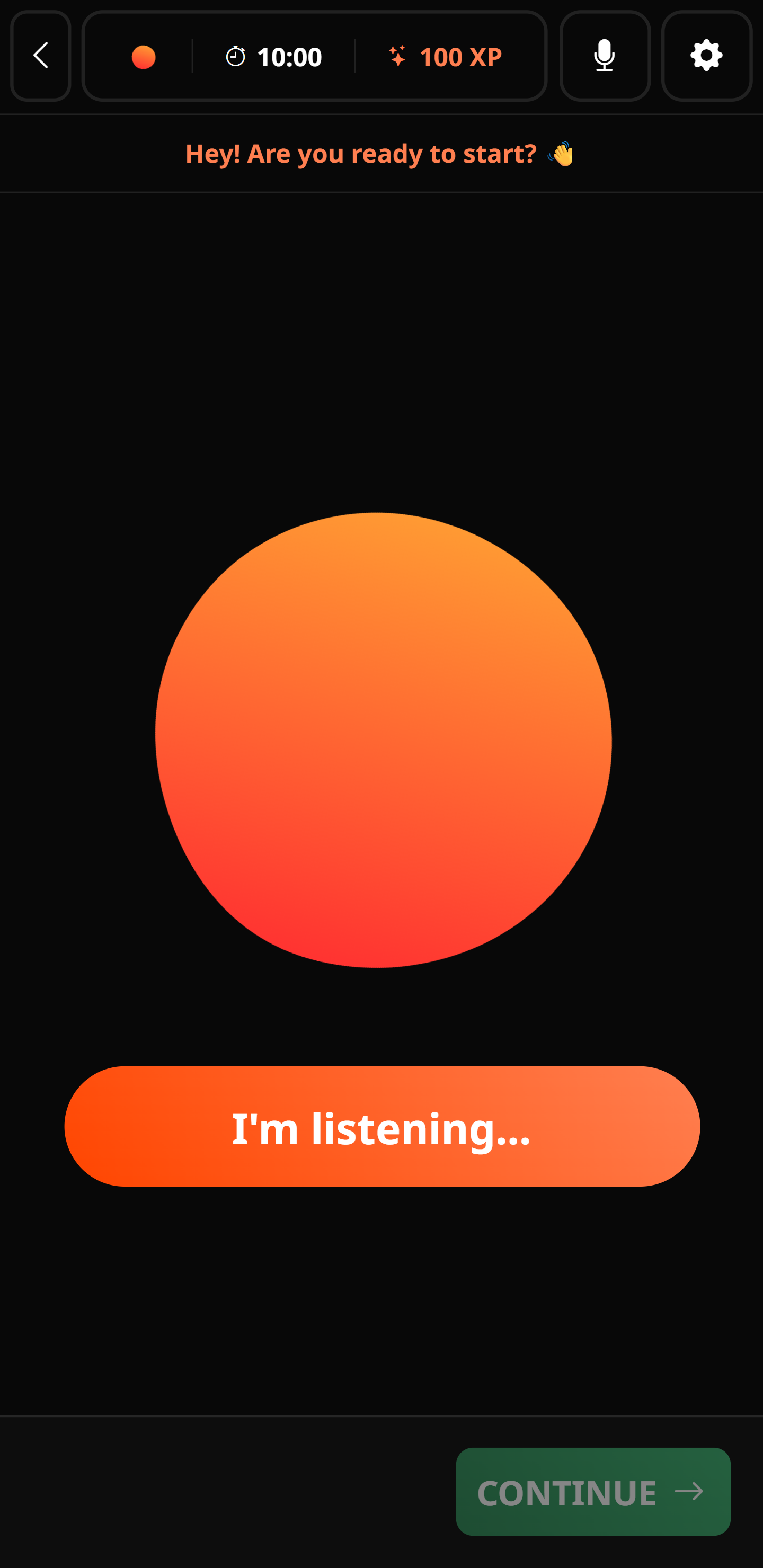
Univext went after the part both apps skip. Instead of a better exercise app, we built Umi — an AI English tutor that actually talks with you. Live, unscripted conversation. Pronunciation corrected as you speak, not scored afterwards. Lessons that shift toward whatever you keep getting wrong.
You can interrupt Umi. You can ask her to slow down, to repeat, to explain a word in your own language when you are stuck. She will build a plan around your reason for learning English — a job, a move, an exam, a partner's family — and rehearse those exact conversations with you. The distance between "studying English" and "talking to someone in English" is the entire distance that matters.
Important
Try a free lesson with Umi — 14 days free, 30 minutes a day. Talk to her tonight and hear the difference yourself.
🔍 Still Comparing Apps?
If you want the wider field rather than just these two, we ranked everything worth considering here: Best Apps to Learn English in 2026 (Tested & Ranked).
Join more than 100,000 students learning on Univext
🎯 Final Verdict
Between Babbel and Rosetta Stone for English in 2026, pick Babbel. Clearer grammar, better workplace content, and instruction in your own language when English decides to be irrational — which it does constantly. Rosetta Stone's pure-immersion method has aged least well precisely where English is hardest.
But if what you actually want is to speak English in three months rather than recognise it, start with Univext's English course. Umi talks with you from the first lesson, and most learners feel the shift by week two.
Ready to start? Try Umi free for 14 days and find out what a real AI English tutor feels like.