



Every French learner makes the same mistakes. Not because they're careless — because English quietly lies to them. It tells them actuellement means "actually." It tells them a table can't have a gender. It tells them the last letter of a word gets pronounced.
None of that is true in French, and the gap between what your English brain expects and what French actually does is where almost every beginner error lives.
Below are the 15 mistakes that show up in nearly every learner's first year — the faux amis that make you say something embarrassing, the gender traps, the passé composé coin-flip between avoir and être, and the silent letters that make natives politely pretend they understood you. Each one gets the wrong version, the right version, and a one-line reason so it actually sticks.
Fix these fifteen and you'll sound less like someone translating and more like someone speaking.
🎭 1. False Friends: Actuellement Doesn't Mean "Actually"
This is the single most common French mistake in English speakers, and it's a landmine because the sentence still works — it just says something else.
- ❌ Actuellement, je ne suis pas d'accord. → "Currently, I don't agree."
- ✅ — "Actually, I don't agree."
Why: means currently, right now. "Actually" is .
📚 2. Librairie Is a Bookshop, Not a Library
You will ask for a library, be sent to a bookshop, and buy a book you didn't want.
- ❌ Je vais à la librairie pour emprunter un livre. → "I'm going to the bookshop to borrow a book."
- ✅ — "I'm going to the library."
Why: sells books. lends them.
Notes
The pattern repeats everywhere: une location is a rental, not a place. Rester means to stay, not to rest. Blesser means to injure, not to bless. When a French word looks suspiciously English, assume it's lying.
Become bilingual in 30 days with Univext!
Start a lesson with our teacher for free and become bilingual like our 100,000 students!
⚠️ 3. Je suis excité Does Not Mean "I'm Excited"
The classic. Say this to a French colleague and watch their eyebrows move.
- ❌ Je suis excité pour le voyage. → strongly suggests sexual arousal.
- ✅ — "I can't wait for the trip."
Why: carries a physical connotation. Use or .





Join more than 100,000 students learning on Univext
🚻 4. Guessing Noun Gender Instead of Learning It
English speakers try to reason about gender. There is nothing to reason about. is feminine. is masculine. A table is not more feminine than a desk.
- ❌ Le table est grand.
- ✅
Why: gender isn't a property of the object, it's a property of the word — and it drags the article, the adjective, and often the past participle along with it. Get it wrong and the whole sentence wobbles.
The fix: never learn a noun alone. Learn la table, never table. The article is part of the word.
Example
Endings that are usually reliable: -tion, -sion, -té, -ette, -ance → feminine. -ment, -age, -eau, -isme, -oir → masculine. Roughly 80% accurate — good enough to guess when you're stuck mid-sentence.
🔇 5. Pronouncing the Final Consonant
English rewards you for pronouncing every letter. French punishes you.
Why: final -s, -t, -d, -x, -z, and -p are almost always silent. The vowel before them carries the word.
The exception worth memorising: C-R-F-L — careful — those four consonants usually do get pronounced at the end (avec, bonjour, chef, avril).
Become bilingual in 30 days with Univext!
Start a lesson with our teacher for free and become bilingual like our 100,000 students!
🔗 6. Skipping the Liaison
Related, and it's what makes learners sound choppy. When a word ending in a silent consonant meets a word starting with a vowel, the consonant wakes up.
- ❌ nous // avons (two separate blocks)
- ✅ — pronounced "noo-zavons"
- ✅ — "lay-zenfants"
- ✅ — "un peti-tami"
Why: French flows in sound-groups, not words. Liaison is the glue.
🤝 7. Using Tu With Everyone
You are not being friendly. You are being presumptuous.
- ❌ To a shopkeeper: Tu as des croissants ?
- ✅
Why: is the default for anyone you don't know, anyone older, anyone serving you, and any professional context. is for friends, family, children, and colleagues who've invited you to — literally, they'll say .
Important
The safe rule: start with vous, always. Being slightly too formal costs nothing. Being too familiar with a stranger reads as rude, and they will not tell you.
Join more than 100,000 students learning on Univext
🎯 8. Avoir vs Être in the Passé Composé
The coin-flip that ruins otherwise good sentences. Most verbs take . A small set takes .
- ❌ J'ai allé au marché.
- ✅ — "I went to the market."
- ✅ — "I ate an apple." (avoir — correct)
Why: verbs of movement and change of state take être: aller, venir, arriver, partir, entrer, sortir, monter, descendre, naître, mourir, rester, tomber, retourner, passer — plus all reflexive verbs.
And the sting: with être, the past participle agrees with the subject. A woman writes . A group writes . With avoir, no agreement with the subject — ever.
Become bilingual in 30 days with Univext!
Start a lesson with our teacher for free and become bilingual like our 100,000 students!
🪞 9. Forgetting Reflexive Verbs Take Être
- ❌ Je m'ai levé à sept heures.
- ✅ — "I got up at seven."
Why: every reflexive verb (se lever, se coucher, se laver, s'appeler…) takes être in the past. No exceptions.
📅 10. Saying Je suis 30 ans
Direct translation from "I am 30 years old." French doesn't be an age — it has one.
- ❌ Je suis trente ans.
- ✅ — "I'm thirty."
Why: same family as (I'm hungry), (I'm cold), (I'm afraid). French has the state; English is it.
🍞 11. Dropping the Partitive Article
English says "I eat bread." French refuses to.
- ❌ Je mange pain.
- ✅ — "I eat (some) bread."
- ✅ — "I drink water."
Why: for uncountable things, French demands du / de la / de l' / des. There's no such thing as a bare noun after an eating or drinking verb.
And the twist: in the negative, all of it collapses to de. .
Become bilingual in 30 days with Univext!
Start a lesson with our teacher for free and become bilingual like our 100,000 students!
🔢 12. Ignoring Adjective Agreement — and Position
Two mistakes in one line, usually.
- ❌ Les voitures noir. / une rouge voiture
- ✅ — adjective agrees in gender and number.
- ✅ — adjective goes after the noun.
Why: most French adjectives follow the noun. The famous exceptions — beauty, age, goodness, size — come before: , , .
❌ 13. Forgetting the Second Half of the Negation
- ❌ Je sais pas… je comprends. (as written French)
- ✅
Why: French negation is a sandwich: ne … pas around the conjugated verb. Spoken French drops the ne constantly — j'sais pas — but written French never does, and a dropped ne in an email or exam is a straight error.
🕑 14. Translating "For" Directly with Time
- ❌ J'étudie le français pour deux ans.
- ✅ — "I've been studying French for two years."
Why: for an action that started in the past and is still happening, French uses with the present tense — not the past. Pour is for future duration: .
Become bilingual in 30 days with Univext!
Start a lesson with our teacher for free and become bilingual like our 100,000 students!
🗣️ 15. Learning French Without Ever Saying It Out Loud
The mistake that causes all the others to stick.
Gender, liaison, tu/vous, silent letters — none of these are knowledge problems. You can recite the rule for être verbs and still say j'ai allé the moment someone asks where you went. They are reflex problems, and reflexes only build in real time, under mild pressure, with someone correcting you the instant you slip.
Reading this article will not fix your French. Saying these fifteen sentences out loud, badly, to something that answers back — that will.
Join more than 100,000 students learning on Univext
🚀 How to Actually Fix These
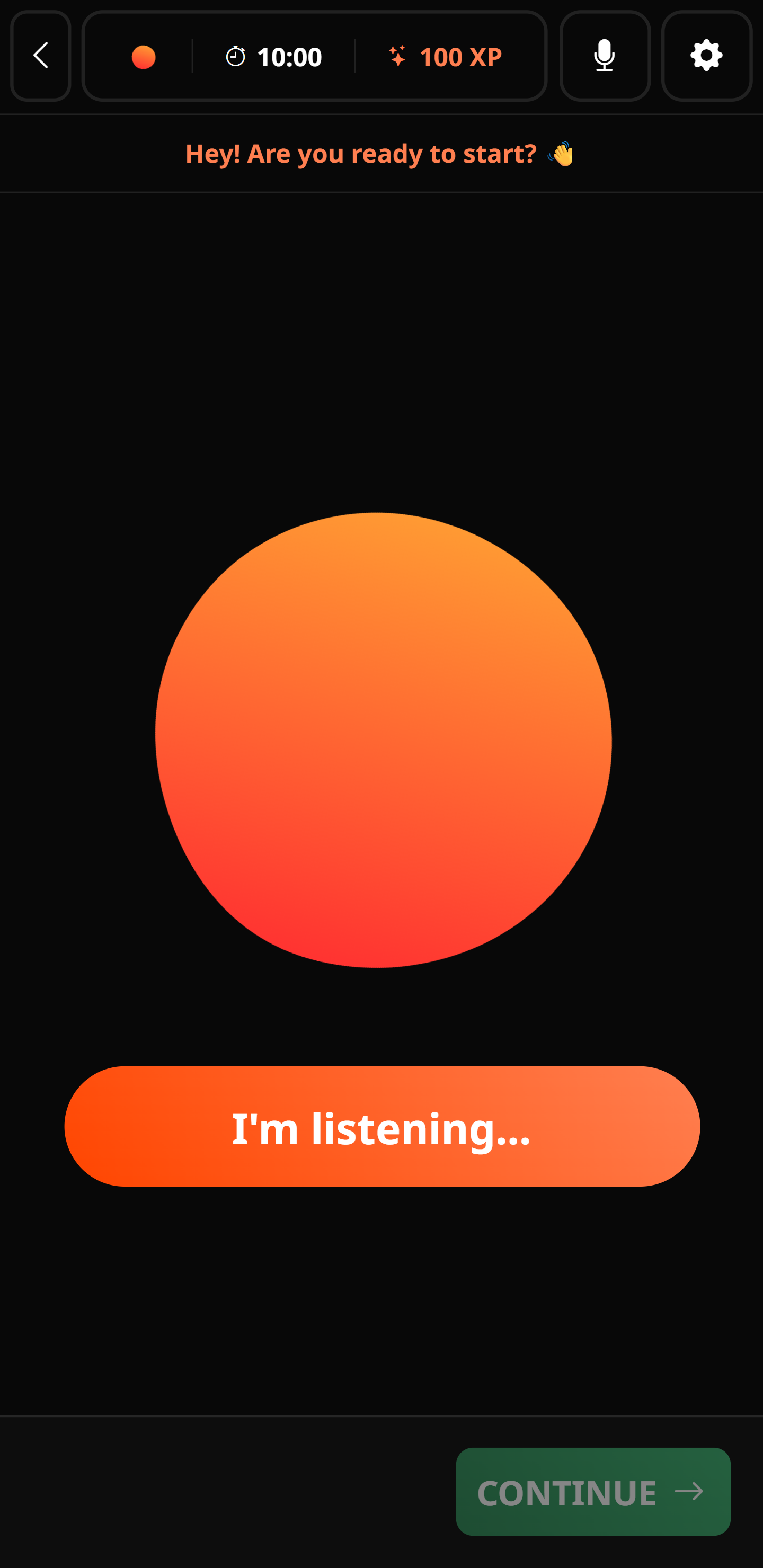
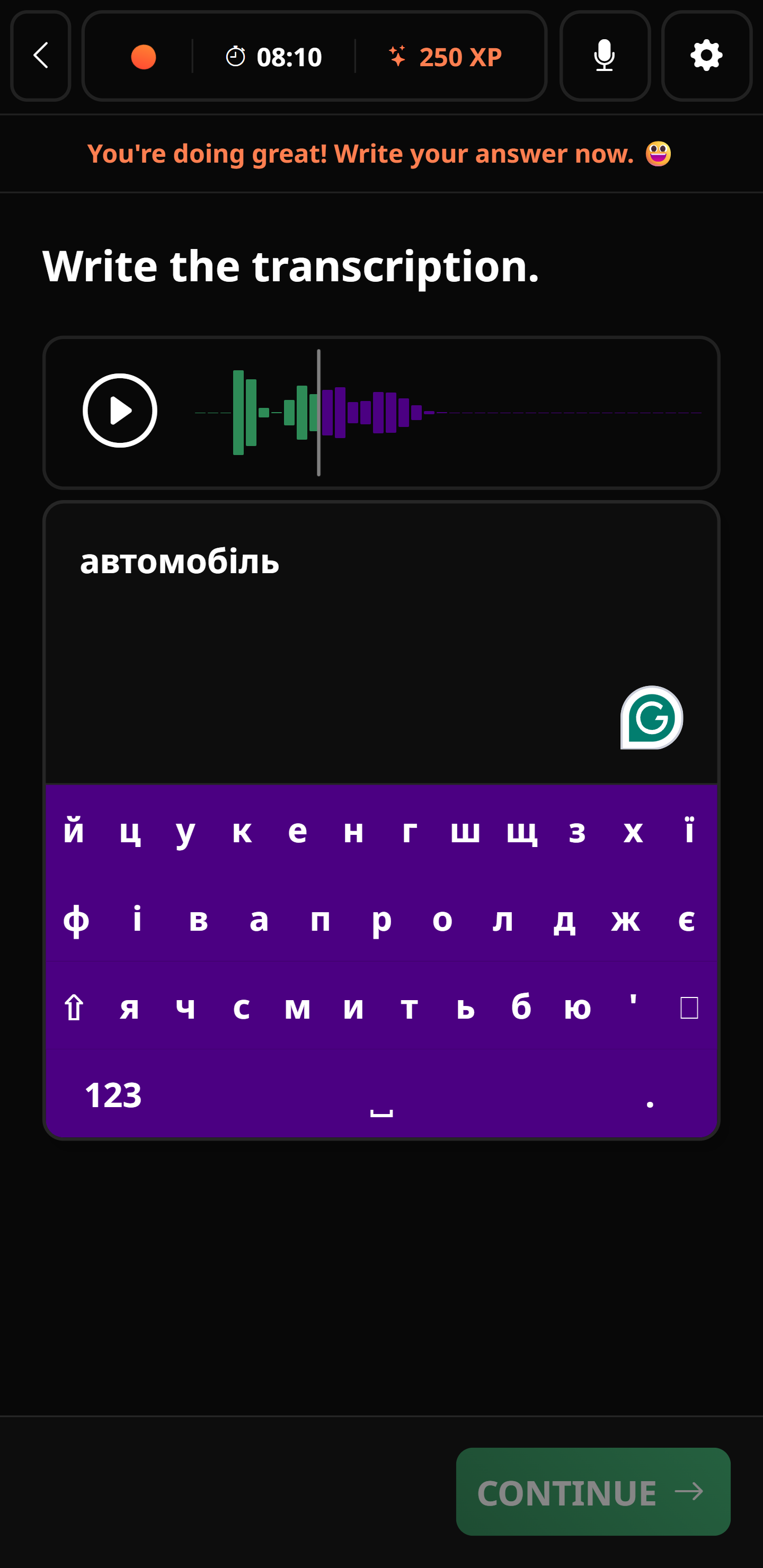
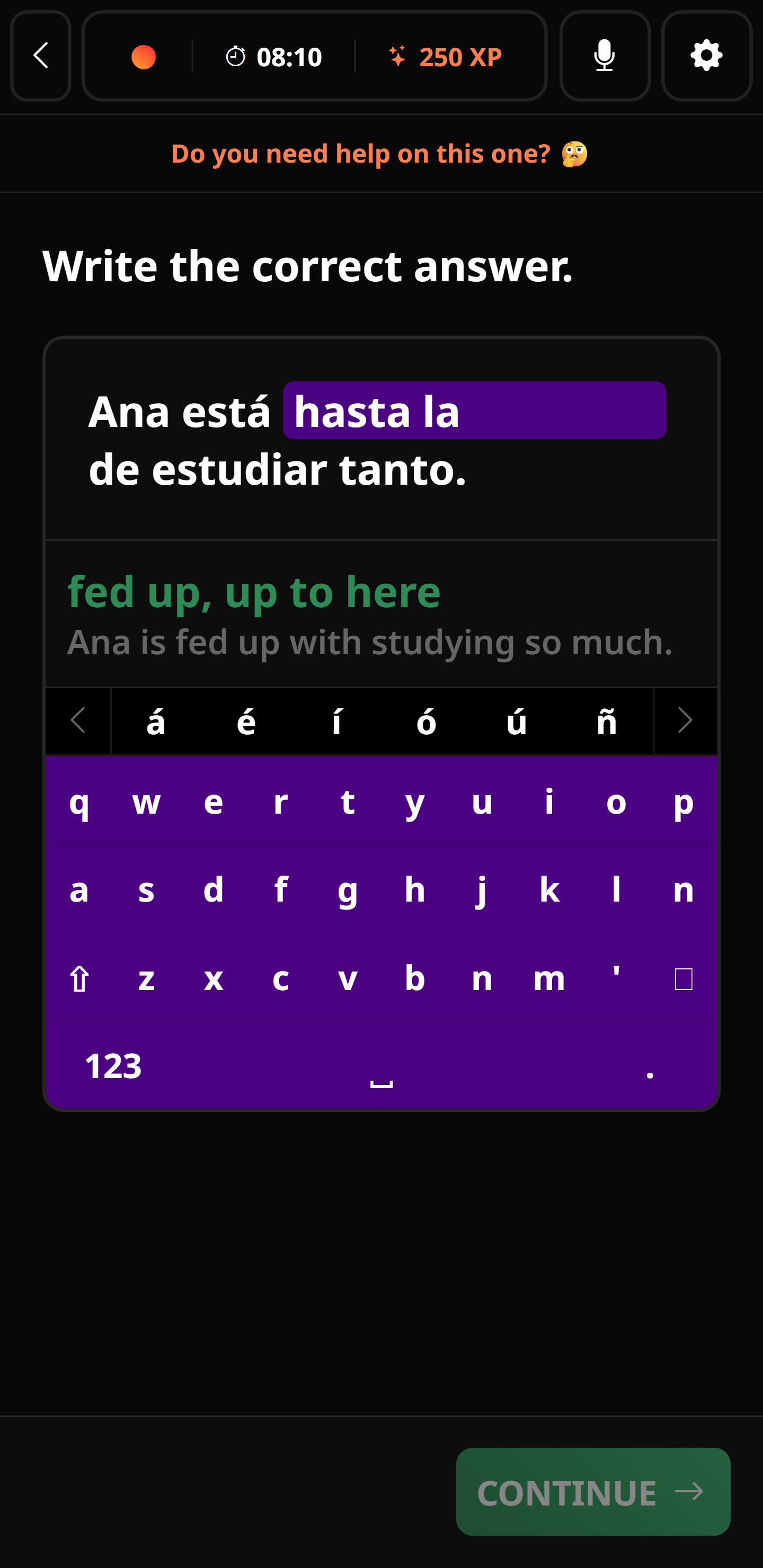
Umi is Univext's AI tutor. You speak French, out loud, and Umi corrects you the moment you say je suis excité or drop the ne — the same second a native speaker would wince and not say anything.
Important
Start a free French lesson with Umi — 14-day free trial, 30 minutes a day. Say je suis allé au marché out loud once, correctly, and it's yours forever. Try a free French lesson →
🎓 Keep Going
- Best Apps to Learn French in 2026 (Tested & Ranked)
- Is French Hard to Learn? The Honest Answer
- How Long Does It Take to Learn French?
- Basic French Phrases for Travel
The learners who stop making these mistakes aren't the ones who studied them hardest. They're the ones who made them out loud, early, and got corrected fast.