



😰 Is Russian Hard to Learn? The Honest Answer
You saw the Cyrillic on a menu, or a sign in a film, and something in your brain went "nope." Then a quieter voice said: but I kind of want to. And now you're wondering:
Here's the honest answer, no sugar-coating: Russian is hard in some ways and surprisingly easy in others. The part everyone panics about — that alien-looking alphabet — is genuinely one of the easiest things about it. The parts nobody warns you about — the six cases, verbs of motion, verb aspect — are where learners actually sweat.
Important
Good news first: Russian has NO articles (no a/an/the to agonize over), spelling that mostly matches how words sound, and an alphabet you can learn in about a week. That scary Cyrillic? Half of it you already recognize.
Let's break down exactly what's hard, what's easy, and how long it really takes.
✅ Why Russian Is Easier Than You Think
Cyrillic looks scary for about a week — then it clicks
That alphabet you're afraid of has just 33 letters, and you already know a chunk of them. А, К, М, О, Т sound almost exactly like their English cousins. A handful are "false friends" (Р is r, Н is n, В is v), and only a few are truly new. Most learners are reading — slowly, but reading — within a week.
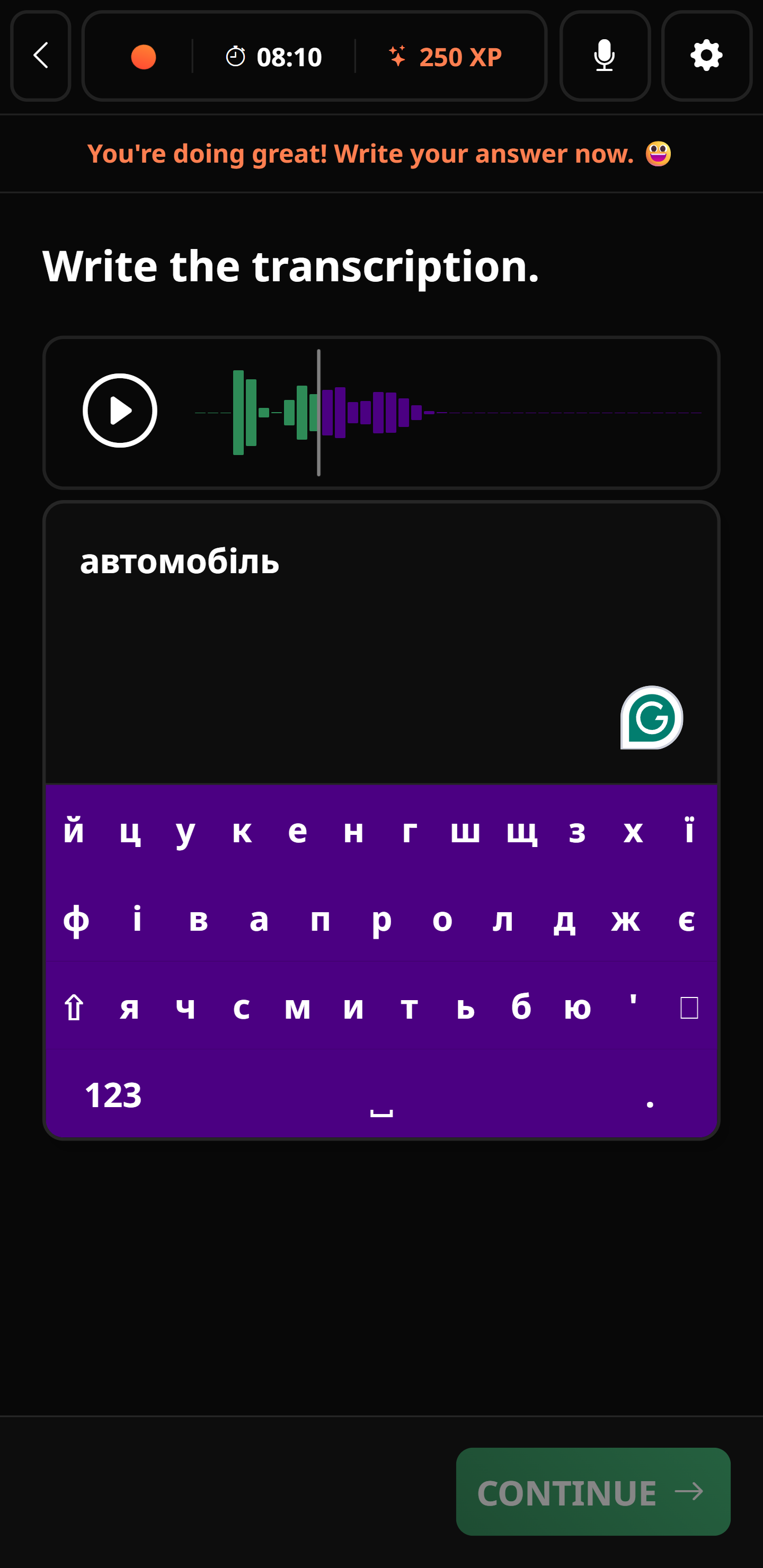
Try it: (privet — hi) and (spasibo — thank you). Once the letters stick, you can sound out almost anything.
No articles, phonetic spelling, flexible word order
- No a/an/the. Russian simply drops articles. One whole category of English-learner pain doesn't exist.
- Spelling matches sound. Learn the letters and their sounds and you can read new words aloud — no silent-letter chaos like English or French.
- Word order is flexible. Because word endings show who does what, you can move words around for emphasis without breaking the sentence.
Become bilingual in 30 days with Univext!
Start a lesson with our teacher for free and become bilingual like our 100,000 students!
😤 Why Russian Is Genuinely Hard
Now the honest part. This is where learners hit the wall — and where a real tutor matters most.
1. Six cases
This is the big one. In Russian, nouns, adjectives, and pronouns change their endings depending on their job in the sentence — subject, object, "to whom," "with what," and so on. Six cases, each with its own set of endings.
One word, several shapes. There's no way around learning them — but you internalize cases by using them in real sentences, not by staring at a table of endings.
2. Verbs of motion
English says "go" and moves on. Russian makes you specify: on foot or by vehicle? One direction or round trip? A single trip or a habit? Different verbs for each, and they multiply with prefixes. It feels absurdly precise at first — then oddly satisfying once it clicks.
3. Verb aspect
Almost every Russian verb comes in a pair: one for an ongoing or repeated action, one for a completed one. Picking the wrong aspect can change "I was reading" into "I read it all the way through." Native speakers do this instantly; learners have to feel it, and that only comes from hearing and speaking.
Notes
None of this is impossible — millions of non-Russians speak fluently. But cases, motion verbs, and aspect are exactly the parts that don't come from flashcards or a grammar chart. They come from speaking, getting corrected, and hearing the language used naturally.





Join more than 100,000 students learning on Univext
⏱️ So How Long Does It Actually Take?
Russian is officially a "Category III" language for English speakers — harder than Spanish or French, easier than Japanese or Arabic. Realistic milestones:
Want the full breakdown? Read our honest guide: How Long Does It Take to Learn Russian? (Realistic Timeline).
🚀 How to Make the Hard Parts Easy
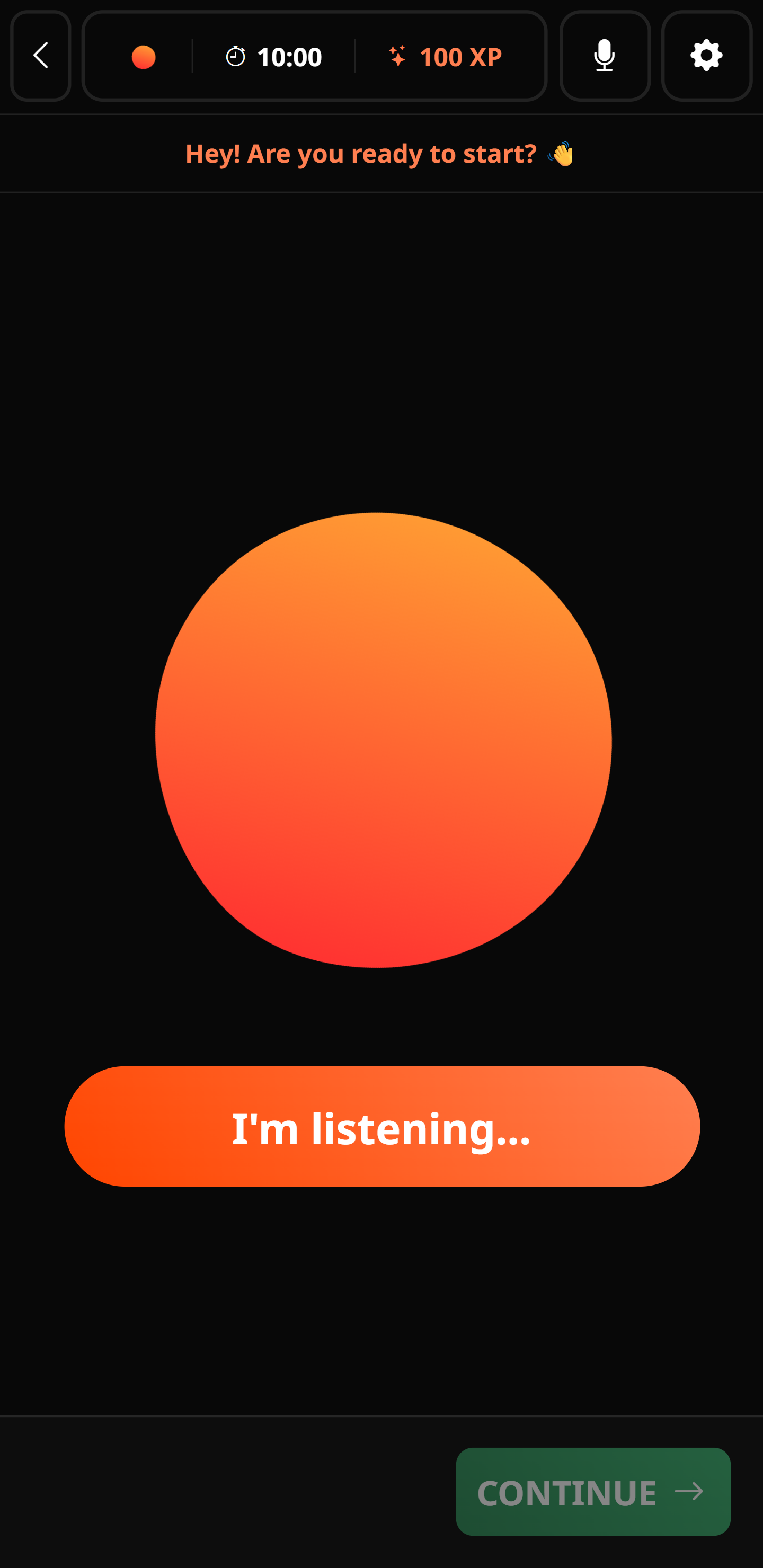
Here's the truth about why Russian feels so hard for most people: apps drill you on vocabulary but never make you speak. You can spend six months tapping multiple-choice answers and still freeze the moment a real Russian asks you something.
The hard parts of Russian — cases, motion verbs, aspect — are exactly the parts that only conversation can teach. That's what Univext's AI tutor, Umi, is built for.
- Umi talks with you in Russian from lesson one — case endings become muscle memory instead of a chart you re-read.
- It corrects you gently, in the moment — the way aspect and motion verbs actually get internalized.
- It never judges you for mangling a case at 11pm — so you actually keep going.
Important
Stop wondering if Russian is too hard. Try one free Russian lesson with Umi right now — talk, make mistakes, and feel how fast the "hard" parts start clicking. Start your free lesson →
Compare the top tools first if you want: Best Apps to Learn Russian in 2026 (Tested & Ranked).
Become bilingual in 30 days with Univext!
Start a lesson with our teacher for free and become bilingual like our 100,000 students!
💬 The Honest Bottom Line
Is Russian hard to learn? The alphabet is easy. The spelling is fair. The grammar is where the work is — and cases are the part most learners avoid, which is exactly why they stall.
Learn Cyrillic this week. Then start talking — because the only way past six cases and verbs of motion is to use them out loud, get corrected, and try again. Do that consistently and Russian stops being "hard" and starts being just... a language you're learning.
Example
You already learned one impossibly hard language as a baby with zero grammar charts — just constant listening and speaking. Russian works the same way. Give Umi 10 minutes a day and let the hard parts become automatic.