



🇷🇺 Why Learn Russian in 2026?
Russian is the eighth most spoken language in the world, with over 258 million speakers across 17 countries. It's one of the six official UN languages, the lingua franca of Central Asia, and the key to one of the world's richest literary and scientific traditions — from Dostoevsky and Tolstoy to the Soviet space program.
But Russian isn't just about culture. It's a strategic career advantage. Demand for Russian speakers in defense, intelligence, diplomacy, energy, and international business far outstrips supply. If you're working in any field that touches Eastern Europe or Central Asia, Russian opens doors that no other language can.
Here's the honest part: Russian is harder than Spanish or French. The US Foreign Service Institute classifies it as a Category III language, meaning it takes roughly 1,100 hours of study to reach professional proficiency — compared to 600-750 hours for Romance languages. You'll need to learn a new alphabet, master six grammatical cases, and get comfortable with verb aspects.
But "harder" doesn't mean "impossible." With modern tools — especially AI tutors that let you practice speaking from day one — the timeline is more compressed than ever. This guide covers the fastest, most effective approaches to learning Russian in 2026.
⚡ How Fast Can You Actually Learn Russian?
Let's set realistic expectations:
These timelines assume consistent daily practice of 30-60 minutes. The biggest variable isn't talent — it's consistency and method. Someone practicing 30 minutes every day will outpace someone studying 3 hours once a week.
Important
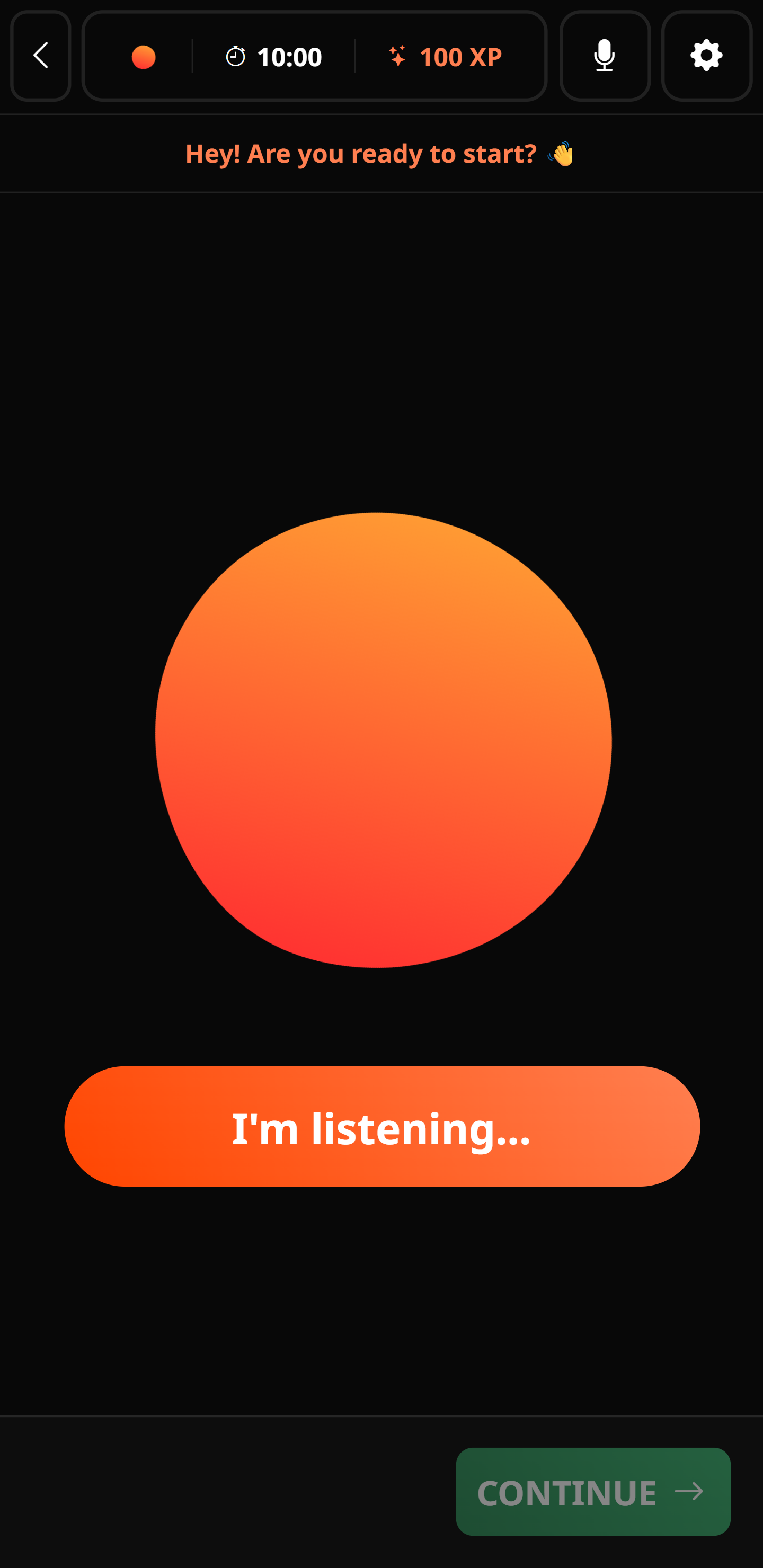
The single fastest way to accelerate your Russian learning is to start speaking from day one. Not after you've memorized the Cyrillic alphabet perfectly. Not after you've learned all six cases. From day one. AI tutors like Univext's Umi make this possible even for absolute beginners — Umi adapts to your level and guides you through your first Russian conversation.
Become bilingual in 30 days with Univext!
Start a lesson with our teacher for free and become bilingual like our 100,000 students!
🎯 Step 1: Master the Cyrillic Alphabet (Week 1)
This is where Russian diverges from every Romance language guide. Before anything else, you need to learn to read Cyrillic. The good news? It's much easier than it looks.
The Cyrillic Alphabet is Not as Scary as You Think
Russian has 33 letters. About a third of them look and sound similar to English letters (А, К, М, О, Т). Another third look familiar but sound different (В sounds like "V", Р sounds like "R", Н sounds like "N"). The rest are genuinely new.
Most learners can read Cyrillic within 3-5 days of focused practice. Here's the approach:
- Day 1-2: Learn the "friendly" letters that match English (А, Е, К, М, О, Т)
- Day 3-4: Learn the "false friends" (В=V, Н=N, Р=R, С=S, У=OO, Х=KH)
- Day 5-7: Learn the truly new letters (Б, Г, Д, Ж, З, И, Й, Л, П, Ф, Ц, Ч, Ш, Щ, Ъ, Ы, Ь, Э, Ю, Я)
Practice Reading Everything
Once you know the letters, practice by sounding out Russian words — even if you don't understand them. Read street signs in Google Maps (set it to Moscow), read product labels, read anything. The muscle memory builds fast.





Join more than 100,000 students learning on Univext
🗣️ Step 2: Start Speaking Immediately (Week 2-4)
This is where most Russian learners go wrong. They spend months perfecting Cyrillic, memorizing declension tables, and studying grammar rules before ever opening their mouth. By the time they try to speak, they've developed a deep fear of making mistakes.
The research is clear: early speaking practice dramatically accelerates learning. When you produce language — even badly — your brain forms connections that passive study simply cannot create.
The AI Tutor Advantage
Traditionally, Russian speaking practice required either:
- A human tutor ($30-60/hour for qualified Russian teachers)
- A language exchange partner (scheduling headaches, inconsistent quality)
- Moving to Russia or a Russian-speaking country (expensive, impractical, visa complications)
In 2026, AI tutors have completely changed this equation. Univext's AI teacher Umi lets you practice real Russian conversations anytime, for a fraction of the cost of human tutoring:
- Start at any level — Umi adapts to you, even if you only know "привет"
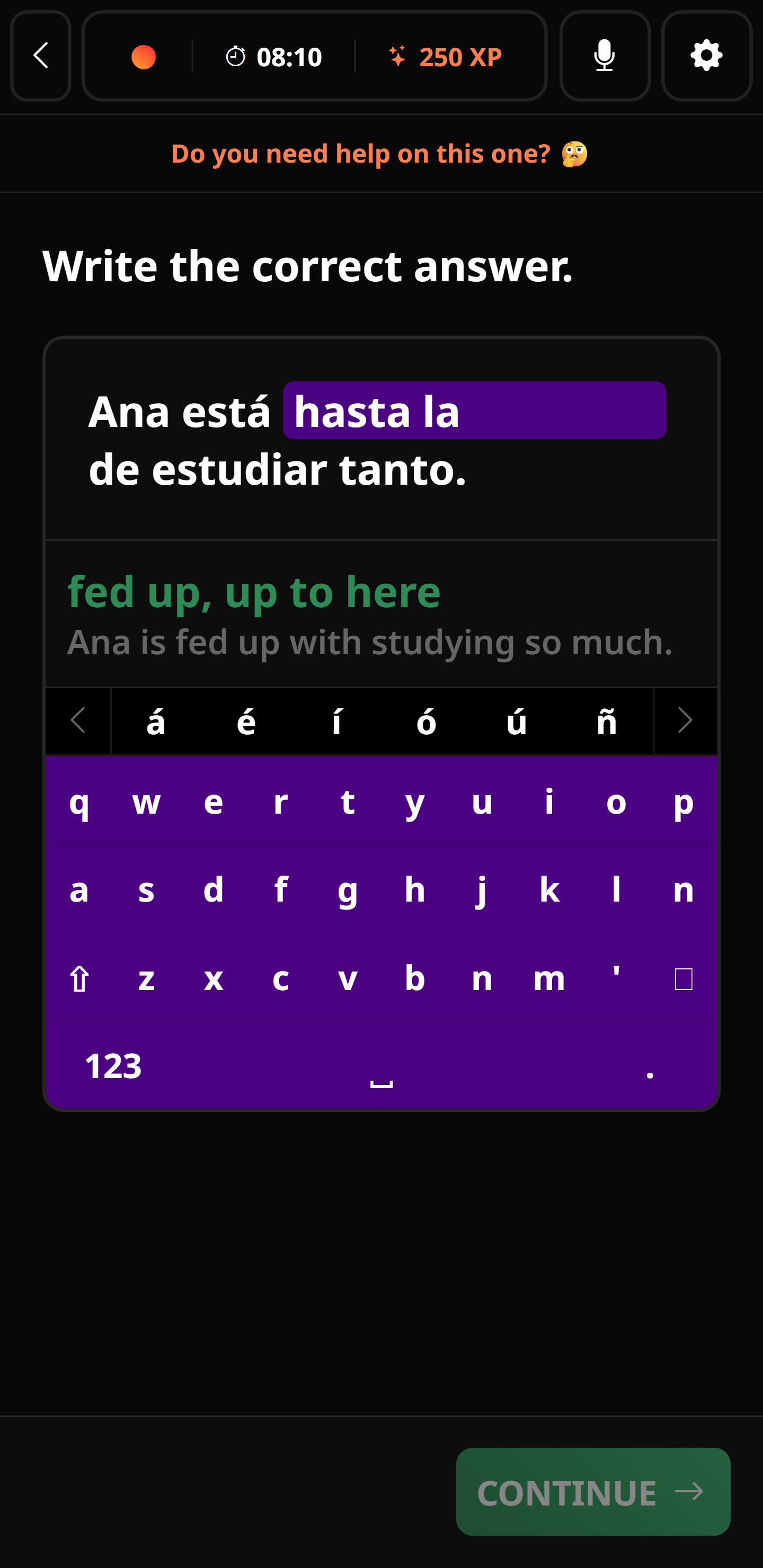
- Make mistakes without embarrassment — no judgment, instant corrections
- Practice specific scenarios: ordering food, asking for directions, casual chat
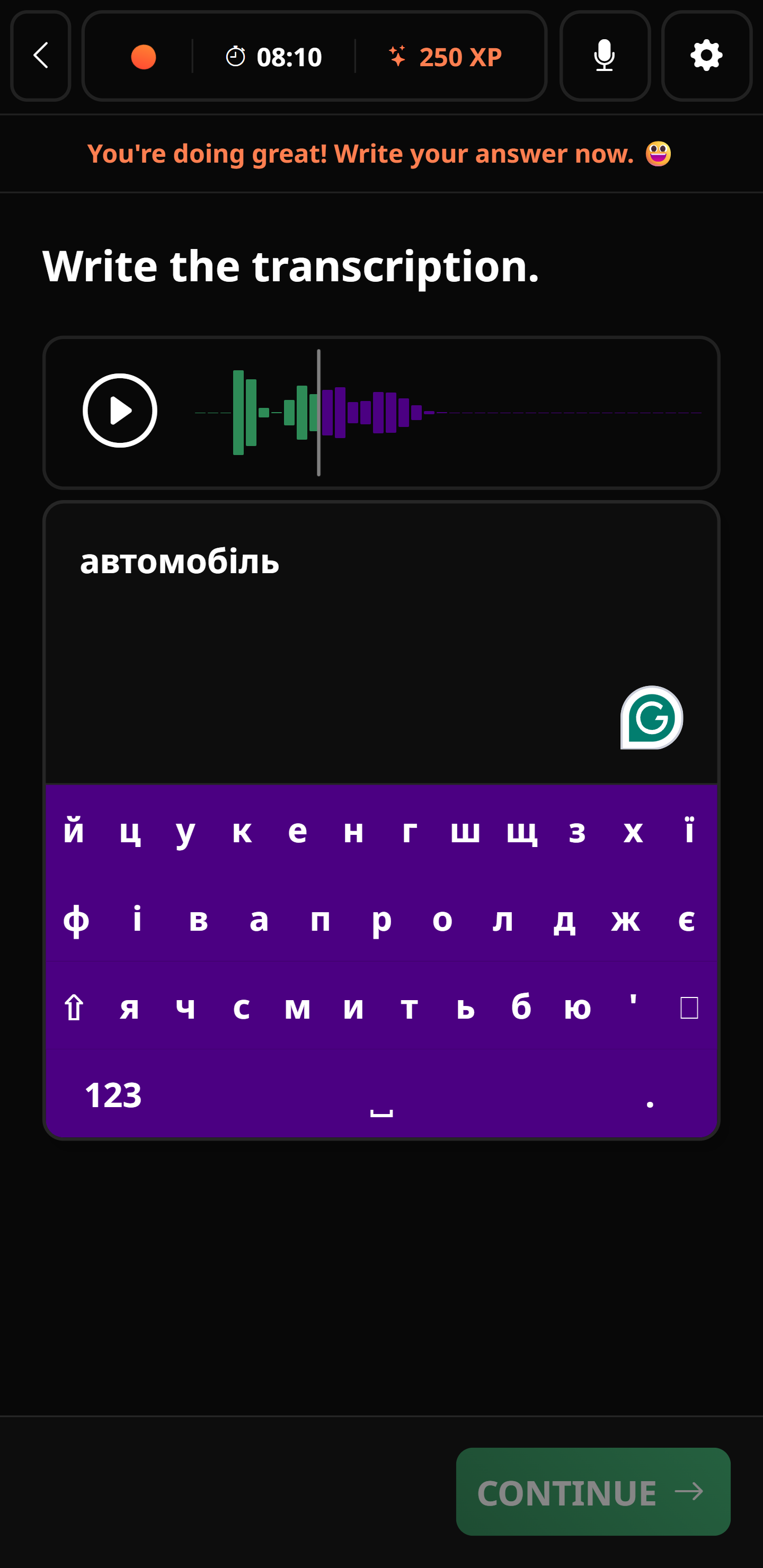
- Get grammar explanations in the moment — when you say "Я иду в магазин" incorrectly, Umi explains why, right then
- 30 minutes per day during the 14-day free trial — enough for measurable progress
Example
Imagine this: you say "Я есть студент" (a common beginner mistake — Russian drops "to be" in present tense). Instead of just marking it wrong, Umi explains: "In Russian, we don't use есть for identity in present tense. Just say: Я студент." Then continues the conversation naturally. That's how real language correction works.
Other Speaking Resources
- Language exchange apps (Tandem, HelloTalk) — free but inconsistent, and finding Russian speakers willing to practice can take time
- iTalki tutors — excellent for structured lessons, but expensive at $15-40/hour
- Russian-speaking communities — check your local area for diaspora events or meetups
📚 Step 3: Build Vocabulary Strategically (Month 1-3)
Start With the Most Common Russian Words
Don't work through a textbook from chapter one. Instead, learn the 500 most frequent Russian words first — they cover roughly 70% of everyday speech. Focus on:
- Pronouns: я, ты, он, она, мы, вы, они
- Essential verbs: быть, иметь, мочь, делать, говорить, знать, хотеть, идти, видеть, думать
- Question words: что, как, где, когда, почему, сколько, кто
- Survival phrases: пожалуйста, спасибо, извините, я не понимаю, повторите пожалуйста
For a ready-made starter set, check our guide: 30 Russian Phrases for Beginners.
Use Spaced Repetition
Spaced repetition systems (SRS) like Anki are scientifically proven to be the most efficient way to memorize vocabulary. The algorithm shows you words just before you're about to forget them, maximizing retention with minimum effort. This is especially important for Russian because there are very few English-Russian cognates — you can't guess meanings like you can with Spanish or French.
Learn Vocabulary in Context
Individual words are hard to remember. Phrases and sentences stick much better:
- Instead of memorizing магазин (store), learn Я иду в магазин (I'm going to the store)
- Instead of memorizing завтра (tomorrow), learn Увидимся завтра (See you tomorrow)
This is where AI conversation practice shines — you encounter and use vocabulary in natural contexts, not isolated flashcard drills.
Become bilingual in 30 days with Univext!
Start a lesson with our teacher for free and become bilingual like our 100,000 students!
📖 Step 4: Tackle Grammar in Stages (Month 2-6)
Russian grammar has a reputation for being brutal. It doesn't have to be — if you learn it in the right order.
The Staged Approach
Month 2: Verb basics
- Present tense conjugation (two conjugation groups)
- The verb aspects concept (perfective vs imperfective) — don't try to master this now, just understand it exists
Month 3-4: Noun cases (the big one)
- Start with Nominative (subject) and Accusative (direct object) — these cover 60% of usage
- Add Prepositional (locations, "about") — very common and relatively easy
- Then Dative (indirect object, "to/for someone")
- Save Genitive and Instrumental for later — they're important but less urgent
Month 5-6: Expanding
- Past tense (surprisingly easy in Russian — no conjugation, just gender agreement)
- Verbs of motion (идти/ходить, ехать/ездить) — uniquely Russian, takes time
- Genitive and Instrumental cases
For a deeper dive into cases, check our step-by-step guide: The Accusative Case in Russian.
Notes
Don't try to memorize every declension table before you start speaking. Native Russian children speak fluently for years before they learn formal grammar rules. You should too — let the patterns emerge naturally through conversation practice, then study the rules to confirm what you've already intuited.
🎧 Step 5: Immerse Your Ears (Month 1-6)
Russian listening comprehension is challenging because of the speed, consonant clusters, and vowel reduction (unstressed О sounds like А). Start early with manageable content.
Podcasts for Every Level
- Beginners: Russian Made Easy, RussianPod101, Slow Russian
- Intermediate: Russian Progress, Comprehensible Russian, Meduza (news)
- Advanced: Arzamas (history/culture), Медуза, any native Russian podcast
Russian Media
Russian cinema, TV, and music are incredible resources:
- Beginner-friendly: Extr@ на русском (sitcom made for learners — slow, clear speech)
- Intermediate: Кухня (The Kitchen — popular comedy), Мастер и Маргарита (2024 film adaptation)
- Advanced: Слово пацана (recent hit series), Вечерний Ургант (talk show)
Music
Russian music is surprisingly catchy and great for pronunciation and cultural immersion. Start with artists like Земфира, Каста, Баста, or Полина Гагарина. Look up lyrics and sing along — it trains your ear and your mouth simultaneously.
Join more than 100,000 students learning on Univext
🔄 Step 6: Make It a System (Month 3+)
By month three, you should transition from "studying Russian" to "living with Russian." Here's what a daily routine looks like at this stage:
- Morning (15 min): Conversation practice with Univext's Umi — review yesterday's weak points, tackle a new topic
- Commute (20 min): Russian podcast or audiobook at your level
- Lunch break (10 min): Read a Russian article (Meduza, BBC Russian) or review flashcards
- Evening (15 min): Watch a Russian show with subtitles, journal in Russian, or text with language partners
That's about an hour of daily exposure, mostly integrated into activities you'd do anyway. The key is consistency over intensity — 30 minutes every day beats 4 hours on Saturday.
Become bilingual in 30 days with Univext!
Start a lesson with our teacher for free and become bilingual like our 100,000 students!
🛠️ Best Tools to Learn Russian Fast in 2026
For a complete comparison of Russian learning apps, check our in-depth guide: Best Apps to Learn Russian in 2026 (Tested & Ranked). If you're a complete beginner, see also: Best Apps to Learn Russian for Beginners.
❌ Common Mistakes That Slow You Down
- Spending weeks on the Cyrillic alphabet — You can learn it in 5 days. Don't let it become an excuse to delay speaking.
- Memorizing declension tables before speaking — Grammar tables are a reference, not a prerequisite. Start talking, and the patterns will emerge naturally.
- Only using one method — Apps alone don't work. Podcasts alone don't work. You need input (listening/reading) AND output (speaking/writing).
- Avoiding mistakes — Mistakes are data. Every error corrected by an AI tutor or conversation partner is a mini-lesson your brain won't forget.
- Comparing Russian to Spanish or French — Russian is a different beast. Accept that progress will feel slower at first, especially with cases and verb aspects. The curve steepens later.
- Ignoring pronunciation early — Russian has specific sounds (Ы, Ж, Щ, rolled Р) that English doesn't have. Practice these early, or bad habits will fossilize.
❓ Frequently Asked Questions
How long does it take to learn Russian?
With daily practice of 30-60 minutes, most learners reach conversational Russian (B1) in 8-12 months. Full professional fluency (C1) typically takes 24-36 months. Russian is classified as a Category III language — roughly twice as long as Spanish or French — but consistency matters more than the category.
What's the hardest part of learning Russian?
For most English speakers, the grammatical cases (six cases that change word endings) are the biggest challenge. However, this is often overstated — you can communicate effectively with imperfect case usage, and the patterns become intuitive through regular conversation practice.
Is Russian worth learning in 2026?
Absolutely. Russian speakers are in high demand across defense, intelligence, diplomacy, energy, tech, and international business. The supply of qualified Russian speakers in Western countries is low, making it a genuine career differentiator. Plus, it unlocks one of the world's richest literary and cultural traditions.
Can I learn Russian with AI in 2026?
Yes — AI tutoring has become one of the most effective methods for Russian specifically, because it solves the biggest bottleneck: finding affordable speaking practice. Univext's Umi provides real-time conversation practice that adapts to your level, available 24/7 for a fraction of the cost of human tutoring. Try it free for 14 days.
Is Duolingo enough to learn Russian?
Duolingo is useful for learning Cyrillic and basic vocabulary, but it doesn't teach you to speak conversationally. Most Duolingo users plateau around A1-A2. To reach conversational fluency, you need real speaking practice — which is exactly what AI tutors like Univext provide. See our comparison: Best Apps to Learn Russian in 2026.
Become bilingual in 30 days with Univext!
Start a lesson with our teacher for free and become bilingual like our 100,000 students!
✅ Start Speaking Russian Today
The best time to start learning Russian was yesterday. The second best time is right now. You don't need to buy textbooks, book flights to Moscow, or find a tutor in your city. With the right combination of tools and a consistent daily routine, conversational Russian is months away, not years.
Yes, Russian is harder than Spanish or French. But that's exactly why so few people speak it — and why those who do have a genuine competitive advantage.
Start your free 14-day trial with Univext — have your first real Russian conversation with AI tutor Umi today, and discover how fast you can progress when you actually practice speaking from day one.