

Why Business French Matters in 2026
In today's hyper-connected global economy, relying solely on English is a strategy that leaves money on the table. While English remains the lingua franca of international trade, Business French has emerged as a critical skill for professionals aiming to operate in Europe, Africa, and parts of North America.
Learning French for business is not just about translating words; it is about unlocking access to one of the world's most influential markets. France currently stands as the world's seventh-largest economy. Furthermore, French is an official language in 29 countries, spanning the United Nations, the European Union, NATO, and the World Trade Organization.
Perhaps the most compelling argument for mastering business French lies in the demographics of the future. The International Organization of La Francophonie estimates that by 2050, there will be over 700 million French speakers, with approximately 80% living in Africa. This makes French-speaking Africa one of the fastest-growing economic regions on the planet.
Speaking the language gives you a distinctive career edge in high-value industries such as:
- Diplomacy and International Relations: French is the procedural language of the EU and the UN.
- Luxury and Fashion: From LVMH to Kering, the giants of luxury speak French.
- Gastronomy and Hospitality: The global standard for culinary arts is rooted in French terminology.
- Tech and Startups: "La French Tech" is a booming ecosystem that rivals Silicon Valley in innovation.
Important
Statistic: There are currently over 300 million French speakers worldwide, and trade between Francophone countries accounts for a significant percentage of global commerce.
By mastering business French vocabulary and etiquette, you are not just learning a language; you are demonstrating cultural intelligence and respect—two assets that seal deals faster than any contract.
Essential Business French Greetings & Formalities
The foundation of French business etiquette lies in formality. Unlike the "start-up casual" culture prevalent in the US or UK, French business culture values hierarchy and proper address. The most critical distinction you must master immediately is the difference between tu (informal you) and vous (formal you).
In a professional setting, always use vous until you are explicitly invited to use tu. Using tu prematurely can be seen as disrespectful or presumptuous.
Key Greetings
When entering an office or joining a meeting, a simple "Hi" will not suffice. You must use the appropriate formal greetings.
Introducing Yourself Professionally
First impressions in France are lasting. When you introduce yourself, state your full name and your title clearly. Handshakes should be firm but brief.
Notes
Grammar Note: If you are writing "Enchanté", add an extra "e" at the end if you are female (Enchantée). The pronunciation remains identical.
Formal vs. Informal Comparison
Here is a quick guide on what to say (and what to avoid) in a business French context:
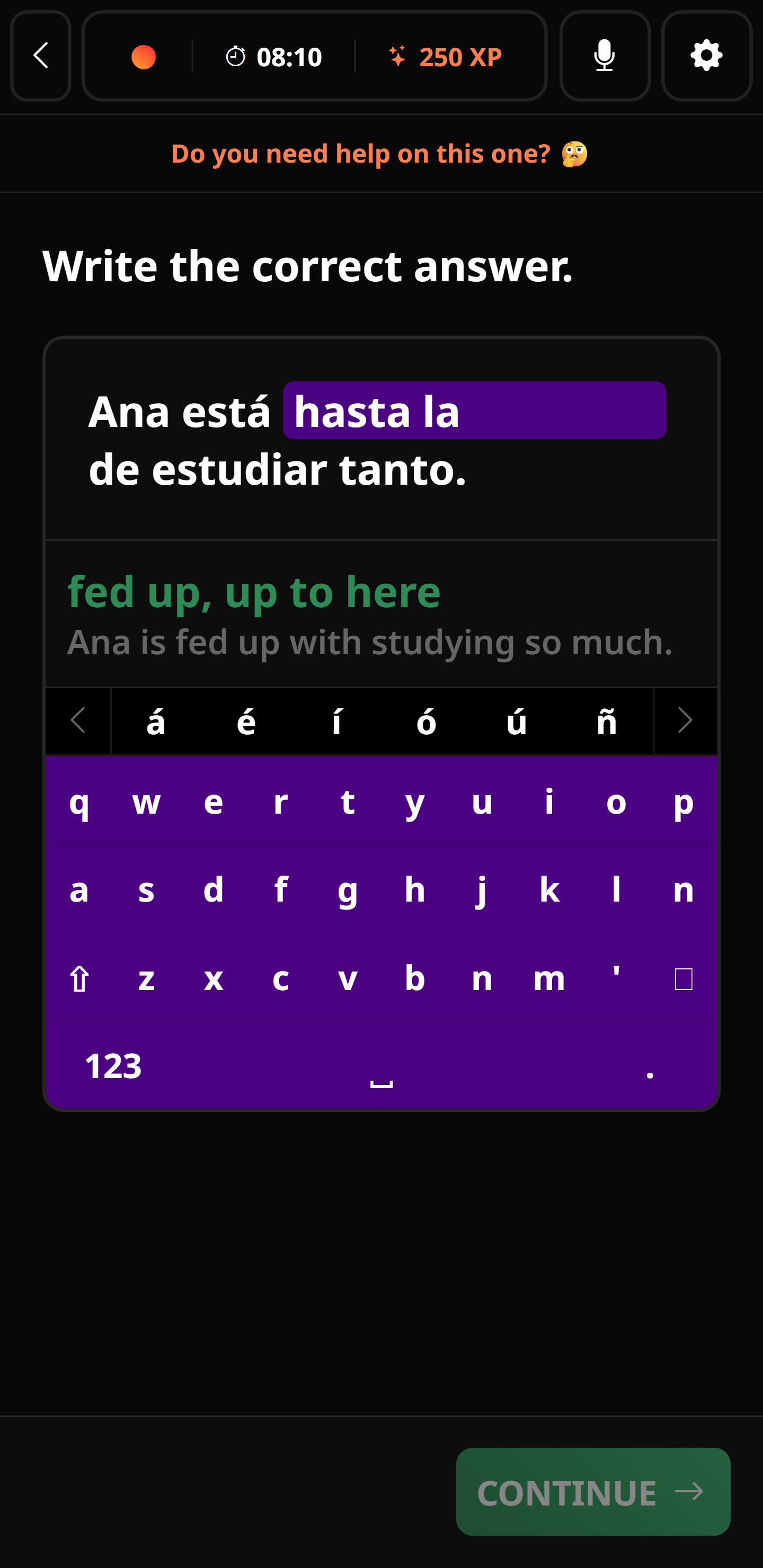
Become bilingual in 30 days with Univext!
Start a lesson with our teacher for free and become bilingual like our 100,000 students!
Writing Professional Emails in French
Writing a business French email requires adherence to a strict protocol. French emails are generally more formal and structured than their English counterparts. While American emails might jump straight to the point, French emails require a "formula of politeness" to open and close the message.
Opening Formulas
Never start an email with just the first name unless you know the person very well.
Key Email Phrases
To navigate the body of the email, rely on these standard business French phrases:
Closing Formulas
This is where many non-native speakers stumble. You cannot simply sign off with "Best," or "Thanks,". You must use a formule de politesse.
Example
Example Business Email:
Objet : Suite à notre réunion de mardi
Cher Monsieur Martin,
Cordialement,
[Votre Nom]





Join more than 100,000 students learning on Univext
French Business Meeting Vocabulary
Whether you are on a Zoom call or in a boardroom in Paris, dominating french business meeting vocabulary is essential to ensure your voice is heard.
Scheduling the Meeting
Before the meeting happens, you need to set it up.
During the Meeting
French meetings often involve lively debate. Knowing how to interrupt politely or agree firmly is part of business French.
Closing the Meeting
Important
Cultural Tip: In France, meetings are often used for discussion and debate rather than just decision-making. Don't be surprised if the conversation goes in circles before a conclusion is reached.
Business French Vocabulary by Industry
To truly excel, you need vocabulary specific to your sector. General fluency is good, but industry fluency is better. Below is a breakdown of business French vocabulary by key sectors.
Finance & Banking
Marketing & Sales
Tech & Startups
Legal & Admin
Become bilingual in 30 days with Univext!
Start a lesson with our teacher for free and become bilingual like our 100,000 students!
French Business Etiquette: The Unwritten Rules
Mastering vocabulary is only half the battle. French business etiquette is a complex dance of unwritten rules that can make or break a deal.
1. The "Bise" (Kissing on the cheek)
In a purely business context, a handshake is the standard. However, if you develop a long-term relationship with a colleague, they might initiate "la bise."
- Rule: Never initiate it yourself as a foreigner in a business setting. Wait for your French counterpart to make the move.
- Caution: Since COVID-19, the handshake (or even a nod) has reclaimed dominance in the office.
2. The Sacred Business Lunch
Do not try to rush a business lunch. In France, lunch is not just for eating; it is for relationship building.
- Duration: Expect it to last 1.5 to 2 hours.
- Conversation: Do not discuss business immediately. Talk about food, culture, or travel during the appetizer and main course. Business is discussed over dessert or coffee.
- Alcohol: A glass of wine is acceptable, but getting tipsy is a major faux-pas.
3. Dress Code
French for business also implies dressing the part. The French style is generally more formal and conservative than in the US.
- Men: Dark suits, high-quality shoes.
- Women: Elegant, understated professional attire.
- Tip: It is always better to be overdressed than underdressed in Paris.
4. Hierarchy and Titles
France has a high "power distance" culture. Respect for hierarchy is paramount.
- Address superiors as "Monsieur le Directeur" or "Madame la Présidente" in very formal contexts.
- Never bypass a manager to go to their boss; respect the chain of command.
5. Small Talk Topics
When engaging in small talk, stay safe.
- Safe Topics: Cuisine, art, history, travel, sports.
- Taboo Topics: Money (never ask how much someone earns), religion, and controversial politics.
6. Punctuality
While there is a concept called "le quart d'heure de politesse" (being 15 minutes late to a dinner party), this does not apply to business meetings. Be on time. If you are going to be 5 minutes late, call ahead.
Phone & Video Call Phrases in French
With remote work becoming the norm, you will likely encounter business French over the phone or via Zoom/Teams. Without visual cues, clear language is even more important.
Answering the Phone
Managing the Call
Video Call Specifics (Zoom/Teams)
Join more than 100,000 students learning on Univext
How to Practice Business French with AI
Learning business French through traditional textbooks often fails because books cannot simulate the pressure of a real meeting or the speed of a negotiation. You might memorize lists of vocabulary, but can you use them when a client challenges your proposal?
This is where AI changes the game.
Why Traditional Methods Fall Short
Traditional classes at institutions like Alliance Française or commercial centers like Berlitz are excellent, but they are often expensive, require rigid scheduling, and share the teacher's attention among 10+ students. They also tend to teach "standard" French rather than industry-specific jargon unless you pay for premium private tutoring.
For a deeper look at the landscape of learning tools, check out our guide on the Best Apps to Learn French in 2026.
The Univext Advantage
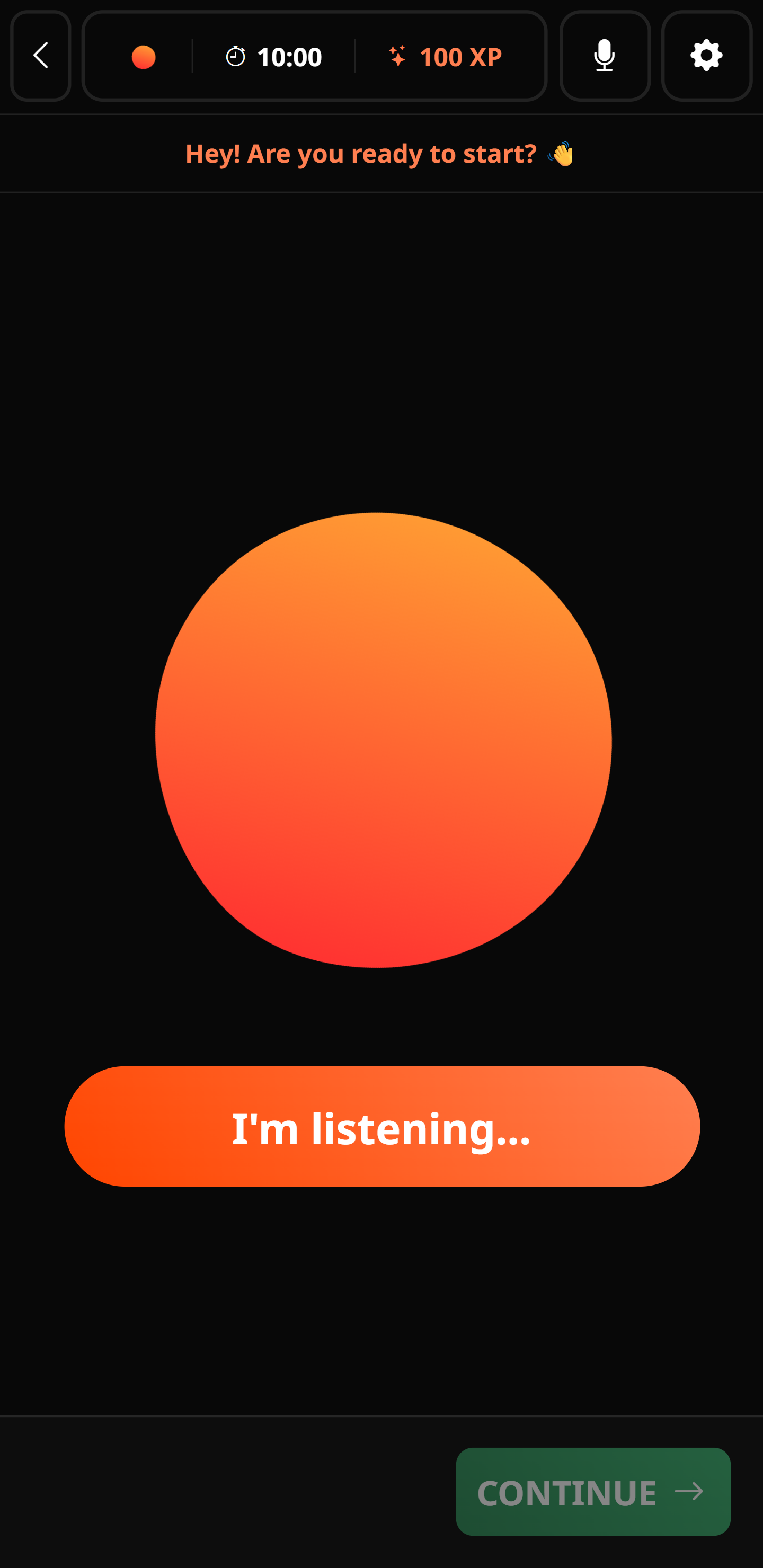
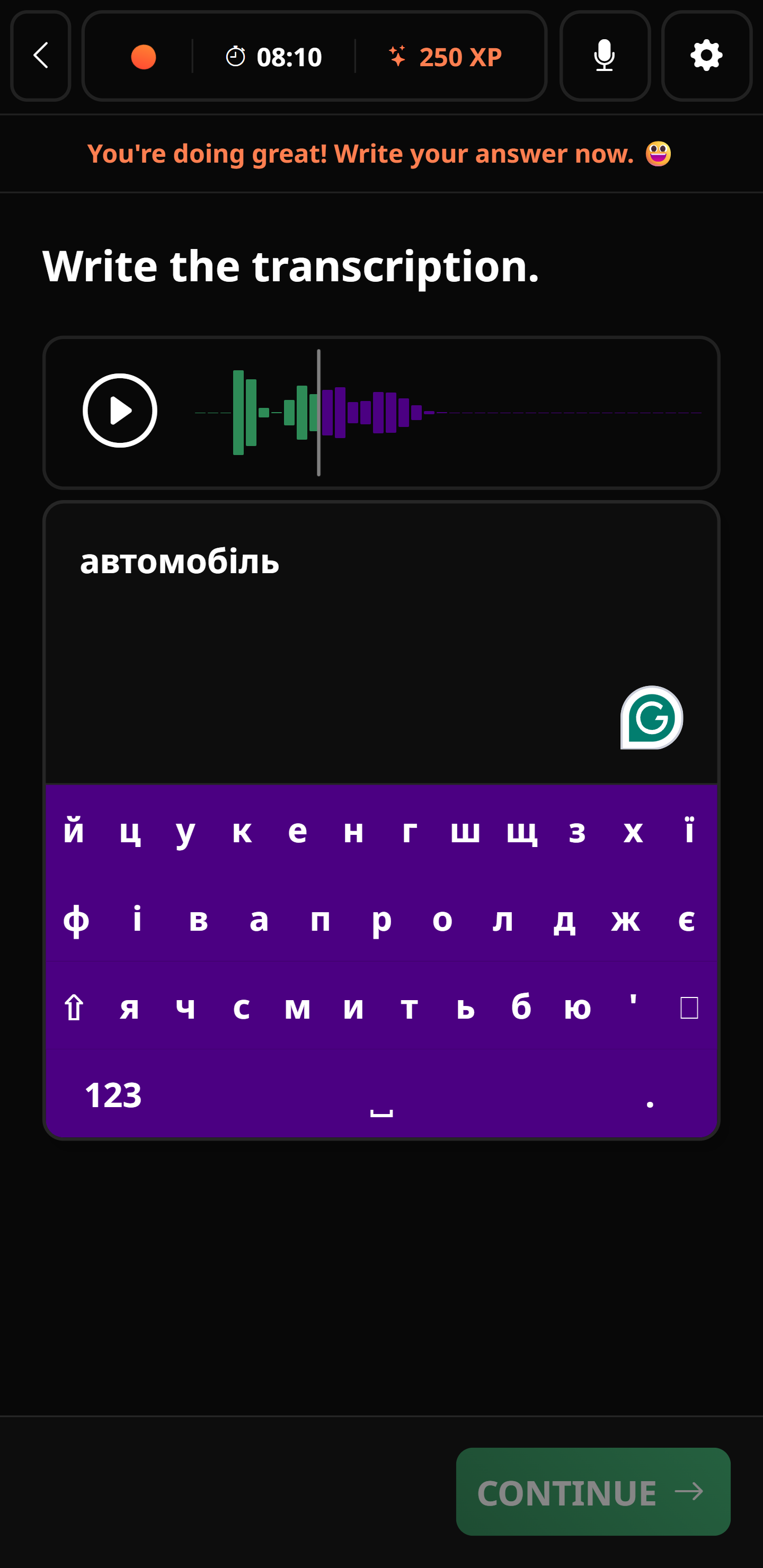
Univext utilizes an advanced AI teacher named Umi. Umi is available 24/7 to simulate real-world business scenarios.
- Job Interviews: Ask Umi to act as a hiring manager and grill you on your resume in French.
- Client Calls: Roleplay a difficult negotiation where Umi acts as a dissatisfied client.
- Email Dictation: Practice dictating professional emails and get instant corrections on your grammar and tone.
If you are specifically an American learner struggling with the cultural gap, read our analysis on the Best Apps to Learn French for Americans. Also, see how AI is revolutionizing language acquisition in our article on the 5 Best AI Apps to Learn French.
Comparison: Univext vs. Traditional Courses
Important
Start Your Journey Today: You can try Univext completely free for 14 days. We recommend practicing just 30 minutes a day to see significant improvement in your business fluency within weeks.
Become bilingual in 30 days with Univext!
Start a lesson with our teacher for free and become bilingual like our 100,000 students!
Frequently Asked Questions
How long does it take to learn business French?
If you already have a basic conversational level (B1), you can become comfortable with business French in 3 to 6 months of consistent practice. If you are a complete beginner, it may take 12-18 months to reach professional fluency.
Can I learn business French without knowing any French?
It is difficult. Business French relies on standard French grammar. It is recommended to reach an A2/B1 level in general French before focusing exclusively on business terminology. However, with Univext, you can learn both simultaneously by setting business-oriented scenarios from the start.
What level of French do I need for business?
Generally, a B2 level (Upper Intermediate) is considered the minimum for working independently in a French-speaking environment. This allows you to understand complex arguments and express yourself clearly.
Is business French different from regular French?
Yes. The grammar is the same, but the vocabulary is much more specific, and the register is significantly more formal. You would never use street slang or "verlan" in a business meeting.
Conclusion
Mastering Business French is a strategic investment in your career. It opens doors to the 7th largest economy in the world and the rapidly growing markets of Francophone Africa. From knowing the difference between "tu" and "vous" to nailing the perfect email sign-off, these skills demonstrate professionalism and cultural respect.
Don't let language barriers limit your professional growth. Whether you need to negotiate a contract, lead a team, or simply network effectively, the right vocabulary and etiquette are your best tools.