



🇷🇺 Why the TORFL (ТРКИ) Exam Matters in 2026
If you're serious about proving your Russian language skills, the TORFL (Test of Russian as a Foreign Language), known in Russian as ТРКИ (Тест по русскому языку как иностранному), is the internationally recognized standard. This official certification, administered by Russian universities under the Ministry of Education, is your gateway to opportunities across the Russian-speaking world.
Whether you need Russian certification for university admission in Russia, employment at Russian companies, immigration purposes, or simply want official recognition of your language abilities, passing TORFL opens doors that remain open throughout your career.
But here's the reality: traditional preparation methods—textbooks, classroom courses, occasional conversation practice—often fall short. The TORFL exam tests real-world communication skills, not just grammar knowledge. You need to speak naturally, understand various accents and speeds, and think in Russian under time pressure.
That's where AI-powered preparation transforms everything. In this guide, you'll discover exactly how to use AI tools like Univext's Umi to prepare efficiently and pass your TORFL exam with confidence.
🎯 Understanding the TORFL (ТРКИ) Exam Structure
Before diving into preparation strategies, let's break down what you're facing:
TORFL Levels
What's Required for Russian University Admission?
- TORFL-I is the minimum for most undergraduate programs
- TORFL-II is required for graduate studies and many competitive programs
- Some programs in Russian philology or journalism require TORFL-III
Exam Sections
Each TORFL level tests five skills (called "subtests"):
- Lexical-Grammatical Test (Лексика. Грамматика) - Grammar and vocabulary in context
- Reading (Чтение) - Comprehension of various text types
- Listening (Аудирование) - Understanding spoken Russian at various speeds
- Writing (Письмо) - Producing written texts appropriate to level
- Speaking (Говорение) - Oral communication and interaction
You must pass ALL five subtests to receive the certificate. If you fail one or two subtests, you can retake only those sections within the validity period.
Become bilingual in 30 days with Univext!
Start a lesson with our teacher for free and become bilingual like our 100,000 students!
🚀 Why AI is a Game-Changer for TORFL Preparation
Traditional exam prep has significant limitations for Russian learners:
AI tutoring solves these problems:





Join more than 100,000 students learning on Univext
📚 How to Use Univext's Umi for TORFL Prep
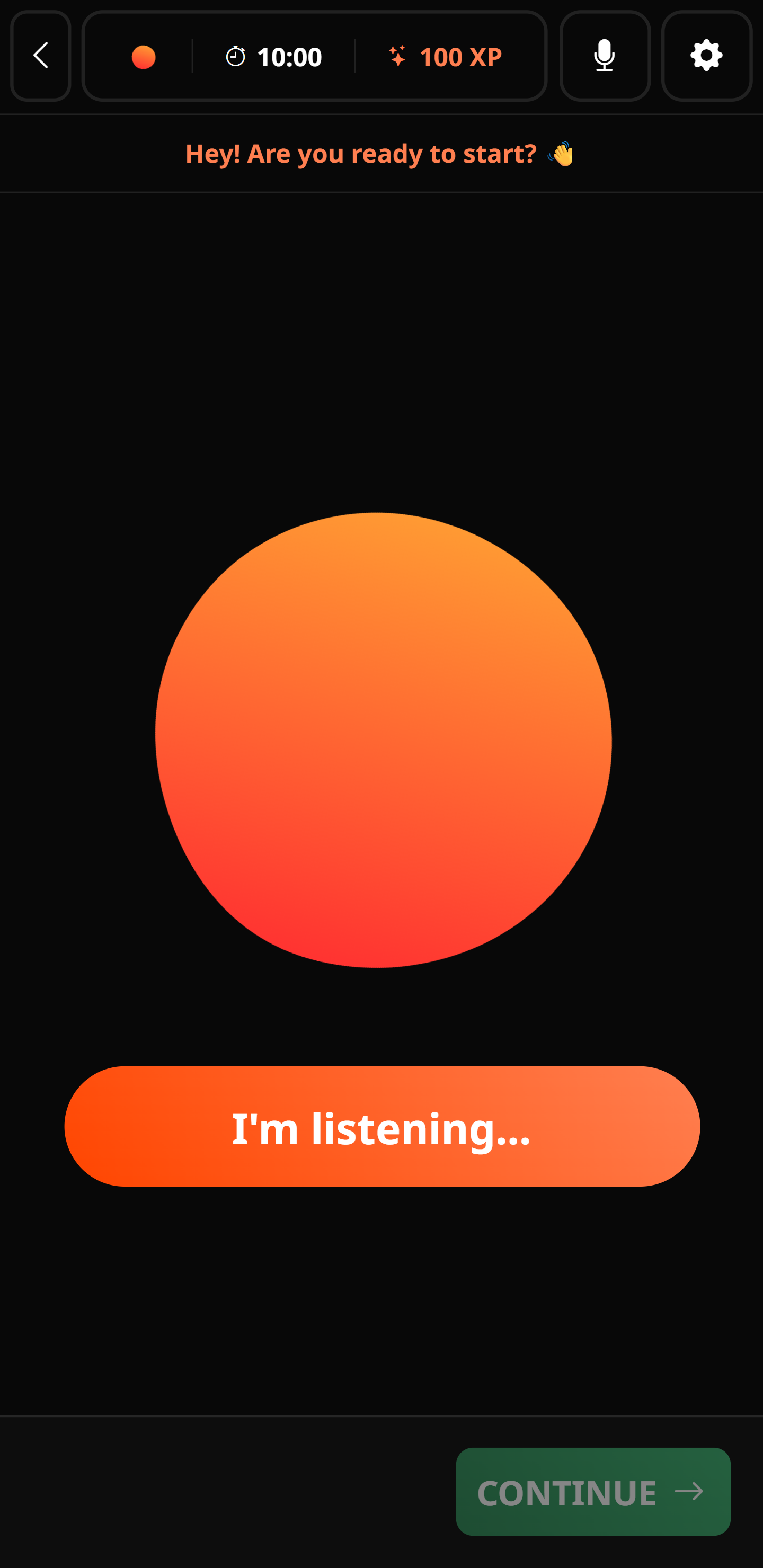
Univext features Umi, an AI teacher designed specifically for language learners. Unlike generic chatbots, Umi is built to teach—correcting your mistakes, explaining grammar, and adapting to your level.
Here's how to use Umi strategically for each exam section:
For the Speaking Test (Говорение)
The speaking section is often the most challenging for learners. Depending on your target level, you'll face:
TORFL-I Speaking Tasks:
- Introduce yourself and discuss personal information
- Participate in dialogues about everyday situations
- Express opinions on familiar topics
TORFL-II Speaking Tasks:
- Discuss abstract topics with arguments
- Handle professional and academic discussions
- Respond to unexpected questions and scenarios
With Umi, you can:
- Practice introducing yourself fluently until it's automatic
- Role-play real scenarios: registering at a university, visiting a doctor, handling administrative situations
- Discuss current events and defend opinions
- Get instant feedback on grammar, case usage, and vocabulary
Example session for TORFL-I:
You: "Umi, давай потренируемся для ТРКИ. Спроси меня о моей семье." Umi: "Конечно! Расскажите, пожалуйста, о вашей семье. Сколько человек в вашей семье? Чем занимаются ваши родители?"
For Listening (Аудирование)
The TORFL listening section tests your ability to understand spoken Russian at various speeds and contexts. Umi helps by:
- Exposing you to natural Russian speech patterns through conversation
- Varying complexity so you become comfortable with different contexts
- Using authentic vocabulary and expressions you'll hear in the exam
Practice tip: Have Umi explain topics in Russian, then ask detailed follow-up questions. This trains you to extract specific information from spoken Russian—exactly what the exam requires.
For Reading (Чтение)
While Umi is primarily a speaking tool, you can use it to:
- Discuss texts in Russian after reading them
- Ask questions about vocabulary or grammar you encounter
- Practice summarizing what you've read (excellent for TORFL-II and above)
For the Grammar/Vocabulary Test (Лексика. Грамматика)
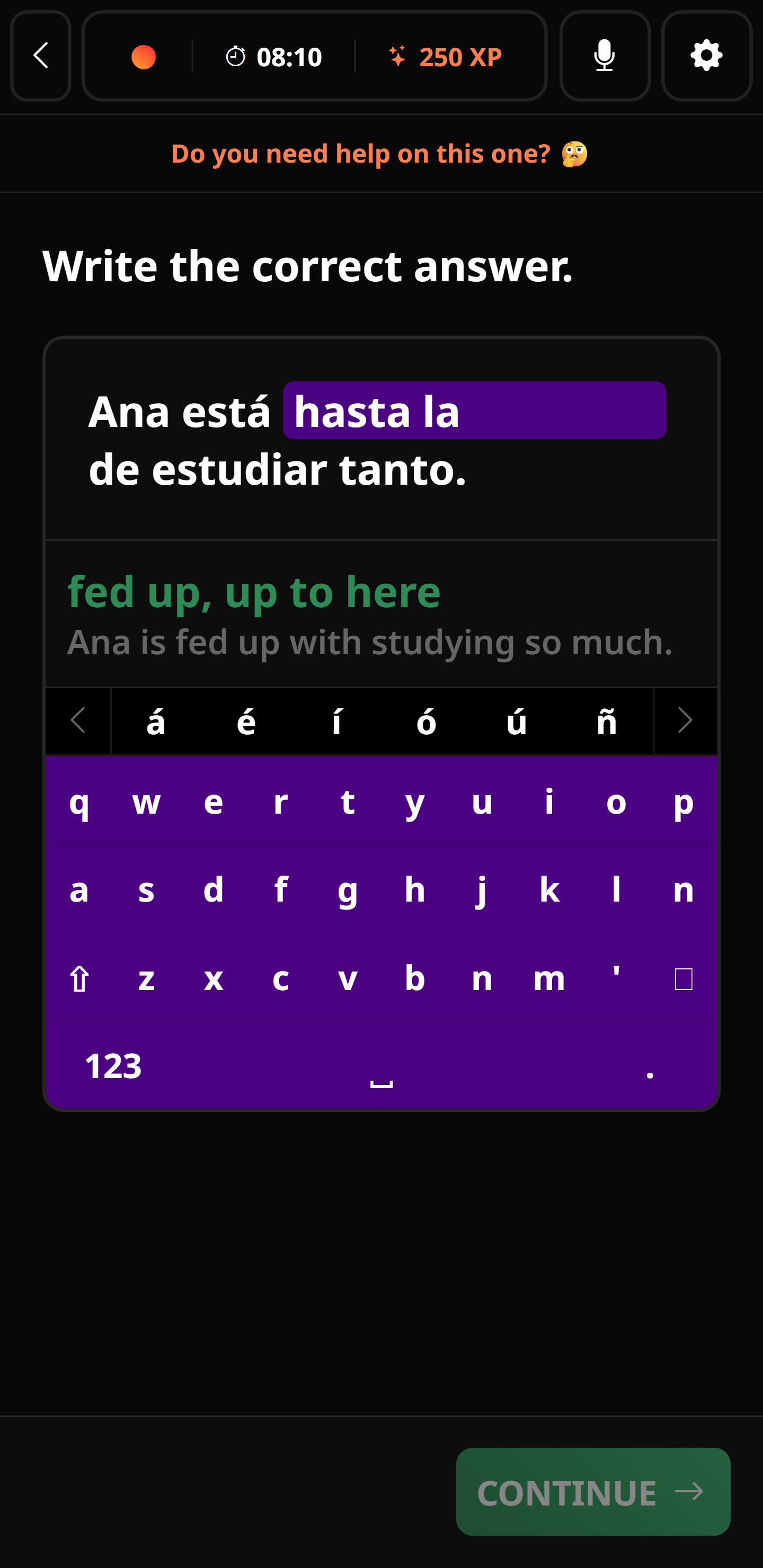
Russian grammar is notoriously complex—six cases, aspects, verbs of motion. Umi helps by:
- Correcting your case usage in real-time during conversation
- Explaining why a correction was made
- Providing natural contexts where specific grammar patterns appear
Example: If you say "Я иду в университет" when you should use "Я хожу в университет" (habitual action), Umi will explain the difference between determinate and indeterminate verbs of motion.
For Writing (Письмо)
Practice by:
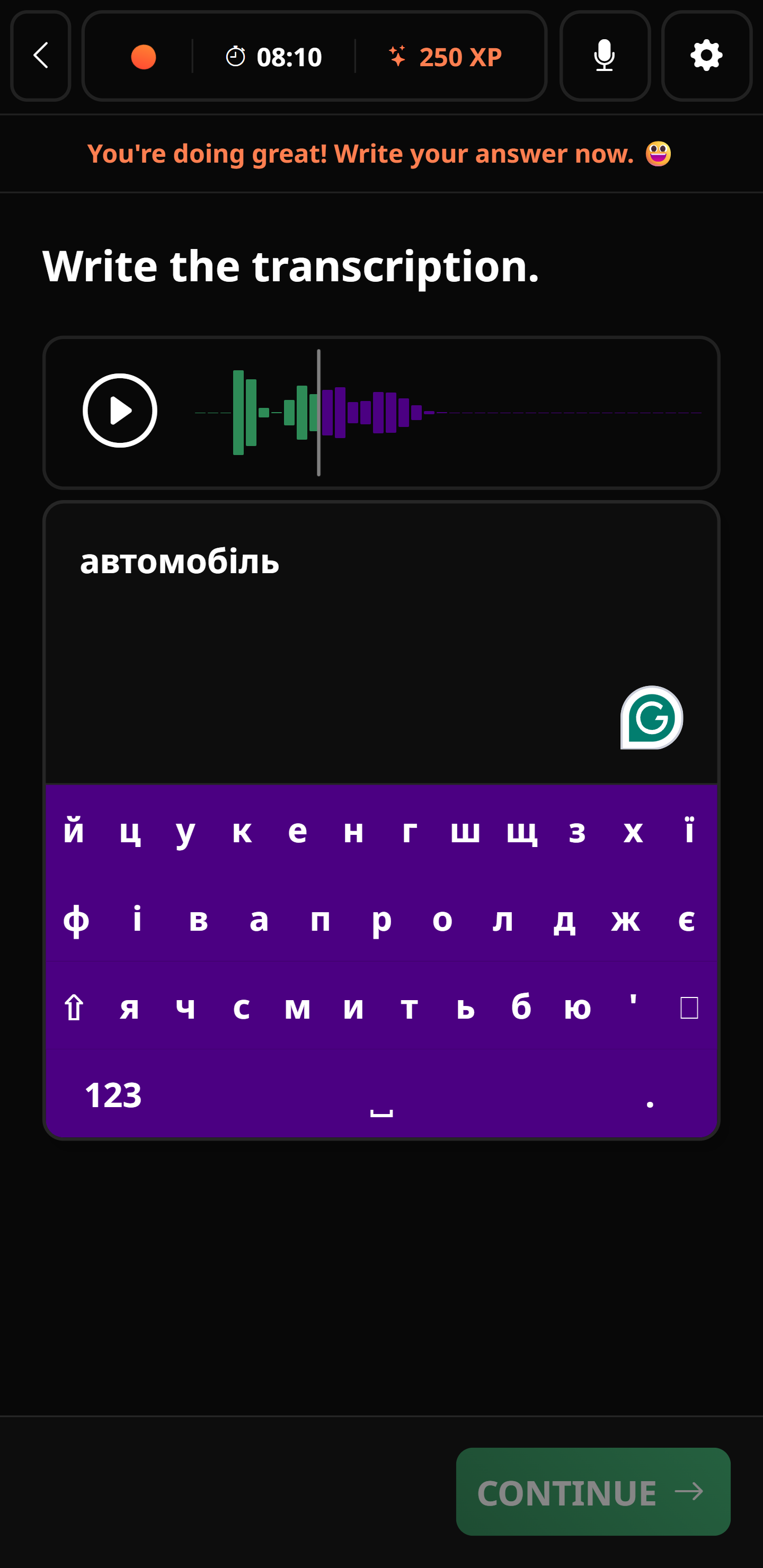
- Dictating your responses to Umi first, then writing them
- Asking Umi to correct your written Russian (paste your text and request feedback)
- Learning formal register required for official letters and applications
📊 TORFL Prep Timeline: A Strategic Approach
Here's a realistic preparation timeline using AI-powered learning:
3-6 Months Before the Exam
Daily Practice Routine (30 minutes)
- 5 minutes: Warm-up conversation with Umi in Russian
- 15 minutes: Targeted practice (role-plays, discussions, interview prep)
- 10 minutes: Review corrections and note problem areas
Consistency beats intensity. Daily 30-minute sessions with Univext will prepare you better than occasional marathon study sessions.
Become bilingual in 30 days with Univext!
Start a lesson with our teacher for free and become bilingual like our 100,000 students!
💡 Specific Tips for Each TORFL Level
Elementary Levels (ТЭУ/ТБУ): Foundation Building
At these levels, master:
- Basic introductions and personal information
- Everyday situations (shopping, directions, transport)
- Present tense and simple past tense
Umi strategy: Focus on repetition. Practice the same scenarios until they're automatic. Don't advance until basics are solid.
TORFL-I (ТРКИ-I): The University Entry Level
TORFL-I is required for Russian university admission. You must:
- Handle everyday professional and social situations
- Express opinions with basic justification
- Understand the main points of clear standard speech
Umi strategy: Practice extended conversations. Tell Umi about your plans, discuss your studies, explain your opinions. Pay special attention to case usage—this is where most learners lose points.
TORFL-II (ТРКИ-II): Professional Proficiency
TORFL-II demonstrates professional-level Russian. You need:
- Complex argumentation skills
- Understanding of implicit meaning and nuance
- Spontaneous, fluent interaction
Umi strategy: Debate with Umi on complex topics. Practice handling unexpected questions. Work on producing longer, well-structured responses.
TORFL-III and IV: Expert Levels
These levels require near-native command:
- Understand unstated cultural and linguistic implications
- Produce sophisticated, nuanced discourse
- Handle any professional or academic situation
Umi strategy: Have Umi challenge you with complex discussions. Focus on eliminating subtle errors and expanding your range of expression.
❓ Frequently Asked Questions
Q: Can AI really prepare me for the TORFL speaking exam?
Yes—and for Russian specifically, AI practice is invaluable. The TORFL speaking exam tests your ability to communicate naturally under pressure. With AI, you get unlimited practice without judgment or scheduling constraints. Many successful candidates report that AI practice significantly increased their confidence and fluency.
Q: Is Univext's Umi better than ChatGPT for TORFL prep?
For language learning, yes. Key differences:
- Umi proactively corrects your Russian (ChatGPT often ignores errors)
- Umi teaches rather than just chats
- Umi understands Russian grammar deeply and can explain case usage, aspects, and other tricky areas
Q: How long should I prepare for TORFL?
It depends on your starting level and target exam:
- Moving up one TORFL level typically takes 200-300 hours of study
- Russian is considered a Category IV language for English speakers (harder than Spanish or French)
- Plan for 4-6 months of consistent daily practice
Q: What's the pass rate for TORFL?
Pass rates vary by level and testing center, but generally:
- Elementary levels: 80-90% pass rate
- TORFL-I: 60-70% pass rate
- TORFL-II and above: 40-60% pass rate
The speaking and listening sections have the lowest pass rates—exactly where AI practice helps most.
Q: Where can I take the TORFL exam?
TORFL is administered at authorized testing centers worldwide, including:
- Russian universities (primary testing centers)
- Cultural centers and consulates
- Partner universities in many countries
Join more than 100,000 students learning on Univext
✅ Start Your TORFL Preparation Today
The TORFL exam rewards consistent practice and natural communication skills—exactly what AI-powered learning delivers. With Univext's Umi, you get:
- ✅ Unlimited Russian speaking practice any time you want
- ✅ Instant corrections on grammar, cases, and vocabulary
- ✅ Exam-relevant scenarios tailored to your target level
- ✅ Affordable preparation compared to human tutors
Ready to pass your Russian exam? Start practicing with Univext today with a 14-day free trial (30 minutes per day). Experience how AI-powered language learning can transform your exam preparation.
👉 Start your free trial at Univext
TORFL (ТРКИ) is an official certification administered by authorized Russian educational institutions. This guide provides preparation advice based on publicly available exam information. Univext is not affiliated with the Russian Ministry of Education or any official testing authority.